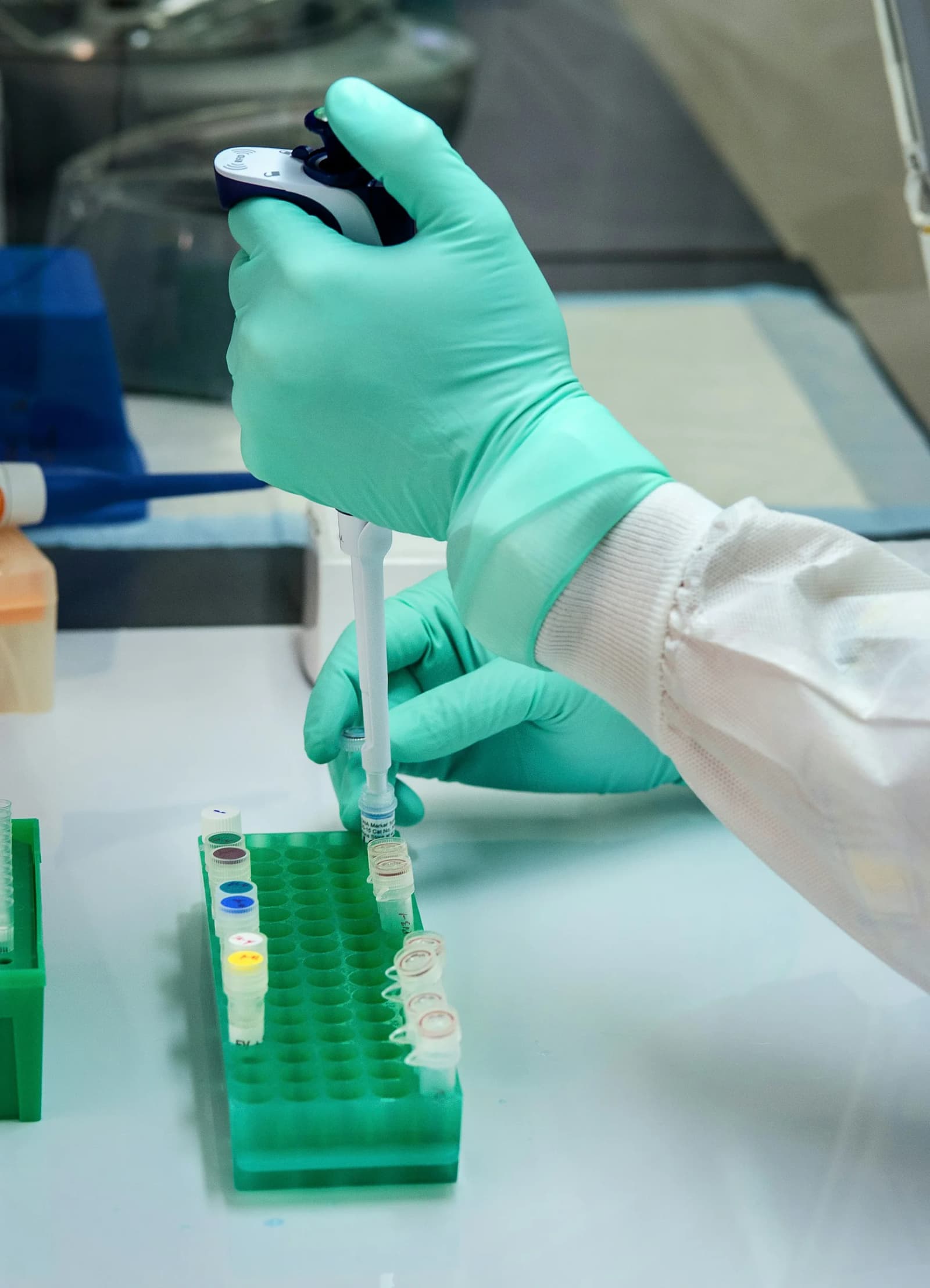
Exposure to chemicals that interfere with the body's hormone system can begin before a child is born, and the range of harm they are linked to is wider than was previously understood, according to a new report from the UN Environment Programme (UNEP) and the World Health Organization (WHO). The findings were reported by UN News on Tuesday, 17 November.
The report, titled The State of the Science on Endocrine-Disrupting Chemicals 2026, is the first major global update on the subject since 2012. It was launched at the first International Conference of the Global Framework on Chemicals, which is being held in Geneva until 20 November.
What the report found
Endocrine-disrupting chemicals, often shortened to EDCs, are substances that can interfere with the way hormones work. According to UN News, the report says these chemicals have been detected in human blood, breast milk and umbilical cord blood. Exposure early in life can have lasting effects on brain development, growth and reproductive health, it says.
Compared with the 2012 assessment, the new report finds stronger evidence linking EDCs to effects on:
- fertility
- brain development
- thyroid function and hormone regulation
- metabolism
- immunity
- cardiovascular health
The harm is not limited to people. In fish, birds, amphibians and mammals, exposure has been linked to impaired reproduction, development and behaviour, the report says.
"These effects can be long-lasting and, in some cases, irreversible," Sheila Aggarwal-Khan, Director of UNEP's Industry and Economy Division, was quoted as saying by UN News.
Most chemicals have never been checked
One of the report's central concerns is how little is known. More than 350,000 chemicals and chemical mixtures are registered for production and use around the world, but only a small fraction have been evaluated for endocrine-disrupting properties, UN News said, citing the report.
The study also puts a price on the problem: it estimates that the global cost of diseases associated with EDCs could reach one per cent or more of global gross domestic product.
"Protecting health means preventing harmful exposures before they occur," said Bruce Gordon, acting Director of WHO's Department of Environment, Climate Change, One Health and Migration, according to UN News.
What is not yet clear
The UN News account does not name the specific chemicals or products the report singles out, and it does not give country-level figures, including for India. It also does not say what regulatory steps, if any, governments at the Geneva meeting are expected to agree on.
What happens next
The International Conference of the Global Framework on Chemicals continues in Geneva until 20 November, where delegates can take up the report's findings.