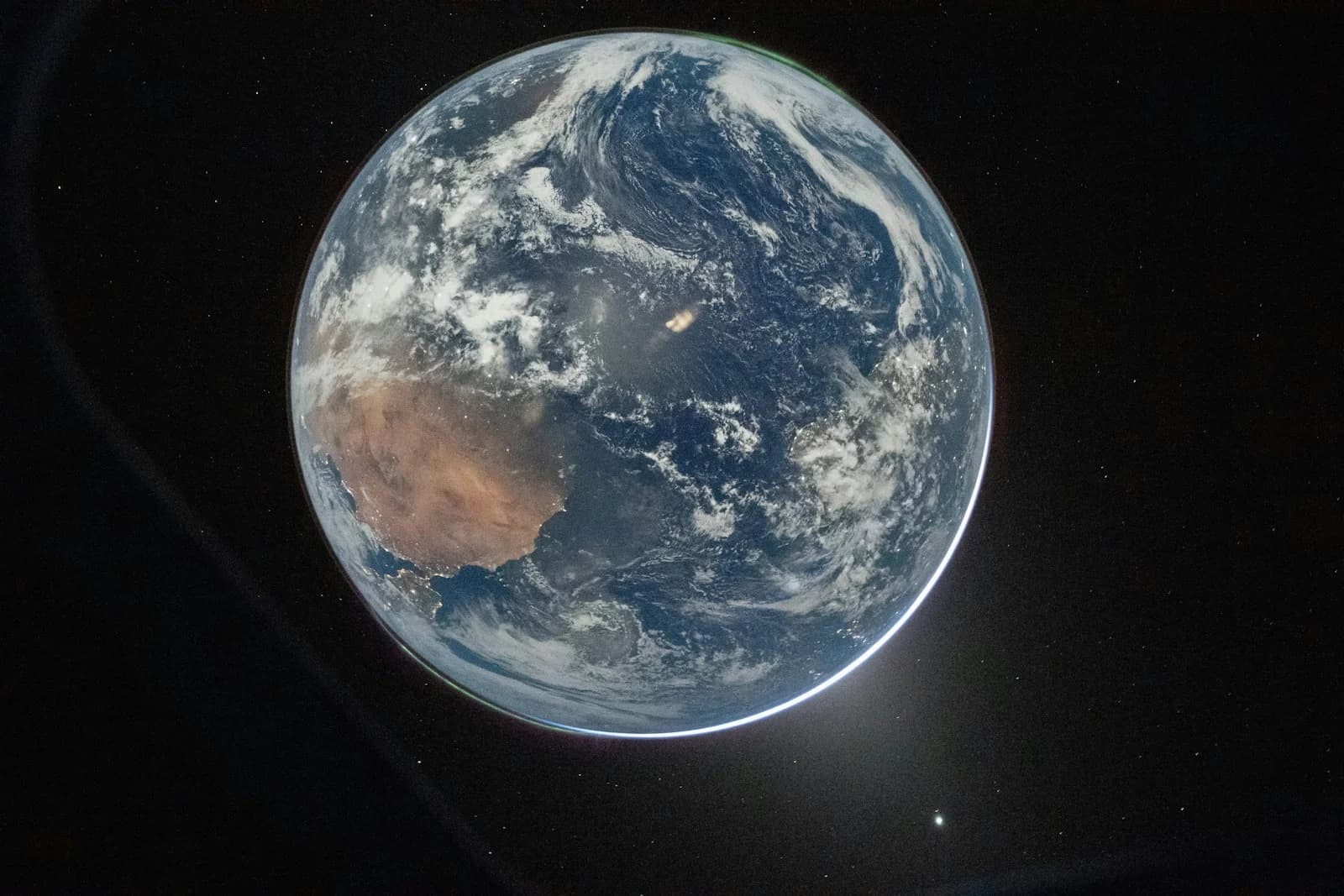
NASA's Terra satellite, which has watched the Earth's land, air and ice for 27 years, will stop collecting science data on 1 December, the US space agency said in a science news post published on 17 November 2026. The spacecraft will then be decommissioned, with all its systems to be powered off in January 2027.
Why the mission is ending
According to NASA, Terra was built for a six-year mission and has worked for more than four times that long. The agency said the satellite's systems are ageing and its orbit is drifting.
An earlier NASA feature on the mission explains the background. Terra was launched on 18 December 1999 from Vandenberg Air Force Base as the first flagship of NASA's Earth Observing System, and flew about 705 km above the Earth. NASA stopped adjusting its orbit in late 2020, and by late 2022 the time at which it crossed the equator had slipped from 10:30 am to 10:15 am. That feature also said the fuel needed to hold the orbit steady was running out and the battery was degrading, limiting the power available to the instruments.
The same feature had projected that Terra's science work would end in February 2027. The date announced on 17 November, 1 December 2026, is earlier than that projection. NASA's summary of the announcement does not go beyond ageing systems and orbital drift in explaining the timing.
What Terra did
NASA described Terra as a workhorse of the Earth Observing System. Its records cover changes in land use, the behaviour of wildfires, the movement of dust and smoke, the make-up of the atmosphere and ice cover. The agency said this information has fed into decisions on public safety, agriculture and water resources, and has had commercial and humanitarian uses.
The satellite carries five instruments:
- MODIS, from NASA's Goddard centre
- MISR, from NASA's Jet Propulsion Laboratory
- CERES, from NASA's Langley centre
- ASTER, a joint instrument with Japanese agencies
- MOPITT, built with the Canadian Space Agency and the University of Toronto
NASA said MOPITT and parts of CERES and ASTER had already been switched off to save power. The earlier feature recorded that MOPITT, which held the longest space-based record of carbon monoxide, was turned off on 9 April 2025. It also said Terra had completed more than 100,000 orbits and that its data had been cited in over 27,000 publications.
What happens next
After science operations stop on 1 December, the Terra team will use the fuel that remains to lower the satellite's orbit and will then shut down all systems in January 2027, NASA said.
The agency said Terra's data records will stay free and open to the public. NASA's earlier feature named two sister satellites, Aqua and Aura, as continuing similar work, with their own science operations projected to end in September 2027 and August 2028 respectively; those were described as projections, not fixed shutdown dates.