Exposure to endocrine-disrupting chemicals (EDCs) can begin before birth and trigger wider, longer-lasting effects on human and wildlife health than previously recognised, according to the 2026 State of the Science on Endocrine-Disrupting Chemicals report released by the United Nations Environment Programme (UNEP) and the World Health Organization (WHO).
Key Health Risks Identified in Blood and Cord Samples
Marking the first major global scientific update since the 2012 UNEP–WHO assessment, the report documents detections of hormone-interfering substances in human blood, breast milk and umbilical cord blood. Researchers report strengthened evidence connecting EDC exposure to disruptions in brain development, neurological function, fertility, thyroid regulation, metabolism, immunity and cardiovascular health, alongside emerging concerns over metabolic liver disease and kidney impacts.
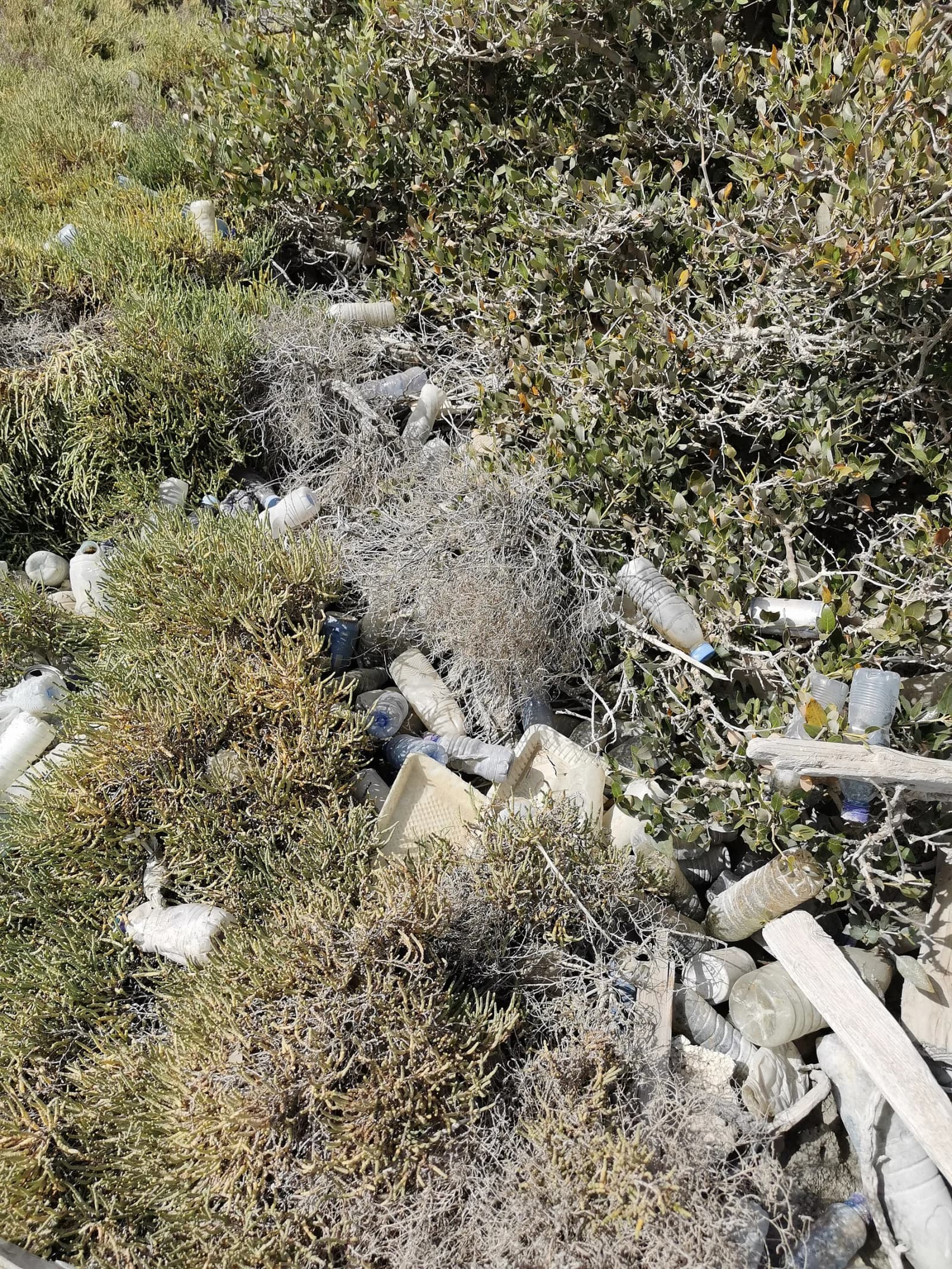
- Ubiquitous everyday sources: Major pathways include plastics used in food packaging, toys and medical devices, as well as pesticides, cosmetics, textiles and personal care goods, including known compounds such as bisphenol A, phthalates and PCBs.
- Unchecked chemical mixtures: More than 350,000 chemicals and chemical mixtures are registered globally, yet only a small fraction has been evaluated for endocrine-disrupting activity, while most regulations still assess one substance at a time rather than combined mixtures.
- Wildlife impact: Impaired reproduction, development and behaviour linked to EDCs have also been recorded across fish, birds, amphibians and mammals.
Global Action Framework and Safer Alternatives
Released alongside UNEP’s companion policy guide From Evidence to Action: Addressing Endocrine Disrupting Chemicals Across Sectors at the Global Framework on Chemicals meeting in Geneva (November 16–20, 2026), the findings urge proactive reform. UNEP Industry and Economy Division Director Sheila Aggarwal Khan emphasised that product manufacturers hold major leverage to disclose ingredients and substitute safer materials ahead of tighter rules, while WHO’s Bruce Gordon stressed protecting pregnant women, children and future generations through preventive chemical safety.