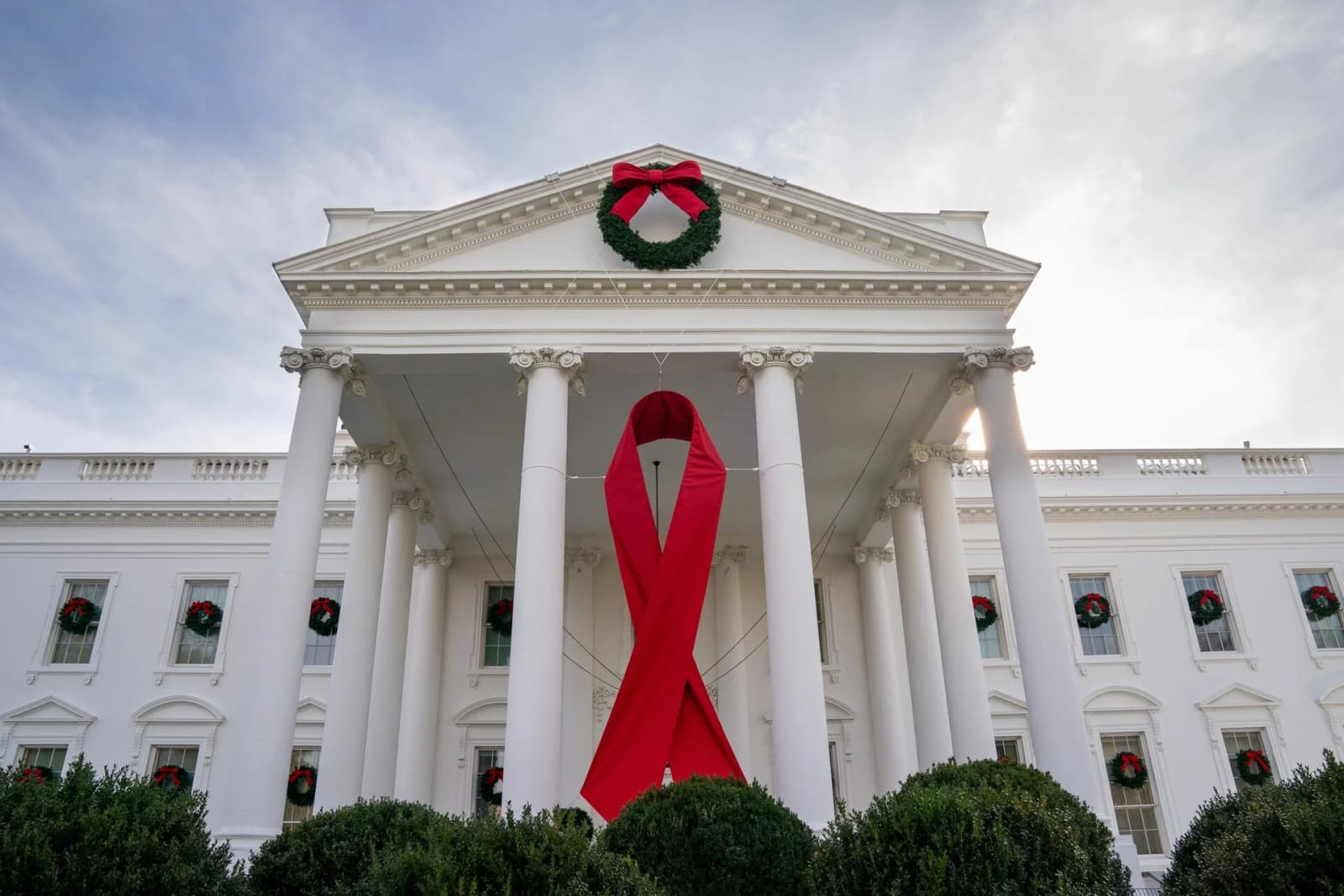
Marking its 30th anniversary ahead of World AIDS Day on December 1 under the theme "Ending AIDS starts with access," UNAIDS has warned that an 18% decline in external HIV financing during 2025—the steepest drop in nearly two decades—is undermining prevention programmes even as treatment coverage stands at 32.1 million people globally.
Funding Squeeze Hits Prevention and Community Services
UNAIDS data show that despite global treatment progress, 1.2 million people newly acquired HIV in 2025 and 570,000 died from AIDS-related causes. Roughly 10.6 million people living with HIV had unsuppressed viral loads, nearly 9 million remained off treatment, and only 55% of children living with HIV were receiving antiretroviral therapy.
A 2026 UNAIDS survey covering 79 community-led organizations across 47 countries documented a 50% fall in access to pre-exposure prophylaxis (PrEP), with steep reductions exceeding 50% in countries including Cameroon, Nigeria, and Zambia. Services tailored for men who have sex with men dropped 85%, programmes supporting sex workers fell 82%, and condom funding was cut by over 90% in several settings.
Access Gap vs New Long-Acting Tools
Public health gains remain unevenly distributed at a time when breakthrough preventive options are scaling up. Twice-yearly injectable lenacapavir reached more than 50,000 people across nine sub-Saharan African countries by June 2026, and access pricing is scheduled to fall to US$40 per person per year in lower-income countries starting in 2027—making sustained donor and domestic financing decisive to turn clinical innovation into equitable public health protection.