About two in three Indian adolescents have low vitamin B12 levels, and 56 per cent of women of reproductive age are anaemic, according to the national SAMPADA nutrition survey whose key findings the Indian Council of Medical Research (ICMR) released on 23 November 2026. The vitamin B12 figures have since drawn wide attention because they are far higher than the survey's anaemia rates in several groups.
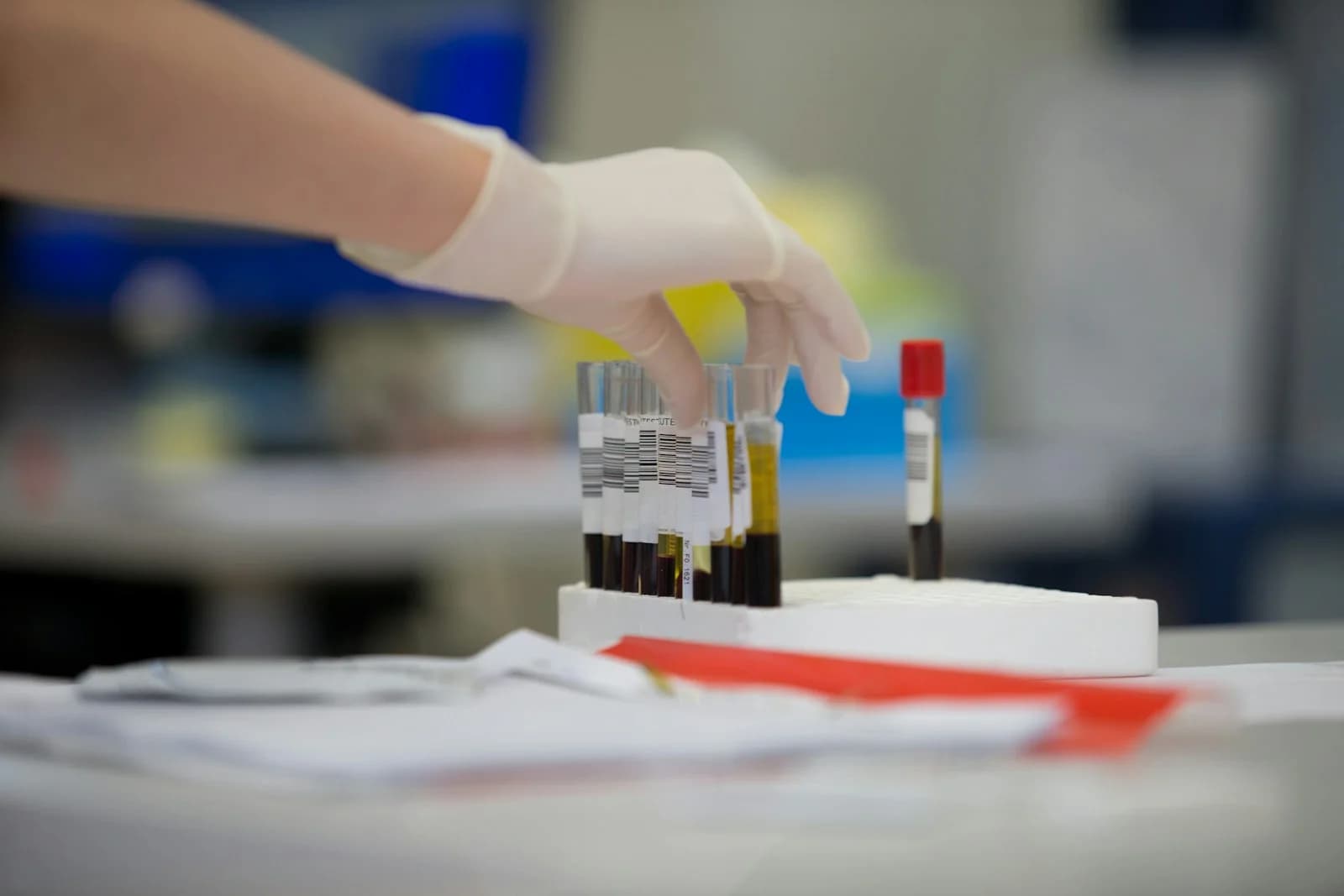
The Survey for Assessment of Markers of Population Health, Activity, Diet and Anthropometry (SAMPADA) 2023-25 was carried out by the ICMR-National Institute of Nutrition (ICMR-NIN), Hyderabad. It covered more than 2 lakh people from over 81,000 households in 183 districts across 35 states and Union Territories, and analysed more than 1.7 lakh blood samples, the Health Ministry said in its press release.
How common is vitamin B12 deficiency, according to SAMPADA?
Vitamin B12 deficiency, defined as a serum level below 203 pg/mL, was found in 66.1 per cent of adolescent boys and 65.4 per cent of adolescent girls aged 10 to 19, according to the ICMR-NIN fact sheet. The figures for other groups were:
- Pregnant women: 63.1 per cent
- Men aged 20 to 59: 60.4 per cent
- Women of reproductive age (15-49, not pregnant or lactating): 57.4 per cent
- Lactating women: 51.8 per cent
- Children aged 5 to 9: 46.5 per cent; children aged 12 to 59 months: 37.3 per cent
Folate deficiency was far less common, at under 11 per cent in every group listed.
What did the survey find on anaemia?
Anaemia, measured from venous blood using automated analysers and WHO's 2024 cut-offs, affected 55.9 per cent of women aged 15 to 49, 46.3 per cent of adolescent girls, 41.8 per cent of children aged 12 to 59 months, 22.8 per cent of adolescent boys and 22 per cent of men aged 20 to 59. The ministry called the overall picture "an encouraging shift", saying prevalence was lower than in earlier national surveys, that most cases were mild and that severe anaemia was below 2 per cent in most age groups.
Iron deficiency accounted for about half of anaemia cases among women, adolescent girls and children. The release said B12 and folate deficiency were about as common in people without anaemia as in those with it, "indicating limited contribution of these micronutrient deficiencies to anaemia in India".
What have officials and experts said?
Dr Rajiv Bahl, Secretary of the Department of Health Research and Director General of ICMR, said the profiling "provides an evidence base to strengthen the ongoing national efforts towards Anaemia Mukt Bharat". Dr Bharati Kulkarni, Director of ICMR-NIN, said the findings support "more targeted, population-specific and life-course approaches" and point to areas needing more research and surveillance.
Experts quoted by All India Radio News differed on how to read the B12 numbers. Dr Chittaranjan Yajnik, director of the Diabetes Unit at KEM Hospital, Pune, linked low maternal B12 to fat accumulation and insulin resistance in children and argued that programmes should look beyond iron and folic acid. Professor Anura Kurpad of St John's Medical College, Bengaluru, cautioned that "standard diagnostic cutoffs were formulated abroad", suggesting universal cut-offs may overstate clinical deficiency.
What happens next?
The ministry said people with moderate and severe anaemia need to be identified through testing, treated and tracked until recovery, as envisaged under Anaemia Mukt Bharat 2.0. The released material did not set out any plan to add routine B12 screening to national programmes.