This is a MapMyTimes opinion piece. It responds to the close of the 45th India International Trade Fair at Bharat Mandapam, New Delhi, on 27 November 2026, where Tamil Nadu won the top state pavilion award and the India Trade Promotion Organisation (ITPO) reported ticket sales well ahead of last year.
By most measures available so far, the fair did well. ITPO Chairman Jawed Ashraf said footfall and exhibitor business were both up on last year, News On AIR reported, and Millennium Post quoted him as saying ticket sales had reached about Rs 7.5 crore by 25 November, compared with about Rs 5.5 crore at last year's edition. More than 3,500 exhibitors took part, and the Hall of Inspiration hosted over 500 start-ups.
Why should a trade fair's success worry anyone?
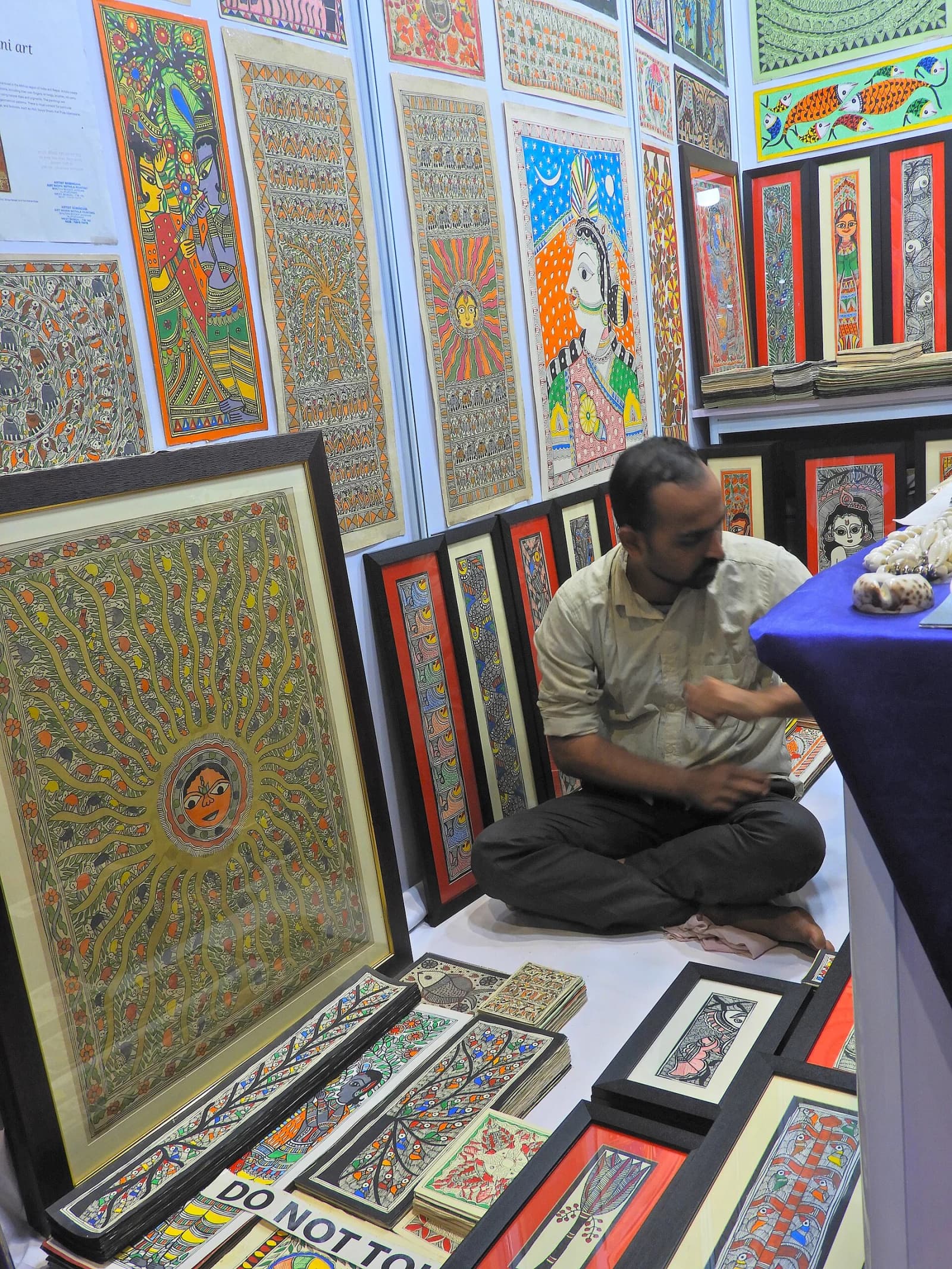
It should not worry anyone, but it should prompt a harder question: what happens to the weavers and craftspeople once the stalls are packed up? The headline numbers belong to the organiser. The numbers that matter most to a self-help group from Imphal or a Pattachitra painter from Odisha are their own, and those are rarely published.
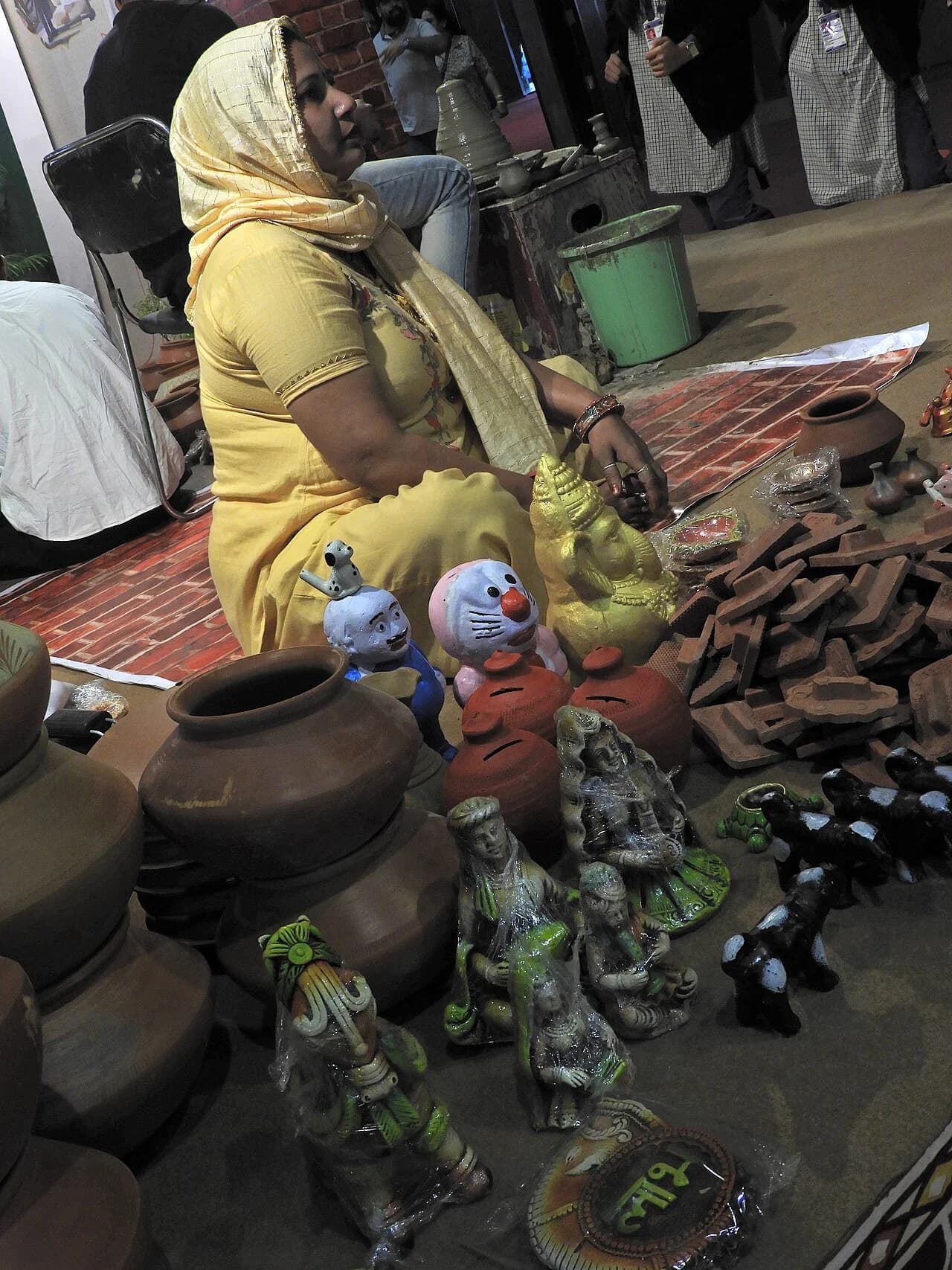
Manipur's pavilion is a useful exception. It reported cumulative sales of Rs 26,99,660 by noon on the final day, according to the Imphal Times, selling handlooms, silk weaves, kouna reed crafts and chak-hao black rice. That is a meaningful sum for artisans and self-help groups, earned over a fortnight. But it is also a reminder that for many small producers, the capital's biggest consumer fair is a short, intense season rather than a lasting market.
The strongest case against changing anything
There is a fair argument that the IITF is doing exactly what it is meant to do. It is a showcase, not a permanent shop. States and ministries use it to display "Vikas aur Virasat", the theme of this year's edition, and to make contacts. Odisha's pavilion, which won a silver medal, framed itself as blending heritage with enterprise. Asking a 14-day fair to also solve artisans' year-round market access may be asking too much of one event, and other programmes exist for that purpose.
That argument deserves weight. Yet the fair has unusual reach: one Thursday alone brought around 86,000 visitors, according to Millennium Post. Very few platforms put a Dhokra craftsperson or a Kandhamal turmeric grower in front of that many urban buyers at once. Letting that attention evaporate on 28 November is a missed opportunity.
What could be done better?
Three modest steps would help without changing the fair's character:
- Publish pavilion-level outcomes. ITPO and state governments could release sales and enquiry figures for each state and craft cluster, as Manipur's pavilion did, so that it is clear who benefits and by how much.
- Carry buyers forward. Visitors who bought at a stall could be given a simple way to reorder from the same artisans later, through state emporia or online channels the states already run.
- Reward impact, not only design. The awards honour pavilion design and thematic presentation. A category recognising the pavilion that delivered the most business for small producers would send a useful signal.
The 45th IITF showed that Delhi's appetite for regional crafts and foods is growing. The next step is to make sure the artisans who feed that appetite feel the benefit for the other 351 days of the year.
Photo source · Goutam1962, CC BY-SA 4.0