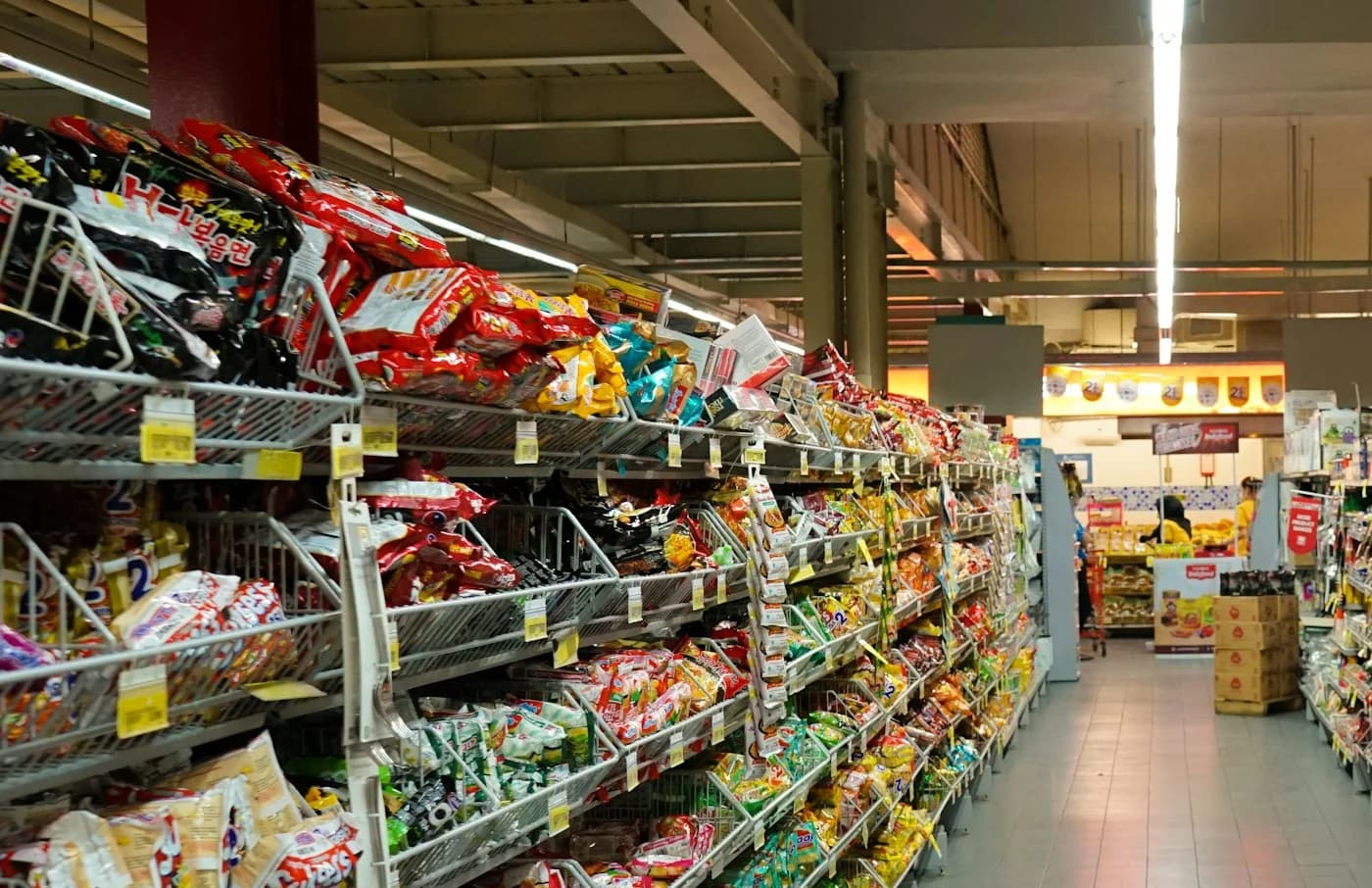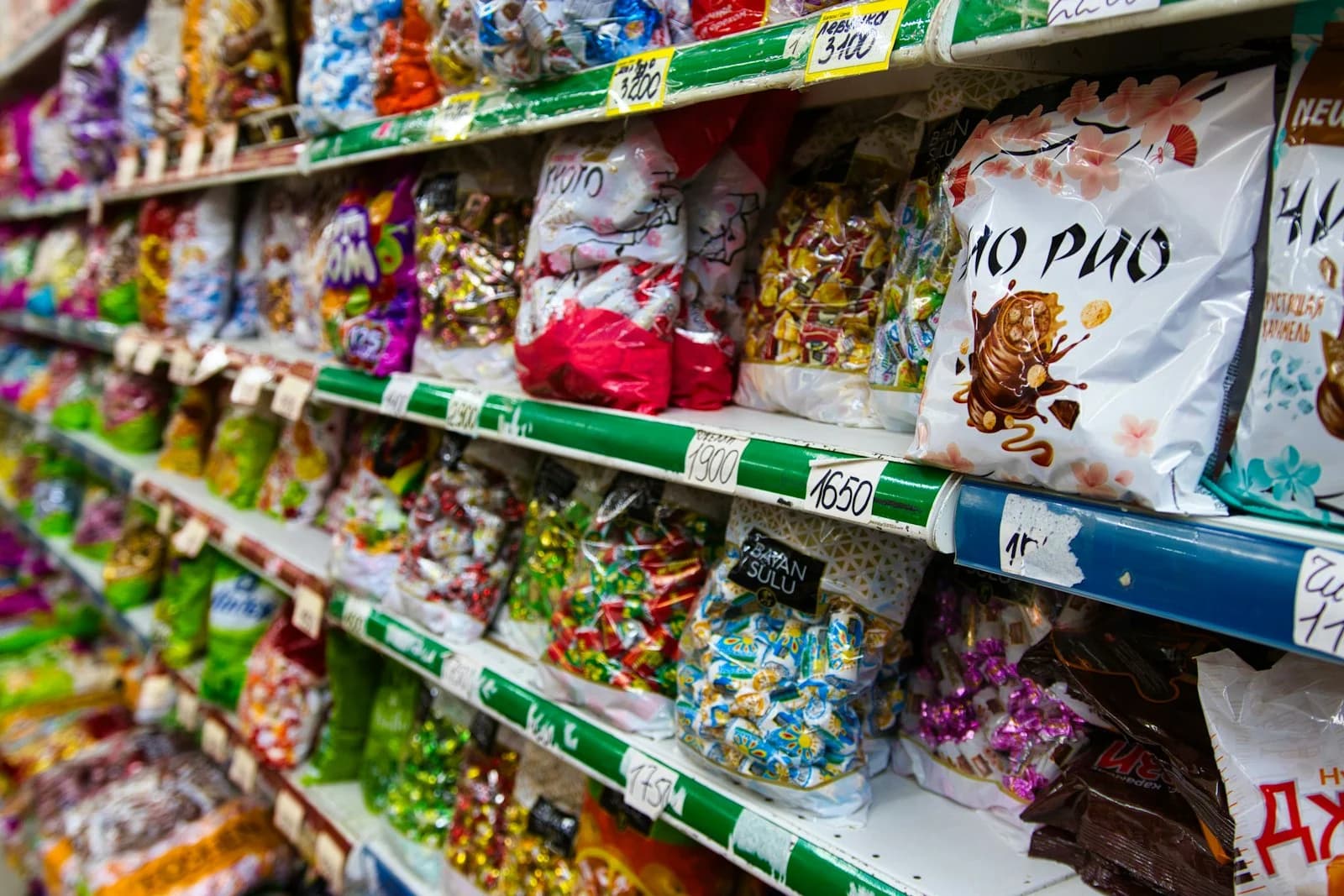
Two developments in the same week have put one question in front of Indian shoppers: which packaged foods count as "too high" in sugar, salt or fat? On 25 November 2026 the World Health Organization's South-East Asia Regional Office published a new nutrient profile model with numerical limits for 16 food categories. A day later, on 26 November, the Supreme Court of India told the Food Safety and Standards Authority of India (FSSAI) to bring in separate "High Fat", "High Sugar" and "High Salt" warnings on packets. This explainer sets out what the WHO model is, how it works and what it can and cannot tell you.
What is a nutrient profile model?
A nutrient profile model is a rulebook that classifies foods by what is in them, so that governments can decide which products a policy should cover. WHO's new model is "category specific": it sets separate limits for 16 groups of processed and packaged foods, and a product that goes over any one limit for its group does not pass. All limits are expressed per 100 g or 100 ml, so products can be compared regardless of pack or serving size.
The nutrients checked are total fat, saturated fat, total sugars, added sugars and sodium, plus an energy (calorie) cap for some snack-type categories. Protein, fibre, vitamins and minerals are not counted in a product's favour. Two rules apply to every food: no non-sugar sweeteners are allowed, and industrial trans fat is capped at 2 g per 100 g of total fat.
Why is it in the news?
It is in the news because WHO released it on 25 November 2026, replacing the region's 2017 model, and because the Supreme Court's labelling order a day later has made the choice of limits a live issue in India. According to our report on the Supreme Court ruling, a bench of Justices J.B. Pardiwala and K. Vinod Chandran directed FSSAI to treat total sugars and saturated fat, alongside salt, as nutrients of concern and to publish draft rules within four months. The court did not adopt the WHO model, and FSSAI has not said whether it will use it. For the basics of the WHO release, see our news report on the new South-East Asia model.
How were the limits worked out?
The limits are derived from WHO's dietary goals, such as keeping total fat at or below 30% of daily energy, saturated fat at 10%, free sugars under 10% and sodium under 2 g a day. The full WHO document explains that these goals were turned into per-100 g limits using a reference diet of 2,000 kcal a day, roughly the energy need of a moderately active 10–11-year-old.
For categories generally seen as discretionary, such as sweets, biscuits and chips, WHO assumed a reference snack of 230 kcal per 100 g. For composite ready meals it used a reference meal of 500 kcal per 100 g. For categories that mostly support a healthy diet, such as bread, cereals and noodles, it used the average energy of products actually on sale. The underlying data came from 1,870 top-selling packaged products collected by Euromonitor through store audits in India (July 2024) and Thailand (January 2025).
Which everyday foods are covered, and what are the limits?
The categories are written with the region's shelves in mind. Some examples from the threshold table, all per 100 g:
- Confectionery, which explicitly includes Indian sweets: no more than 8 g fat, 3 g saturated fat, 6 g total sugar and 230 kcal.
- Cakes, cookies and biscuits: 8 g fat, 3 g saturated fat, 6 g total sugar, 0.25 g sodium and 230 kcal.
- Bread, naan and rotis: 10 g fat, 3 g saturated fat, 7 g total sugar and 0.5 g sodium.
- Chips, namkeen and papadams: 8 g fat, 3 g saturated fat, no added sugar, 0.25 g sodium and 230 kcal.
- Milk-based sweets such as peda, burfee and gulab jamun: 8 g fat, 3 g saturated fat, 6 g total sugar and 0.25 g sodium.
- Noodles, including instant and fried noodles: 12 g fat, 4 g saturated fat and 0.4 g sodium.
- Pickles, jams and other processed fruits and vegetables: no added sugar and 0.2 g sodium.
How many products would fail?
Most of them. When WHO tested the final model on 1,781 products from the India and Thailand datasets that carried full nutrition information, 483 products, or 27%, passed and 1,298, or 73%, did not. WHO says it deliberately aimed for a level of strictness close to the 2017 model, under which about 28–30% of products passed.
The category results are stark. None of the 109 confectionery items, 69 fine bakery items or 67 curded dairy desserts in the test passed. Only one of 122 potato, cereal and starch-based snacks passed, and 4 of 104 sauces. Healthier staples fared better: about 71% of pasta and noodle products and about 48% of breads passed. These figures are for the pooled test datasets, not a survey of the whole Indian market.
How does it affect you?
For now, it does not change anything on the shelf directly, because the model is guidance and not law. WHO says governments can adopt it in full or adapt it, and lists uses such as restricting marketing of unhealthy foods to children, deciding which products may carry nutrition or health claims, designing taxes and subsidies, and setting standards for food served in schools, hospitals and government canteens. It also says the model can directly support warning-style front-of-pack labels.
Shoppers can use the same logic themselves: find the product's category, check the "per 100 g" column of the nutrition panel against the limits, and read the ingredient list for added sugar and sweeteners, which WHO notes are rarely stated in the nutrient table.
What is established, and what is still uncertain?
Established: the thresholds, categories and test results published by WHO on 25 November 2026, and the Supreme Court's 26 November direction to FSSAI on separate warnings and the use of total sugars and saturated fat.
Uncertain: which thresholds FSSAI will propose, whether they will be based on WHO's model or on Indian dietary guidelines, and which foods will be exempt. The model also has stated limits: it does not judge foods by how processed they are, apart from sweeteners and some processed meat, fish and produce; it does not cover fresh foods, alcohol, infant formula or supplements; and WHO acknowledges that the 2,000 kcal reference overstates the needs of children aged 5 to 10.
What happens next?
FSSAI has four months from the 26 November ruling to publish draft labelling amendments, followed by 60 days of public comment, and the case returns to the Supreme Court after ten weeks for a progress affidavit. Whether WHO's new yardstick shapes those draft limits is the key thing to watch.