The world is on track to exceed the Paris Agreement's 1.5°C temperature goal, with 2025 average global temperatures already around 1.4°C above pre-industrial levels, according to the UN Trade and Development (UNCTAD) Global Trade Update released in November 2026.
Economic Risks and Rising Clean-Energy Trade
After recording the 11 warmest years on record between 2015 and 2025, UNCTAD cited estimates warning that 3°C of warming could inflict losses equivalent to 10% of global GDP — rising to 17% of GDP in poorer equatorial countries — while a high-emissions trajectory could cut global output by roughly 40% by 2100.
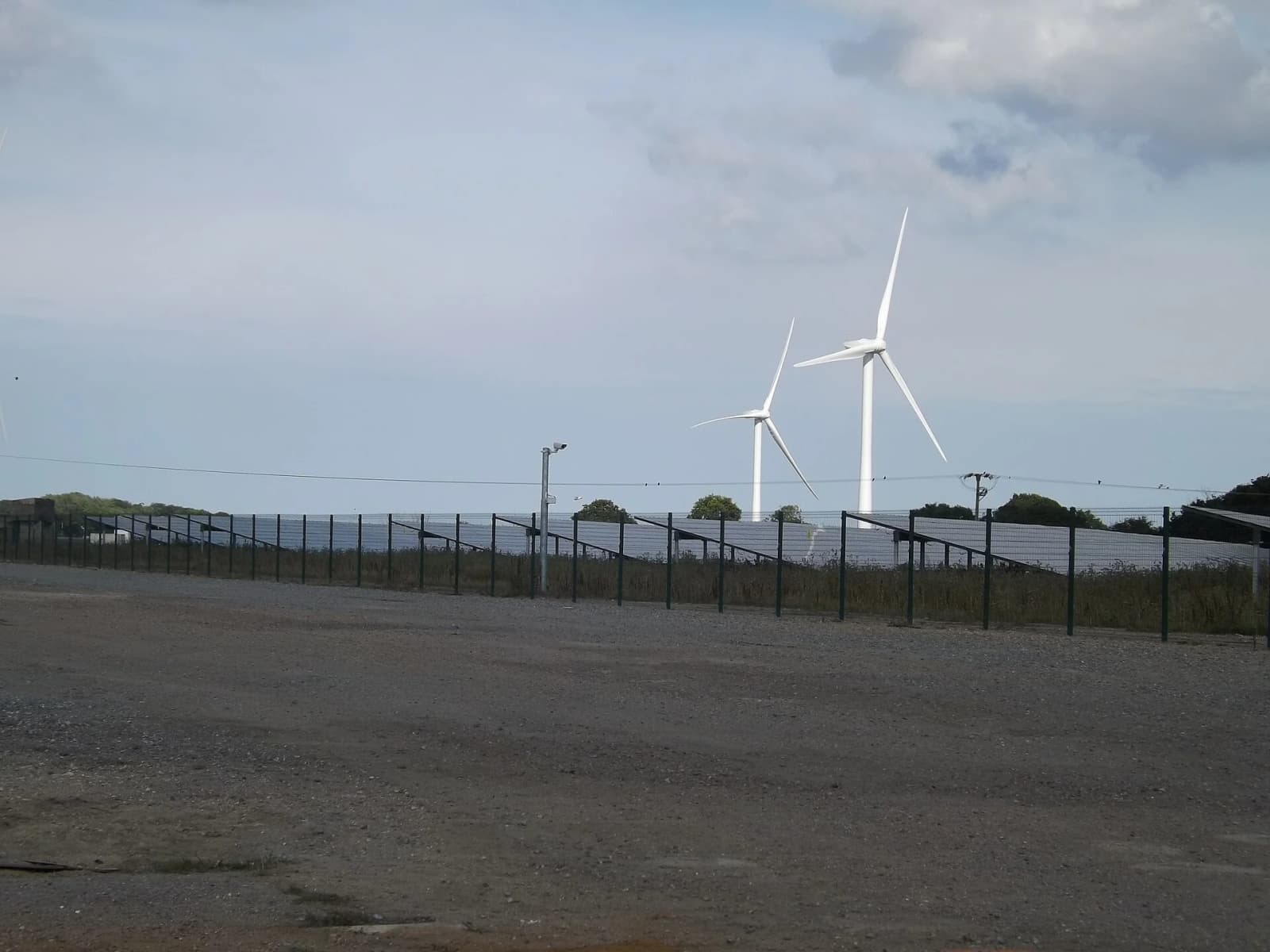
Against these risks, low-carbon industries are rapidly expanding. Global exports across solar and wind energy value chains surpassed $1.8 trillion in 2025, outpacing broader manufactured goods. UNCTAD also highlighted substantial developing-economy sustainable exports: $1.3 trillion in biodiversity-based goods in 2024, $1.2 trillion in ocean goods and services in 2025, and an estimated $204 billion in non-plastic substitutes in 2024.
Closing the Implementation Gap in Trade Pacts
Although climate-related clauses now appear in over half of trade agreements signed between 2016 and 2021 — up from 18% during 1990–2015 — UNCTAD found weak follow-through. Among 179 climate provisions identified across eight 2023–2025 pacts referencing the Paris Agreement, only 7% directly address cutting tariff and non-tariff barriers.
More than half of the 41 technology needs assessments reviewed identified water-harvesting and climate-resilient agriculture tools for adaptation alongside solar, hydropower, bioenergy, and low-carbon transport for mitigation. UNCTAD urged deeper international trade cooperation to cut technology barriers and help developing nations build local green value-chain capacity.