Canada's Remote Area Border Crossing (RABC) Program, which let pre-approved travellers enter the country at remote points along the US border without going to a staffed port of entry, closes on 1 December 2026. Existing permits stop being valid at 11:59 pm on 30 November 2026. From 1 December, travellers entering through remote parts of northern Ontario, or from the US Northwest Angle into southern Manitoba, must report to the Canada Border Services Agency (CBSA) in person at a port of entry or by calling from a designated telephone reporting site, according to the CBSA's programme page.
What is changing on 1 December?
RABC permit holders will no longer be able to rely on their permits to cross. The CBSA says anyone entering Canada through the former RABC areas must report each time they enter, either at a port of entry or at a designated telephone reporting site. The agency has stopped accepting new applications.
The areas covered by the programme, as listed in an August 2026 CBSA news release, are:
- the Northwest Angle area;
- Pigeon River through to and including Lake of the Woods;
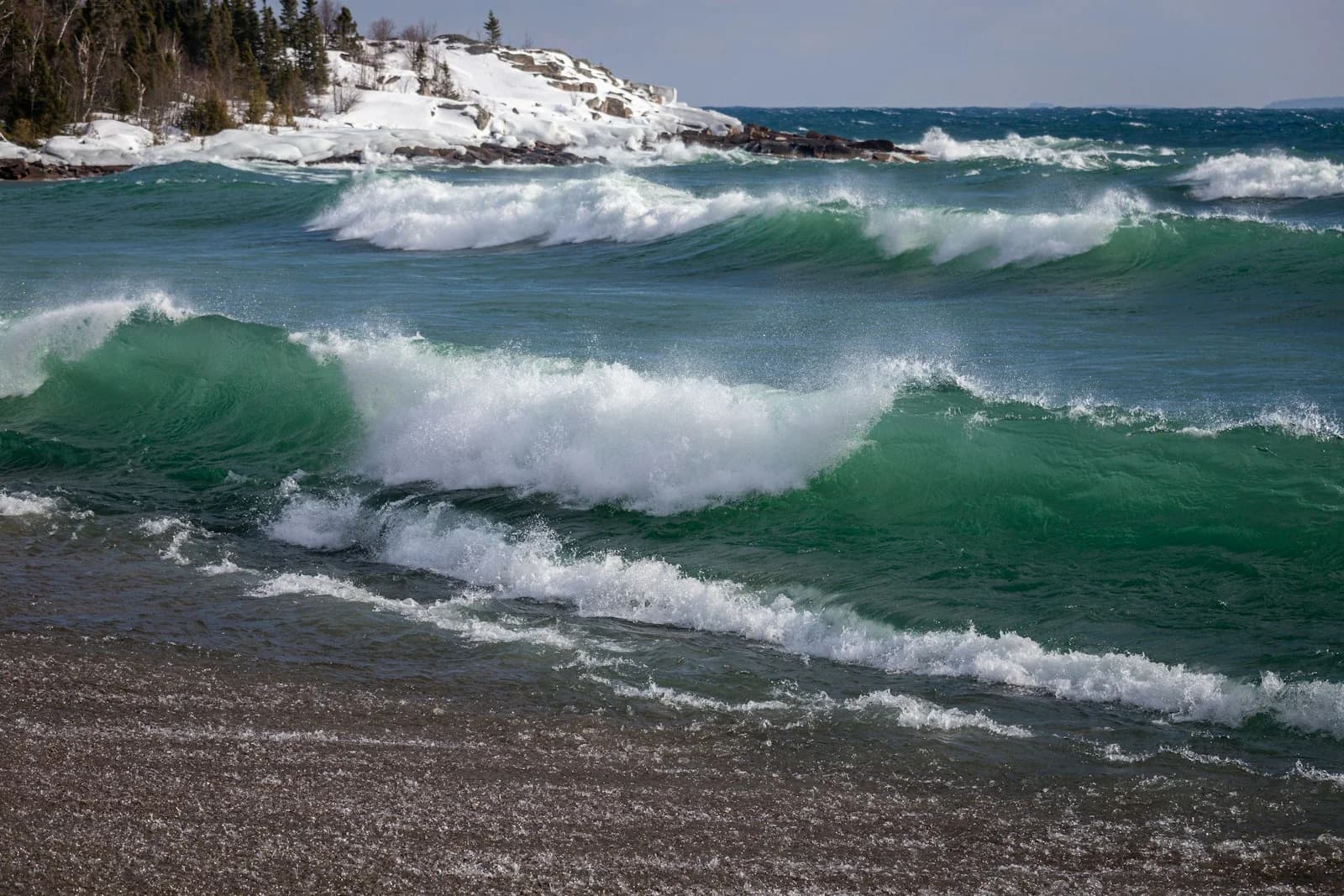
- the Canadian shore of Lake Superior;
- Sault Ste. Marie (upper lock system); and
- Cockburn Island.
Who is affected?
The CBSA says the programme has historically had about 11,000 members a year, roughly 90 percent of them American. CTV News/CP24 described the permit as a way for pre-approved travellers to enter Canada at remote crossing points with minimal processing.
Why is Canada ending the programme?
The CBSA says it regularly reviews its programmes and that telephone reporting will "further enhance border integrity". According to the agency, the method gives everyone the same level of security and compliance expectations, and matches the way travellers report to US Customs and Border Protection when they enter the United States in remote areas. Telephone reporting is already used across Canada for private boats, general aviation and other non-commercial travel.
A delayed shutdown
The closure was first announced in December 2025. CTV News/CP24 reported at the time that permits would expire on 13 September 2026, with telephone reporting starting the next day. In August 2026, the CBSA extended the permits to 30 November to give existing holders a smooth transition, setting the final closure for 1 December.
What happens if travellers do not report?
The CBSA warns that failing to report can lead to enforcement action, including monetary penalties, seizure of goods or vehicles and possible criminal charges under the Customs Act. Travellers with questions can call CBSA Border Information Services on 1-800-461-9999, according to the programme page.
What is confirmed and what is not
- Confirmed: the 1 December 2026 closure, the 30 November expiry of permits and the reporting requirement, as set out by the CBSA.
- Not clear: the exact locations of the new designated telephone reporting sites. In August, the CBSA said they would be decided in consultation with Indigenous communities, local businesses and law enforcement partners. Its programme page does not list them.
What happens next
From 1 December, all travellers using these remote northern Ontario and Manitoba border areas will need to report every entry to the CBSA. Former RABC permit holders should check the agency's guidance before crossing.