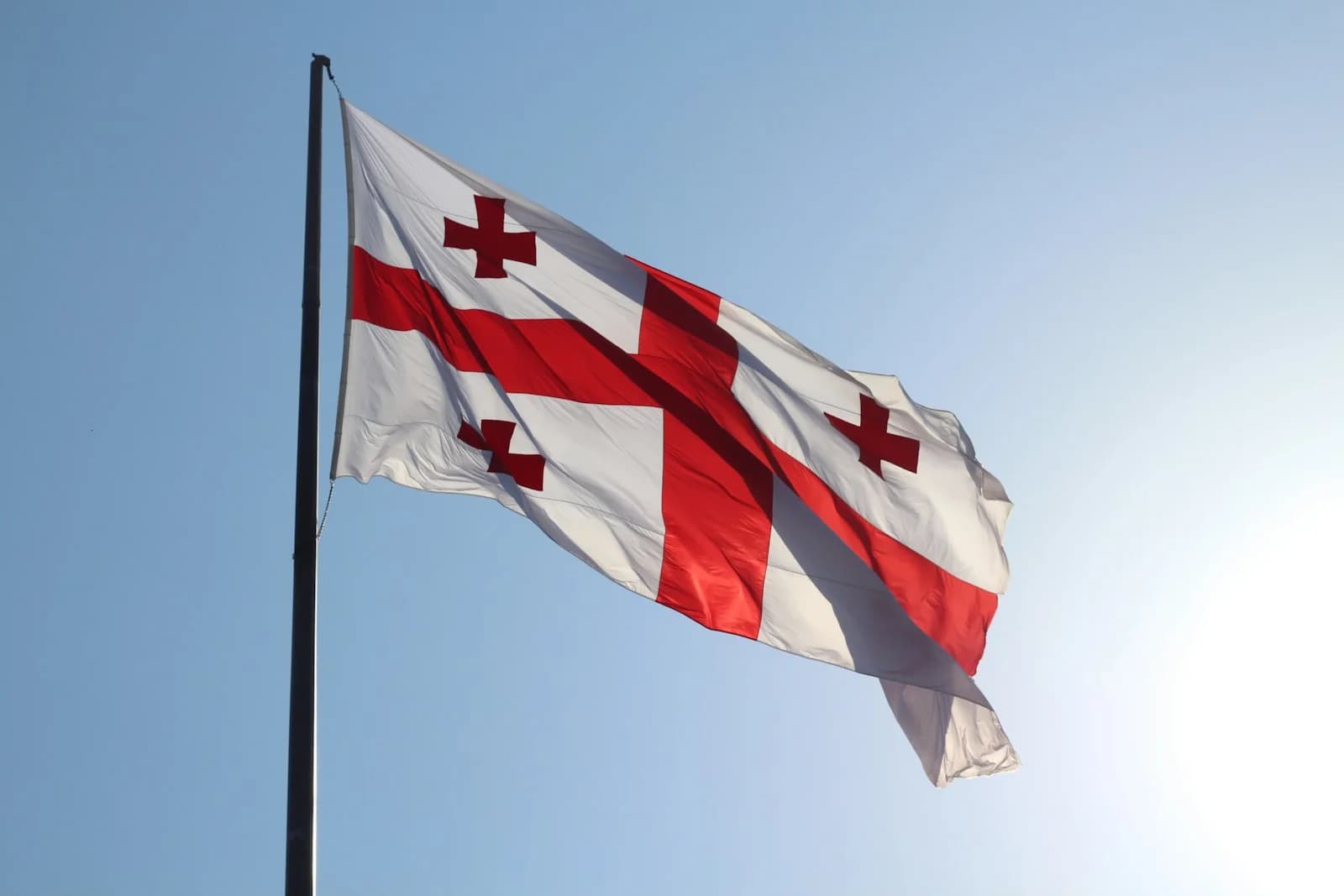
Tens of thousands of opposition supporters and pro-European activists rallied in Tbilisi, the capital of Georgia, on 28 November 2026. The rally marked two years since the government shelved talks on joining the European Union (EU), which set off near-daily street protests. According to an Agence France-Presse (AFP) reporter, demonstrators filled the city's main square, and Ukrainian agency UNN, citing Georgian outlet Interpressnews, reported that marchers moved in two columns towards Freedom Square, unfurling giant Georgian and EU flags.
Who organised the rally and what do protesters want?
The march was organised by pro-Europe activists and five opposition parties. In a statement issued before the rally, cited by AFP, the organisers accused the ruling Georgian Dream party of having "betrayed Georgia's European and Euro-Atlantic path".
Protesters are demanding fresh parliamentary elections and the release of jailed demonstrators. UNN reported that they also want repressive laws repealed and a return to a Euro-Atlantic course.
Speaking to AFP, 19-year-old student Giorgi Sartania said: "People hate this government." A 48-year-old musician, Natela Mujiri, told the agency that protesters had to show they would not give in to pressure.
How did the protests begin?
Georgian Dream, which has governed since 2012, won disputed parliamentary elections in October 2024. In November 2024, Prime Minister Irakli Kobakhidze said EU membership talks would be put on hold until at least 2028, AFP reported. The announcement triggered mass protests, which were met with a violent police crackdown. Demonstrators have gathered every day since.
Georgia became an EU candidate country in 2023. AFP reported that Brussels said this month that Georgia remains a candidate "in name only", citing continued democratic backsliding.
What does the government say?
Kobakhidze said the government remains committed to its "constitutional goal" of EU membership and is "ready to begin accession talks today", according to AFP. He blames Brussels for promoting liberal policies that, in his view, undermine traditional family values, particularly on LGBTQ rights.
The government says its policies protect Georgia's sovereignty from foreign interference. It denies claims that it is steering the country towards Russia and dismantling democratic institutions. The authorities have said jailed protesters who show remorse and admit their crimes will be released, and seven jailed protesters were pardoned earlier this week, AFP reported.
Bid to ban opposition parties
In October 2025, the ruling party asked the Constitutional Court to ban five main opposition forces. AFP reported that hearings began last month and the court has until June 2027 to rule. The European Parliament has condemned the proposed ban. Several prominent opposition leaders have been jailed, and sweeping laws now restrict independent media and civil society groups.
Rights groups' concerns
Amnesty International says thousands of protesters have faced arbitrary detention and fines over the past two years, hundreds have reported torture or other ill-treatment, and more than 150 people have been jailed after what it calls unfair, politically motivated trials. "What began as a crackdown on street protests has become a daily assault on fundamental rights and freedoms," Denis Krivosheev, Amnesty's deputy director for Eastern Europe and Central Asia, said, as quoted by AFP.
Why it matters
EU membership is written into Georgia's constitution, and opinion polls cited by AFP show about 80 percent of Georgians support joining the bloc. The size of the anniversary rally shows that the protest movement has kept going despite arrests, fines and new restrictions. The same weekend also saw clashes at an anti-government rally in Albania's capital Tirana.
What happens next
The Constitutional Court's ruling on the five opposition parties, due by June 2027, is the next major test. Meanwhile, protesters have continued to gather every day in Tbilisi to press their demands for new elections and the release of detained demonstrators.