Thousands of people rallied in central Tirana, the capital of Albania, on 28 November 2026 to demand the resignation of Prime Minister Edi Rama, and the march descended into running clashes with police on the day the country marked the 114th anniversary of its independence. Albania's Ministry of Health and Social Welfare said 19 people, among them six police officers and four media workers, had been taken to hospital by mid-afternoon.
The nationwide protest had been called by students and opposition parties and figures, according to reporting by Al Jazeera drawing on the Associated Press, AFP and Reuters.
What happened in Tirana on Independence Day?
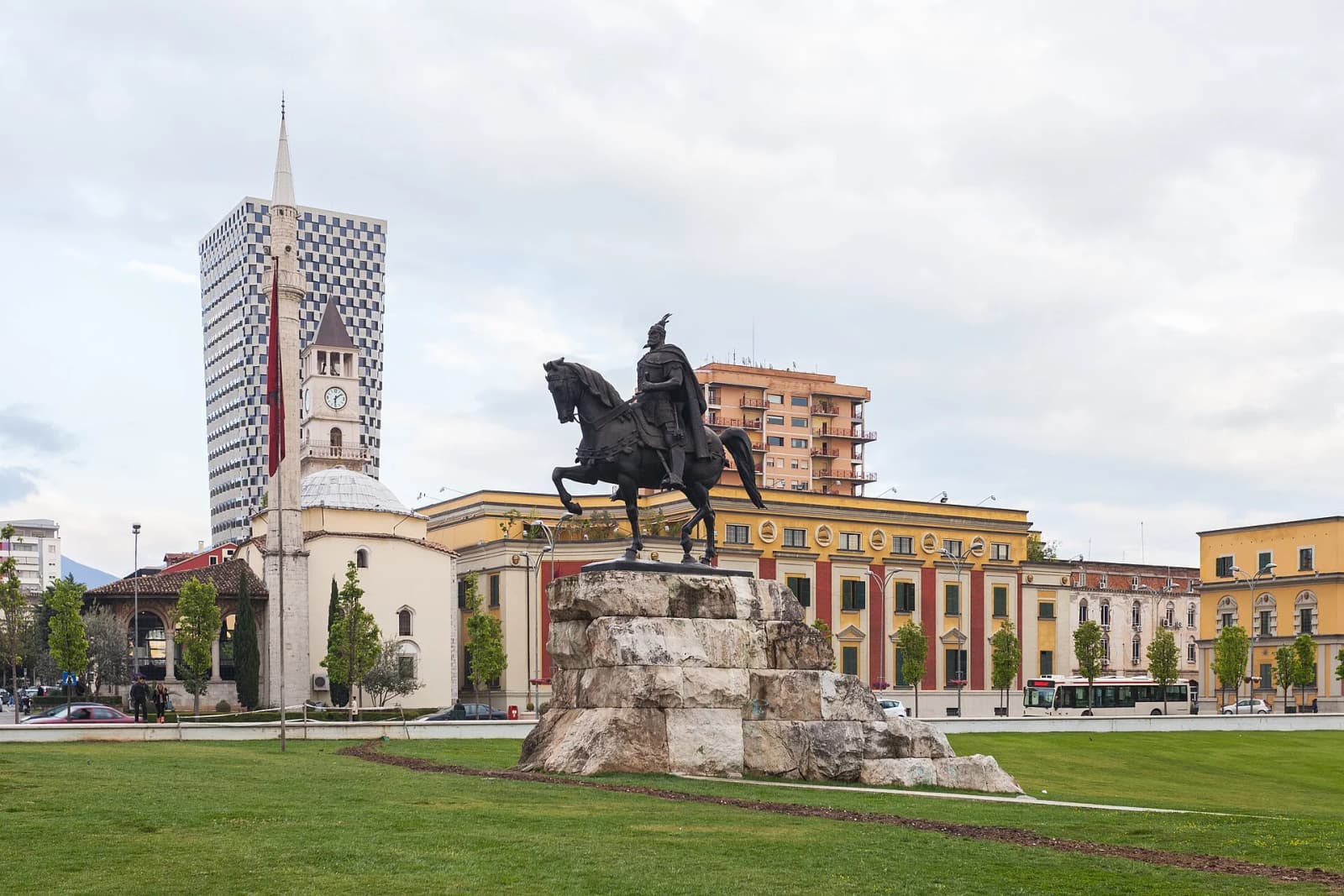
Protesters gathered in Skanderbeg Square at 10:00 and then marched towards the Prime Minister's Office, where the confrontation sharpened, the state-run Albanian Telegraphic Agency (ATA) reported. According to the agency's account, masked demonstrators threw stones, sticks, fireworks, smoke bombs and petrol bombs at officers and at water cannon vehicles along Dëshmorët e Kombit Boulevard.
ATA said petrol bombs were hurled at the Ministry of Infrastructure and Energy, while stones and paving slabs torn from the pavement were thrown at the Ministry of Interior. A group of masked protesters also broke down the entrance door of the Puppet Theatre building, and clashes were reported near the headquarters of the governing Socialist Party.
Police responded with tear gas and water cannon to disperse the crowds. The State Police repeatedly urged demonstrators to separate themselves from violent and masked individuals, ATA reported. Al Jazeera said officers had also been posted on the main roads into and out of the capital, where they carried out vehicle checks.
How many people were injured?
Nineteen people had been admitted to two Tirana hospitals by 15:15 local time, according to updated figures from the Health Ministry carried by ATA. The ministry said 17 were treated at the University Trauma Hospital, including five police officers, four media representatives (one of them a foreign national) and eight protesters, and that one police officer and one protester were treated at the Mother Teresa University Hospital Centre. All were described as being in a stable condition.
An earlier ministry count had put the number of injured at eight. The sources checked by MapMyTimes did not report any arrest figures, and the final toll for the day had not been published at the time of writing.
Why are Albanians protesting?
The demonstrations belong to a leaderless movement that protesters call the "Flamingo Revolution". It began in May with peaceful rallies against a luxury hotel project in a coastal nature reserve that has been linked to the family of US President Donald Trump, Al Jazeera reported. Anger later widened to alleged corruption, and from October the protests also took up poor healthcare and the lack of prospects for young people.
Speaking to the Associated Press, Arian Lleshi, 33, who had travelled from the United Kingdom to join the rally, said people had "been suffering for far too long" and that the parties in power since the fall of communism in the 1990s "no longer represent anyone". Suzana Gjeta, a retiree, told the agency she was marching for young people and for pensioners "living on just 120 euros [$131] a month", adding that she hoped "Edi Rama will go and that this corruption will end."
How has the government responded?
In late October the government gave police powers to temporarily restrict gatherings near public institutions and to fine protesters caught looting or hiding their identity, according to Al Jazeera, which said later rallies had drawn smaller crowds. The European Union, which Albania hopes to join, has called for an investigation into alleged excessive use of force by police and urged all sides to de-escalate.
No government statement specifically on Saturday's clashes was found in the sources checked. Earlier the same day, Mr Rama attended the official flag-raising ceremony in the coastal city of Vlora alongside President Bajram Begaj, Speaker of Parliament Niko Peleshi, and Kosovo's President Justina Shiroka Pula and Prime Minister Albin Kurti, ATA reported.
What happens next?
Protesters have made Mr Rama's resignation their central demand, and the movement has staged a long series of rallies since May. Further injury figures, any police detentions and the EU response are the next things to watch.
Photo source · Diego Delso, CC BY-SA 3.0