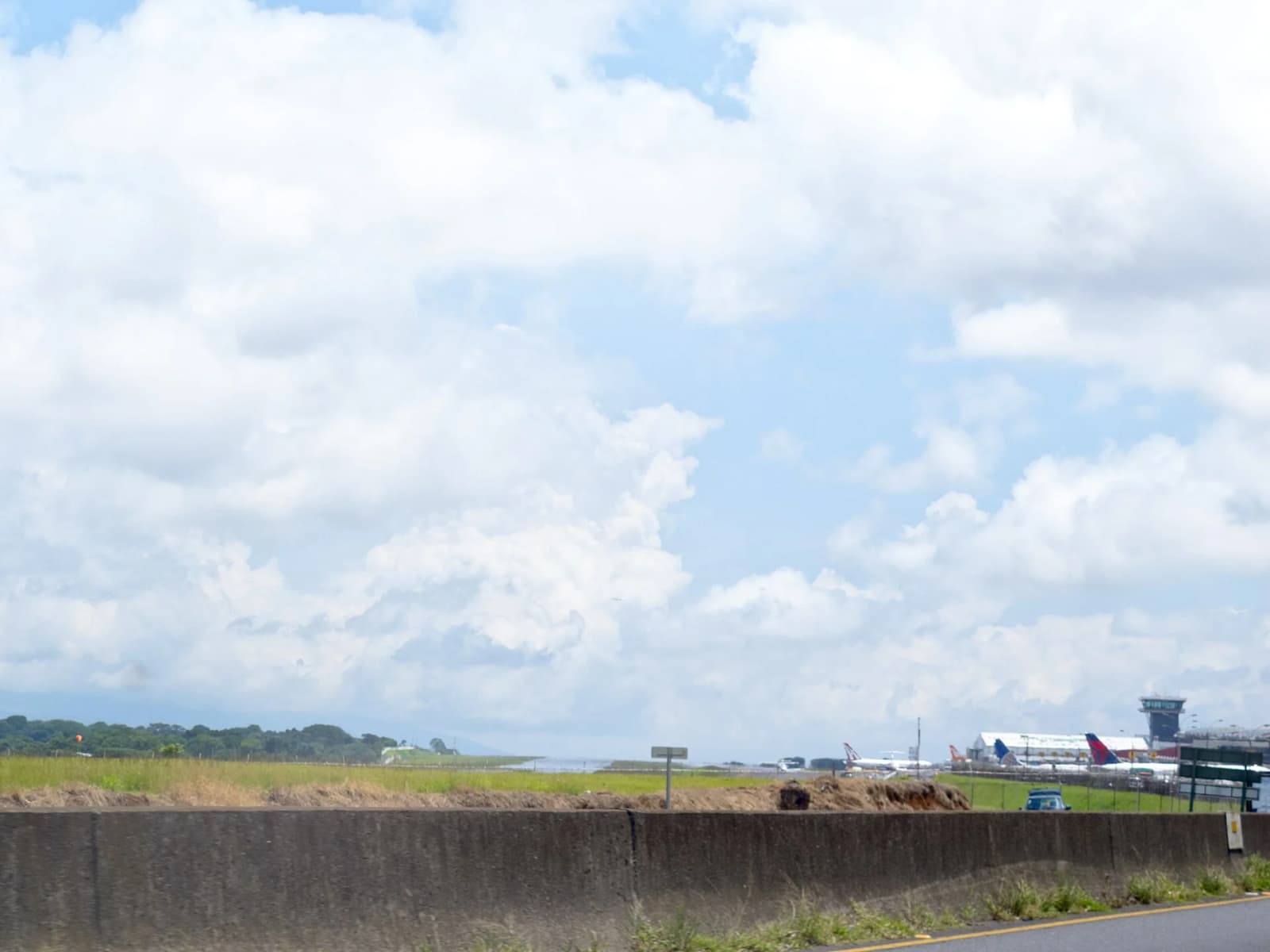
Costa Rican immigration authorities refused entry to Francesca Albanese, the UN Special Rapporteur on the occupied Palestinian territories, after stopping her at Juan Santamaría International Airport near San José on 26 November 2026, citing national security. She was held at the airport for two nights before Costa Rica's Constitutional Court ordered that she be allowed to go to a hotel, according to The National and Al Jazeera.
Albanese, an Italian lawyer appointed by the UN Human Rights Council in 2022, had travelled to Costa Rica to accept an honorary doctorate from the state-run University of Costa Rica in recognition of her academic and human rights work.
Why did Costa Rica refuse her entry?
Costa Rica says she was flagged by an international security alert. Omer Badilla, director-general of the country's immigration authority, said in a video posted on social media that Albanese was turned away because she was the subject of an "international alert due to links to terrorist acts". He did not say which country had issued the alert. The migration service said the decision was consistent with national security measures.
Albanese has rejected any suggestion that she is linked to terrorism. She called her treatment "a disgrace" and "appalling", and said the decision had not been explained to her, even though she was aware that her name was on a United States sanctions list. "We are not in the United States. We are in Costa Rica," she told the student publication Semanario Universidad, as quoted by Al Jazeera.
What did the court order?
The Constitutional Court ruled that she should be allowed to leave the airport and rest at a hotel. Albanese said immigration police initially refused to comply, and in a video interview she said she had been "almost forced to board the plane to be shipped back to Paris" and was threatened with being put on the flight by force. She was later moved to a hotel near the airport, The National reported.
How has the UN responded?
UN High Commissioner for Human Rights Volker Türk said on 27 November that he was "deeply concerned" by the decision and urged Costa Rican authorities to reconsider urgently and allow her in, saying the move was hard to reconcile with Costa Rica's long-standing commitment to human rights. Israel's ambassador to the UN, Danny Danon, welcomed Costa Rica's decision, saying those who misuse a UN mandate should face consequences.
UN special rapporteurs are independent experts and do not speak on behalf of the United Nations. MapMyTimes has also reported on other recent UN expert warnings, including concerns over the detention of activists in Vietnam.
Why it matters
Albanese is one of the most prominent critics of Israel's conduct in Gaza and the West Bank and has accused Israel of genocide and other war crimes, positions strongly opposed by Israel and its allies, including the United States. Washington has sanctioned her, and Israel declared her persona non grata in 2024. The episode comes as violence in Gaza continues, including a recent Israeli strike on an MSF clinic in Gaza City.
The decision also reflects a shift in Costa Rica's foreign policy. President Laura Fernández, a close ally of US President Donald Trump, has sought closer trade ties with Israel since taking office in May 2026, according to Al Jazeera.
What is confirmed and what is not
Confirmed: Albanese was denied entry on national security grounds, held at the airport and later moved to a hotel after the court order. Not yet confirmed: which country issued the alert cited by Costa Rica, and whether the government will reverse its decision. She was expected to travel on to Mexico on 28 November, but reports had not confirmed her departure at the time of writing.