The UK Health Security Agency (UKHSA) on 20 November 2026 extended by a further 24 hours the yellow cold-health alerts in force for three regions of northern England: the North West, the North East, and Yorkshire and the Humber. The alerts had already been extended once, on 18 November, to run until 9am on Monday 23 November. UKHSA said all other regions of England remain unaffected.
What does a yellow cold-health alert mean?
A yellow alert means cold weather is unlikely to affect most people but could harm those who are particularly vulnerable. The alerts are issued under the Weather Health Alerting system that UKHSA runs with the Met Office, and they focus on health effects in England rather than on general severe-weather disruption.
According to UKHSA's alert page, low temperatures can lead to more use of health care services by vulnerable people. The agency lists people aged 65 and over, those with pre-existing conditions including respiratory and cardiovascular diseases, and other vulnerable groups such as people sleeping rough as being at greater risk.
How did the alerts build up this month?
UKHSA's page sets out a sequence of alerts this November:
- 10 November: the first cold-health alert of the winter, a yellow alert for the North West and West Midlands from 9am on Thursday 12 November to midday on Saturday 14 November.
- 14 November: a yellow alert for the North West, North East, and Yorkshire and the Humber from 9pm on Sunday 15 November to 9am on Thursday 19 November.
- 18 November: those alerts extended until 9am on Monday 23 November.
- 20 November: a further 24-hour extension for the same three regions.
What advice has UKHSA given?
Paul Coleman, a Consultant in Public Health at UKHSA, said when the alerts were widened on 14 November that cold weather "can have a serious impact on the health of some people", including those aged 65 and over and people with existing health conditions, and urged the public to check on friends, family and neighbours who are most vulnerable. He advised people, where they can, to heat the rooms they spend most time in, such as the living room or bedroom, and to dress warmly.
When the first alert was issued on 10 November, Dr Anya Gopfert, also a Consultant in Public Health at UKHSA, said it was the first cold-health alert of the winter and that more could be expected as the season goes on. UKHSA also publishes cold weather guidance for the public and for health and care professionals.
Why it matters
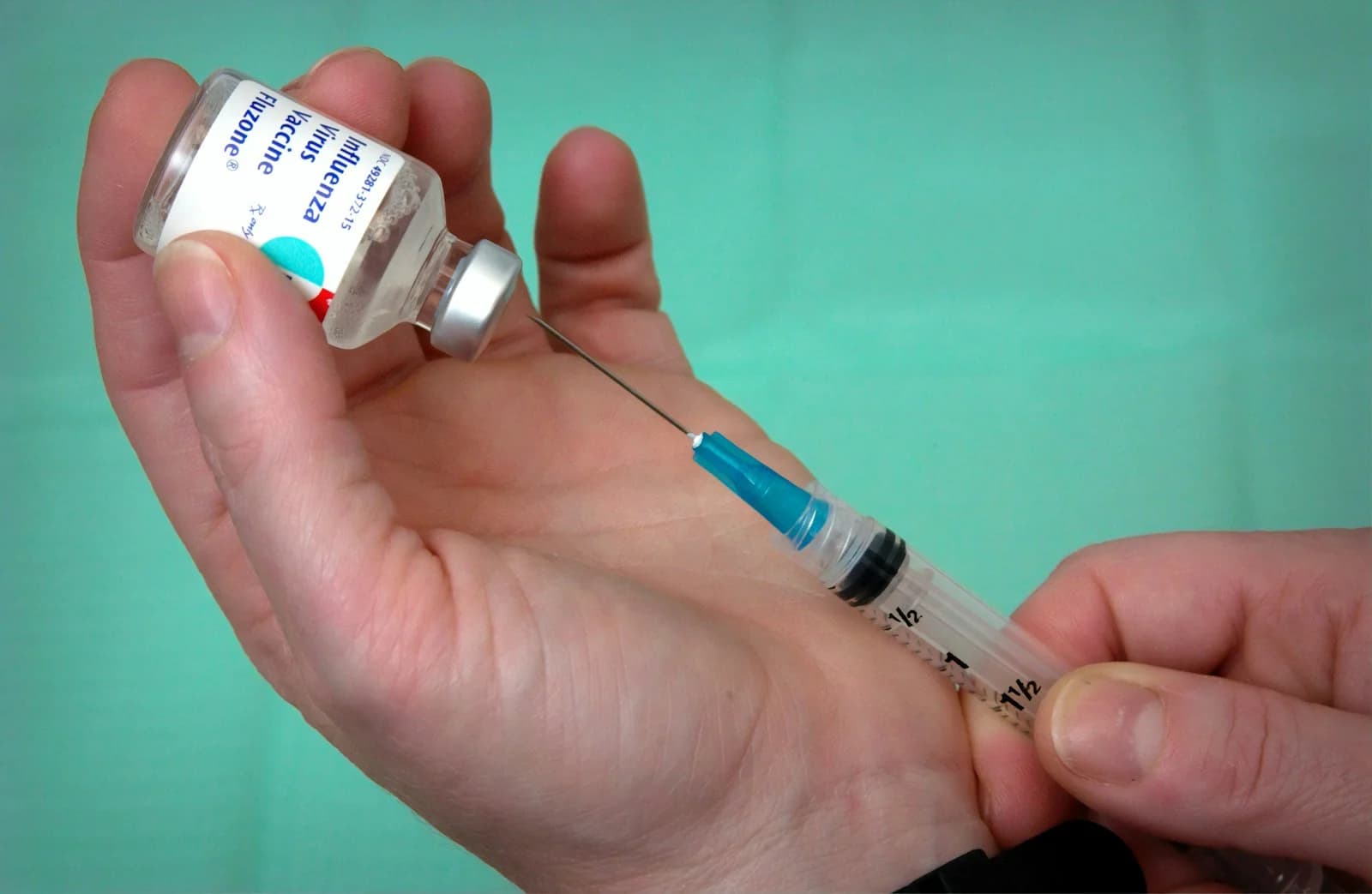
The alerts are aimed as much at hospitals, care homes and local services as at the public, giving them notice that demand from older and frail people may rise. They come as UK health officials are also pressing families on winter vaccines; this week UKHSA warned that only around a third of 2- and 3-year-olds in England had had a flu vaccine.
What happens next?
UKHSA has updated its alert page each time the alerts have changed, and Dr Gopfert's warning that more alerts are likely suggests further notices as winter deepens. Residents of the three affected regions, and those caring for older or unwell relatives, can check the page for the latest status before the extended alerts lapse.
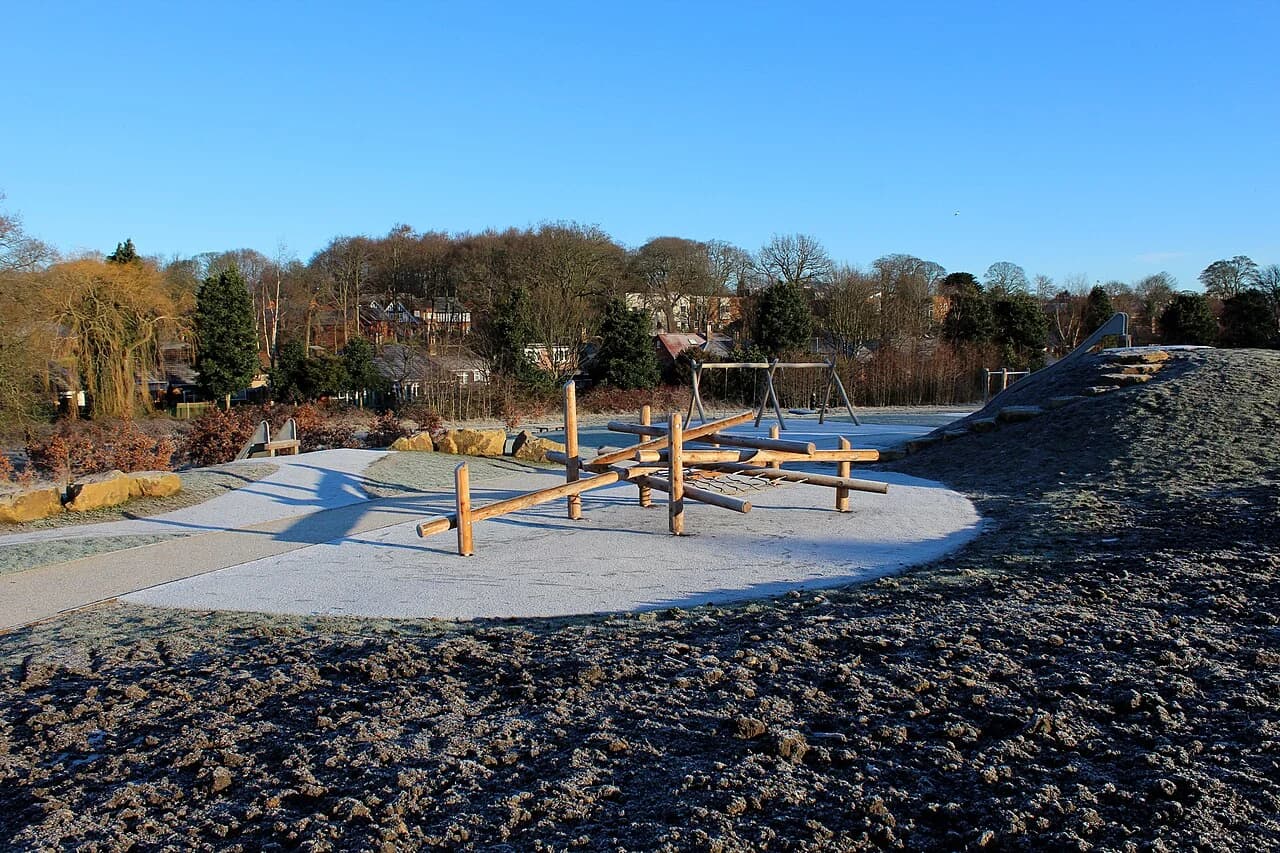
Photo source · Chris Heaton, CC BY-SA 2.0