The Virginia Department of Health said on 20 November 2026 that a child aged between 0 and 4 who had tested positive for measles had died, the state's first measles-associated death this year, as MapMyTimes reported. The death came three days after the Pan American Health Organization (PAHO), part of the World Health Organization, announced on 17 November 2026 that the United States had lost the measles elimination status it first achieved in 2000. Here is what that status means, why it was lost, and what the outbreak shows about measles and vaccination.
What does "measles elimination" mean?
Elimination means the measles virus has stopped spreading continuously within a country; it does not mean there are no cases at all. Imported cases can still occur. According to ABC News's report on the PAHO decision, a country loses the status when the same strain of the virus circulates for 12 months or more. The United States had held the status since 2000, more than 25 years.
Why is it in the news now?
Because US case numbers in 2026 are far higher than in recent years. The US Centers for Disease Control and Prevention (CDC) reported 5,838 confirmed measles cases in 2026 as of 19 November, from 47 jurisdictions plus a small number among international visitors, and 43 new outbreaks during the year. ABC News reported that fewer than 300 cases were recorded in 2024, and that the country historically averaged about 180 a year.
Deaths have also risen. The CDC's figure for measles-associated deaths stood at six, a number it says is subject to change, while ABC News, citing state health departments, counted 10. The figures differ partly because, as MapMyTimes noted in its report, the CDC changed how it counts measles deaths this year.
Virginia alone had 220 cases in 2026 as of 19 November, according to the state health department: 179 in unvaccinated people, 39 with unknown vaccination status and two in vaccinated people. In a statement on 17 November, the department said its 2026 total had already exceeded the previous 34 years combined and was the highest annual count since 1988.
Why does measles spread so easily?
Measles is highly contagious and airborne. The World Health Organization (WHO) says in its measles fact sheet that the virus spreads when an infected person breathes, coughs or sneezes, can stay active in the air or on surfaces for up to two hours, and that one infected person can infect up to 18 others. People can pass it on from four days before the rash appears until four days after.
Symptoms usually start 7 to 14 days after exposure with high fever, runny nose, cough, red and watery eyes and small white spots inside the cheeks. A rash follows three to five days later, starting on the face and upper neck and spreading downwards.
How dangerous is it?
Most measles deaths are caused by complications, the WHO says, including pneumonia, encephalitis (swelling of the brain), blindness, severe diarrhoea with dehydration and ear infections. Complications are most common in children under five and adults over 30, and in malnourished children or people with weakened immune systems. Measles in pregnancy can cause miscarriage or premature birth. There is no specific antiviral treatment; care focuses on relieving symptoms and preventing complications, and the WHO recommends vitamin A for all suspected cases in children under five.
Globally, the WHO estimates that about 95,000 people, mostly children under five, died of measles in 2024, and that vaccination prevented an estimated 59 million deaths between 2000 and 2024.
How does vaccination protect you?
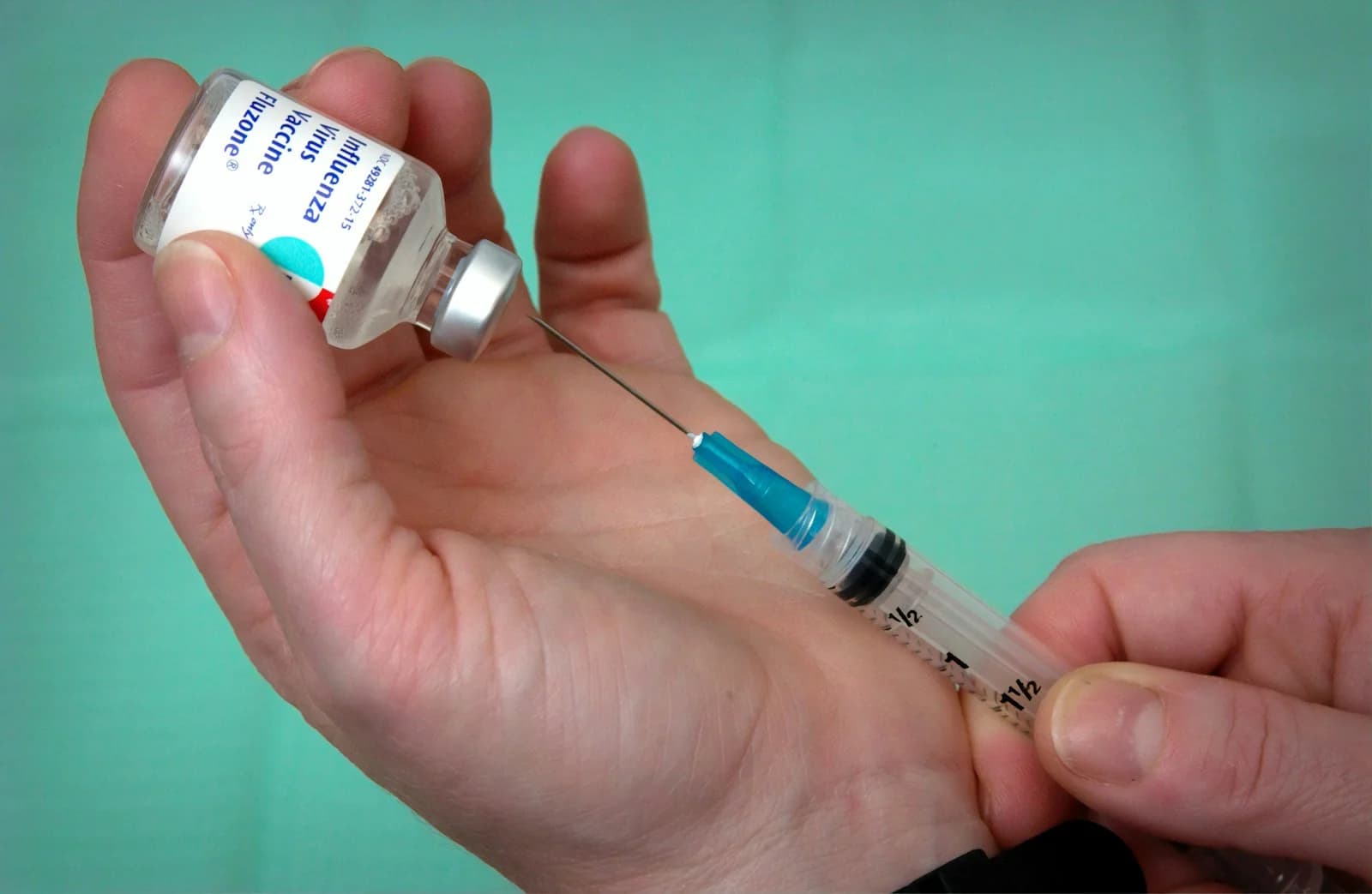
Two doses of a measles-containing vaccine give strong protection. The Virginia Department of Health says two doses of the MMR (measles, mumps and rubella) vaccine are about 97% effective. The WHO says the first dose is usually given at 9 months in countries where measles is common, or at 12 to 15 months elsewhere, with the second dose usually at 15 to 18 months. Parents should follow the immunisation schedule recommended in their own country.
High coverage matters because vaccinated people also shield those who cannot be vaccinated, such as young infants. ABC News reported that US kindergarten MMR coverage fell from 95% in the 2019–2020 school year to 92% in 2025–2026, leaving nearly 300,000 kindergarteners unprotected; health officials consider 95% the level needed for herd immunity. Worldwide, the WHO says 77% of children received both doses in 2025.
How does this affect readers in India?
Measles is not only an American problem. The WHO says the disease remains common in parts of Africa, the Middle East and Asia, and that about 29 million infants worldwide were under-protected against measles in 2025. Travellers and families should check that their own and their children's vaccinations are up to date. Virginia's health department advises anyone with fever and rash, especially if unvaccinated or exposed, to call a doctor before visiting a clinic so that others are not exposed in the waiting room.
What happens next?
US health authorities say they want the status back. ABC News reported that Health Secretary Robert F. Kennedy Jr. said the country would work to regain elimination and continues to recommend the MMR vaccine, while CDC Director Erica Schwartz said, "The measles elimination designation is not what protects Americans. Vaccination does." Virginia's health department said it would update its measles dashboard on 24 November to include the child's death.
What is established and what is not?
- Established: the loss of US elimination status announced on 17 November 2026; the CDC's count of 5,838 cases as of 19 November; the effectiveness of two MMR doses.
- Uncertain: the final 2026 death toll, given differing federal and state counts, and how long it will take the United States to stop continuous transmission. Virginia has not said whether the child who died was vaccinated.
This explainer is general information, not medical advice.