The UK Health Security Agency (UKHSA) urged parents on 19 November 2026 to get young children vaccinated against flu, after its figures showed that only about 37% of two- and three-year-olds in England had received a flu vaccine under the free NHS programme so far this season. The agency said flu levels are still low but rising, and that young children are among the groups now most affected by flu-like illness.
How many young children have been vaccinated?
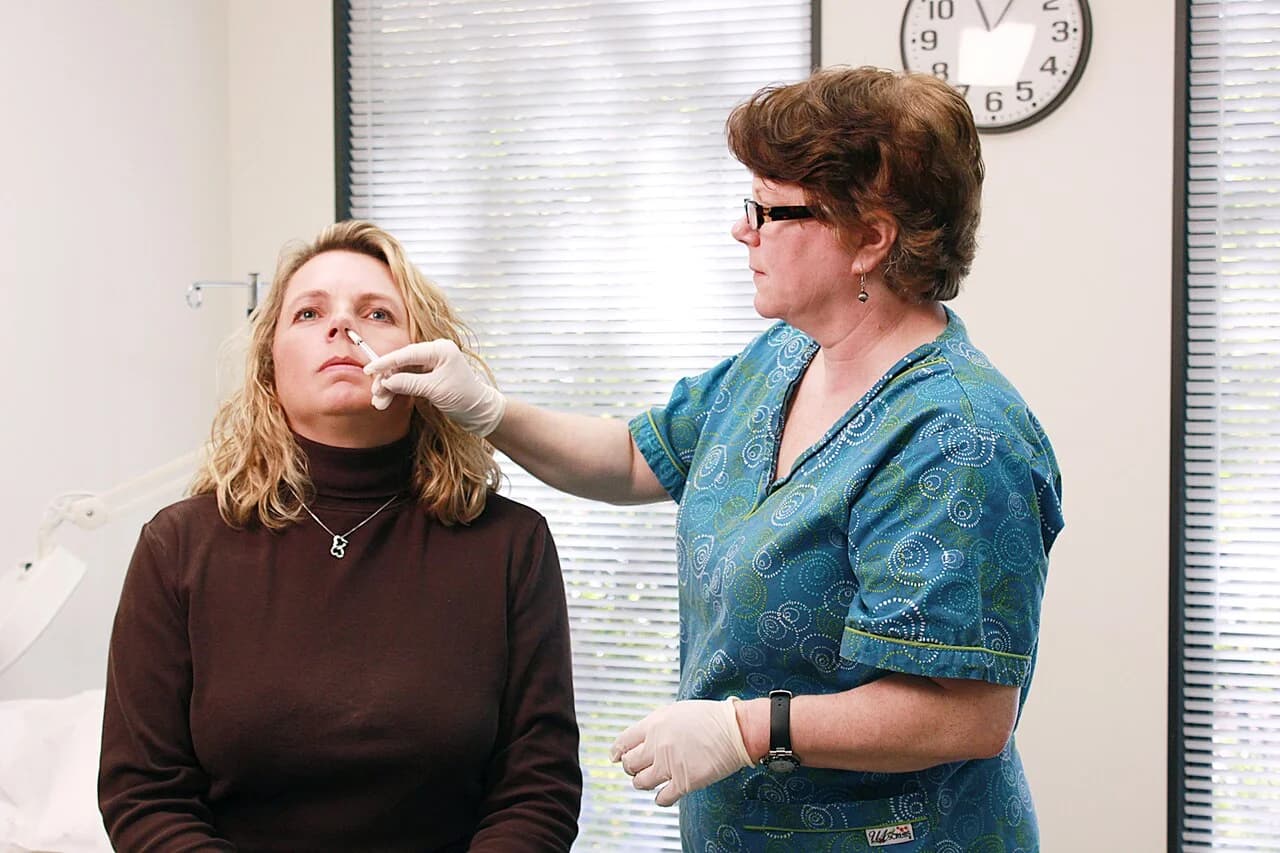
Just over a third of two- and three-year-olds, around 37%, have had a flu vaccine, according to the UKHSA announcement. Children of this age can get the vaccine as a nasal spray from their GP practice or some community pharmacies. School-age children are offered it at school, and those who miss it there will be able to get the nasal spray at some community pharmacies from 1 December.
What does the latest surveillance show?
UKHSA's weekly winter virus surveillance report for 9 to 15 November 2026 said influenza activity increased but is still circulating at low levels. Laboratory flu positivity rose to 11.4%, from 8.3% the week before, and the overall flu hospitalisation rate climbed to 4.68 per 100,000 from 3.76.
- The weekly rate of GP consultations for influenza-like illness, from Royal College of GPs surveillance, rose to 9.0 per 100,000 from 7.3.
- The highest consultation rates were among babies under one (13.6 per 100,000) and children aged one to four (13.1 per 100,000).
- Emergency department attendances for acute respiratory infection were highest among one- to four-year-olds in England.
- RSV positivity rose to 5.2% from 3.2%, while COVID-19 activity was stable at low levels.
Why are young children a concern?
UKHSA said flu can cause serious illness in children, including pneumonia, and that children under five have one of the highest rates of hospital admission due to flu, with 6,000 hospitalised in the winter of 2022-23. Children with certain underlying conditions face greater risk. The agency said flu usually peaks in December and January, often around Christmas, and expects levels to rise as people socialise indoors in colder weather.
Dr Suzanna McDonald, Flu Vaccination Programme Lead at UKHSA, said it was "a real concern that so many young children are left unprotected against flu every winter, with many thousands ending up in hospital, some in intensive care." She added that vaccinating two- and three-year-olds and school-age children also helps stop the virus spreading to younger siblings and wider family members. Public Health Minister Dame Diana Johnson urged parents whose child had not yet had the vaccine to book an appointment.
What else does UKHSA advise?
Alongside vaccination for those eligible, the agency recommended staying at home when unwell, opening a window when meeting people indoors, wearing a mask when unwell and needing to go out, coughing into a tissue or elbow, frequent handwashing, cleaning frequently touched surfaces and avoiding visits to hospitals and care homes when ill.
Why it matters beyond the UK
The UK's surveillance data is one of the early indicators of how the northern hemisphere flu season is developing. Families in other countries should follow guidance from their own health authorities on flu vaccination for children.
Photo source · CDC/Douglas Jordan, public domain