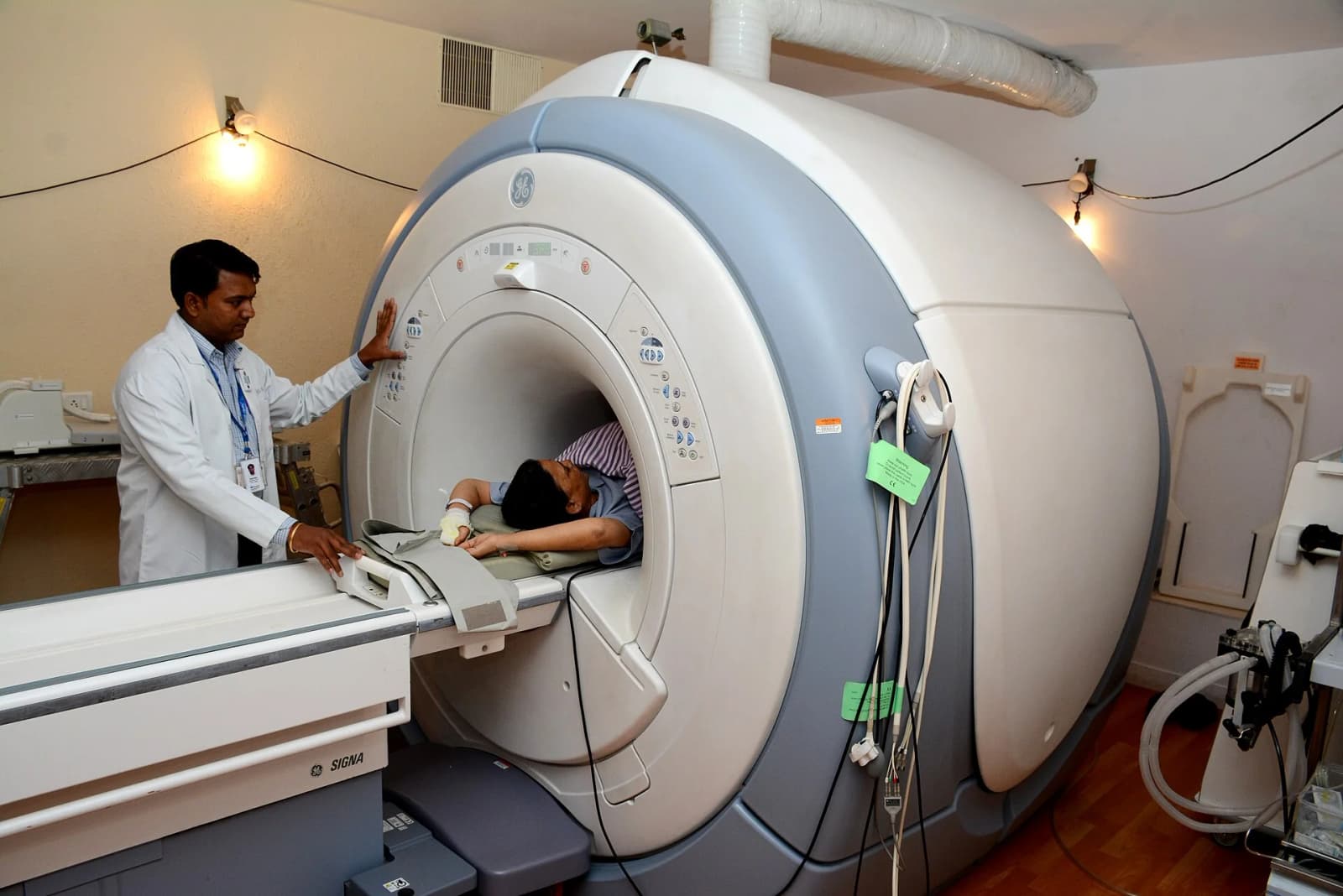
People who frequently work night shifts showed small but measurable differences in the structure of their hearts and in blood markers linked to heart health, according to a study of more than 42,000 adults in the UK published on 19 November 2026 in the European Heart Journal – Cardiovascular Imaging. The researchers stress that the study does not show night work directly damages the heart.
The study was led by Dr Muwei Li of Zhengzhou University in China and was announced by the European Society of Cardiology (ESC) in a press release from Sophia Antipolis, France.
What did the researchers find?
Frequent night-shift workers tended to have slightly thicker heart walls relative to the size of the main pumping chamber, and somewhat smaller heart chambers, according to cardiac magnetic resonance imaging (MRI) scans. One measure of how the heart muscle contracts was subtly different, but there was no significant difference in ejection fraction, the standard measure of how well the heart pumps overall.
Blood tests also differed. Frequent night-shift workers had lower levels of DHA, an omega-3 fatty acid that supports the heart and blood vessels, and lower levels of some measures linked to HDL, or "good" cholesterol. They had higher levels of markers related to triglycerides, a type of blood fat, and to inflammation. The ESC said these biomarker results are exploratory and do not establish a full causal chain from night work to changes in the heart.
Who was studied?
The team analysed data from 42,671 men and women in the UK Biobank, a long-running research cohort, with an average age of 52 at the start. Of them, 1,322 reported frequent night-shift work. People who already had cardiovascular disease were excluded. The ESC described it as the first large-scale study to combine detailed cardiac MRI with protein and metabolite profiling in relation to night-shift work. The paper is titled "Night Shift Work and Subclinical Cardiac Remodeling: A Multiomic CMR Study in 42,671 Individuals".
The ESC said an estimated one in five workers worldwide do regular night shifts, and earlier research has linked such work to a higher risk of heart disease and death from heart disease.
Does this mean night-shift workers will get heart disease?
No. The researchers said the differences were small averages across a population and do not mean that all night-shift workers will develop heart disease or heart failure.
"The research was observational so we could not establish whether frequent night-shift work directly damages the heart," Dr Li said in the ESC statement. The scans were taken at a single point in time, so the study cannot show what happens if someone reduces or stops night work, he said.
The authors also noted limitations. UK Biobank participants are mostly White Europeans and healthy volunteers, which limits how far the results apply to other populations. People with missing shift-work information, who tended to be older and to have more cardiometabolic disease, were left out, raising the possibility of selection bias.
What do the researchers advise?
Dr Li suggested that people who regularly work at night pay particular attention to their heart health: not smoking, staying active, eating well and keeping a healthy weight, getting enough sleep at regular times, and keeping blood pressure, cholesterol and blood sugar under control. He said doctors may wish to record night-shift work as part of a patient's occupational and lifestyle history, especially when the patient already has cardiovascular risk factors.
The researchers called for long-term studies that repeatedly track both night-shift exposure and heart scans, to see whether the differences grow with longer exposure, ease when night work is cut back, or predict future heart disease. The study was funded by the National Natural Science Foundation of China and Henan provincial bodies, and the authors declared no competing interests, the ESC said.
Photo source · GeorgeWilliams21, CC BY-SA 4.0