The Ministry of Jal Shakti launched a nationwide campaign on 19 November 2026, World Toilet Day, to check and repair community and institutional toilets in rural India, with special attention to the needs of women, girl students and persons with disabilities. Called 'Swachh Shauchalay – Garimamay Bhavishya' (Clean Toilets – Dignified Future), the drive will run until 10 December 2026, Human Rights Day, the ministry said in a release issued in New Delhi on 20 November.
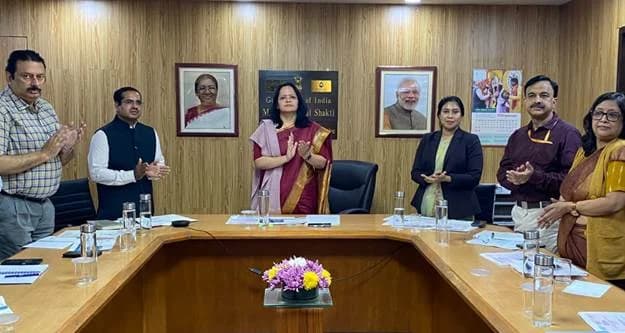
The campaign, under the Swachh Bharat Mission (Grameen), was e-launched along with an online reporting module by Aishvarya Singh, Joint Secretary and National Mission Director of the mission at the Department of Drinking Water and Sanitation (DDWS).
What will the campaign actually do in villages?
It asks states and Union Territories to assess whether community sanitary complexes and toilets in schools, Anganwadi centres and Panchayat buildings are working and accessible, and to repair or restore them where needed. Households will also be encouraged to fix and maintain their own toilets.
The ministry listed several other objectives:
- Assessing the types of toilets in each village and, where feasible and against state targets, converting single-pit toilets to twin-pit ones and adding soak pits to septic tanks that lack them.
- Assessing and planning mechanised desludging where it is needed for faecal sludge management.
- Strengthening operation and maintenance arrangements for community and institutional toilets.
- Encouraging communities to make these toilets clean and welcoming, using local wall art, signage and better surroundings.
- Checking whether villages have stayed open-defecation free, and promoting continued toilet use through behaviour change communication.
- Completing the Swachh Seva Aankalan assessment in villages and gram panchayats by 30 November 2026 where it has not been done.
Awareness drives will cover personal and community hygiene, handwashing with soap, faecal sludge management, the Solid Waste Management Rules, 2026, and four-way segregation of waste.
Why the focus on women, girls and Divyangjan?
The ministry said the campaign is aligned with the United Nations theme for World Toilet Day 2026, "Safe toilets. Equal futures.", which links sanitation to gender equality. Accordingly, it puts particular emphasis on the needs of women, girl students and Divyangjan (persons with disabilities) in rural sanitation facilities.
Speaking at the launch, Singh said the campaign had been designed around dignity and sanitation for all, according to the release. She said it also targets schoolchildren as future custodians of cleanliness, and asked state teams to work with School Management Committees and the departments concerned so that pupils can take part, including in school sanitation audits.
She also stressed the importance of clean, working community toilets in places with heavy footfall, including tourist spots, saying they directly shape visitors' experience and indirectly support the local economy.
Where does rural sanitation stand now?
At the launch, a DDWS director presented the progress of the mission and said around 89.9% of villages have achieved ODF Plus (Model) status, according to the ministry. Swachh Bharat Mission (Grameen) teams from Gujarat, Madhya Pradesh, Sikkim and Karnataka shared the activities they have planned for the campaign.
What happens next?
States and Union Territories will report their progress through the new DDWS reporting module until the campaign ends on 10 December. The ministry has appealed to states to involve a wide range of stakeholders and run the drive through public participation (Jan Bhagidari) towards what it calls complete cleanliness (Sampoorna Swachhata).