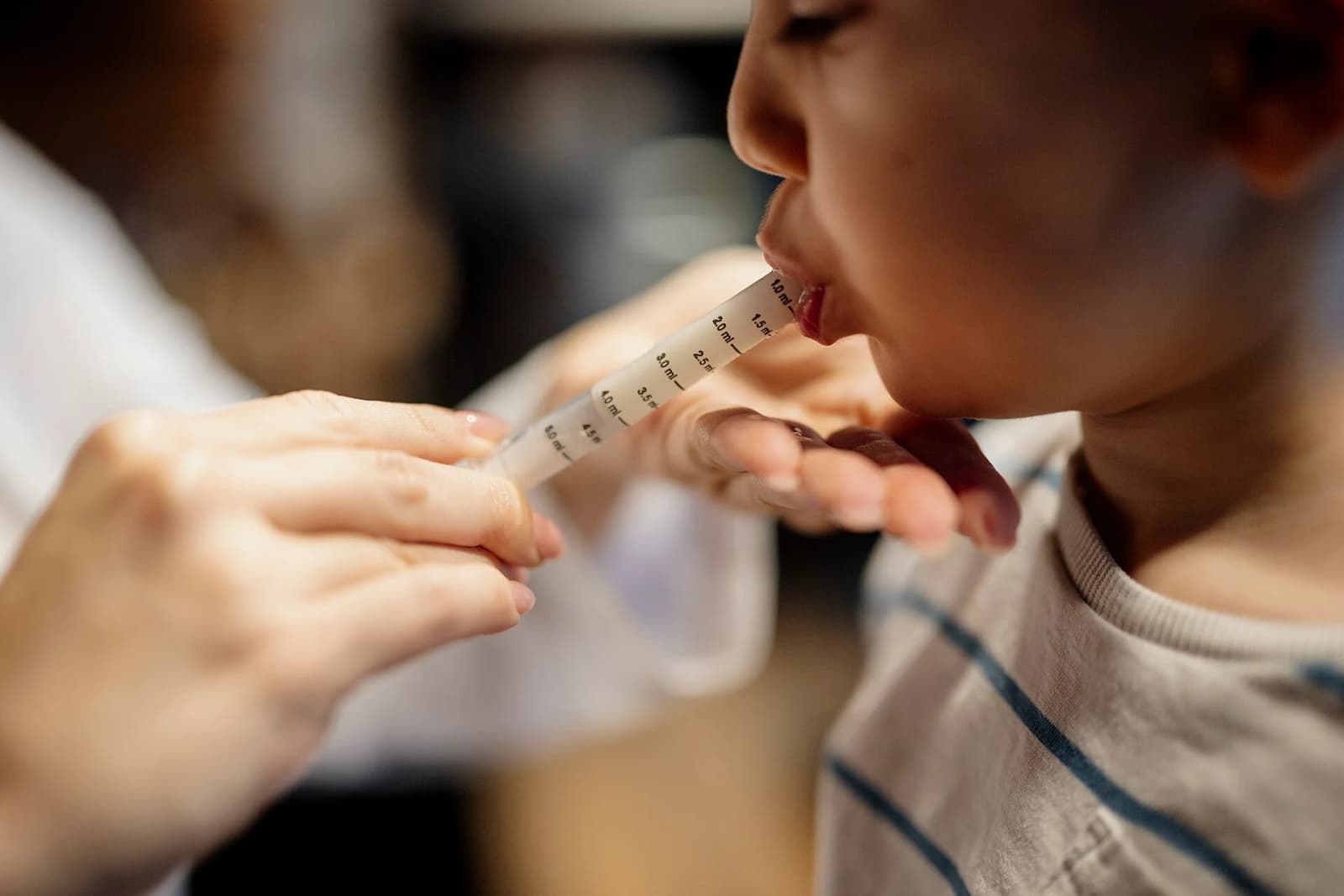
The World Health Organization (WHO) used World Children's Day on 20 November 2026 to push for faster development of medicines made for children, saying in an update published that day that the Global Accelerator for Paediatric Formulations Network (GAP-f), a WHO-hosted partnership, is stepping up work on priority drugs, clinical trials and access.
"Children should not have to wait for medicines that are designed for their needs," said Dr Sylvie Briand, WHO Chief Scientist and Assistant Director-General (a.i.) for Health Systems, Access and Data.
What is GAP-f trying to fix?
GAP-f is trying to close the gap between the medicines children need and the safe, effective, age-appropriate formulations actually available to them. The network brings together WHO, researchers, drug developers, regulators and funders to decide which children's medicines matter most and to speed up their development and supply.
What is the '30 by 30' target?
The '30 by 30' target is GAP-f's commitment, set out in its Strategic Roadmap 2025-2030, to deliver three sets of ten by 2030: assess priorities across 10 high-burden diseases, accelerate 10 priority medicines, and strengthen paediatric medicines systems in 10 countries.
What did WHO announce?
- A product portfolio: GAP-f will publish a prioritised portfolio of children's medicines, built on WHO's Paediatric Drug Optimization (PADO) process, in which experts identify the medicines and formulations children most need. WHO says the portfolio is meant to help researchers, developers and funders focus their efforts.
- Clinical research tools: A package of resources maps paediatric trial sites around the world and offers learning material on trial design and implementation, along with recommendations on study design agreed across stakeholders.
- Country-level access: WHO and GAP-f partners held a regional workshop on paediatric medicines in May 2026. The meeting report, published by WHO, says the workshop took place in Kuala Lumpur, Malaysia, from 11 to 13 May with selected ASEAN pilot countries, and marked the start of a three-year initiative.
Why it matters for families
WHO's framing is that children are too often left waiting for medicines in forms and doses suited to their age. The organisation's update calls on governments, researchers, developers, regulators, funders and civil society to keep investing and working together so that more children's formulations reach the market.
The update does not announce new funding amounts or name specific drugs that will be launched, and India is not among the countries named in the documents released so far.
What happens next?
WHO says GAP-f will publish the product portfolio and keep developing its clinical research tools. Progress will be measured against the roadmap's 2030 targets.
Photo source · Shixart1985, CC BY 2.0