India has given more than 1 crore (10 million) doses of the human papillomavirus (HPV) vaccine to 14-year-old girls under its national cervical cancer prevention campaign, less than nine months after the drive began, the Union Ministry of Health and Family Welfare said in New Delhi on 21 November 2026.
According to the ministry's statement released through the Press Information Bureau, the National HPV Vaccination Campaign has now covered nearly 87% of its yearly target group of about 1.2 crore girls, a figure the ministry based on Registrar General of India population estimates for 2021.
Who can get the vaccine, and does it cost anything?
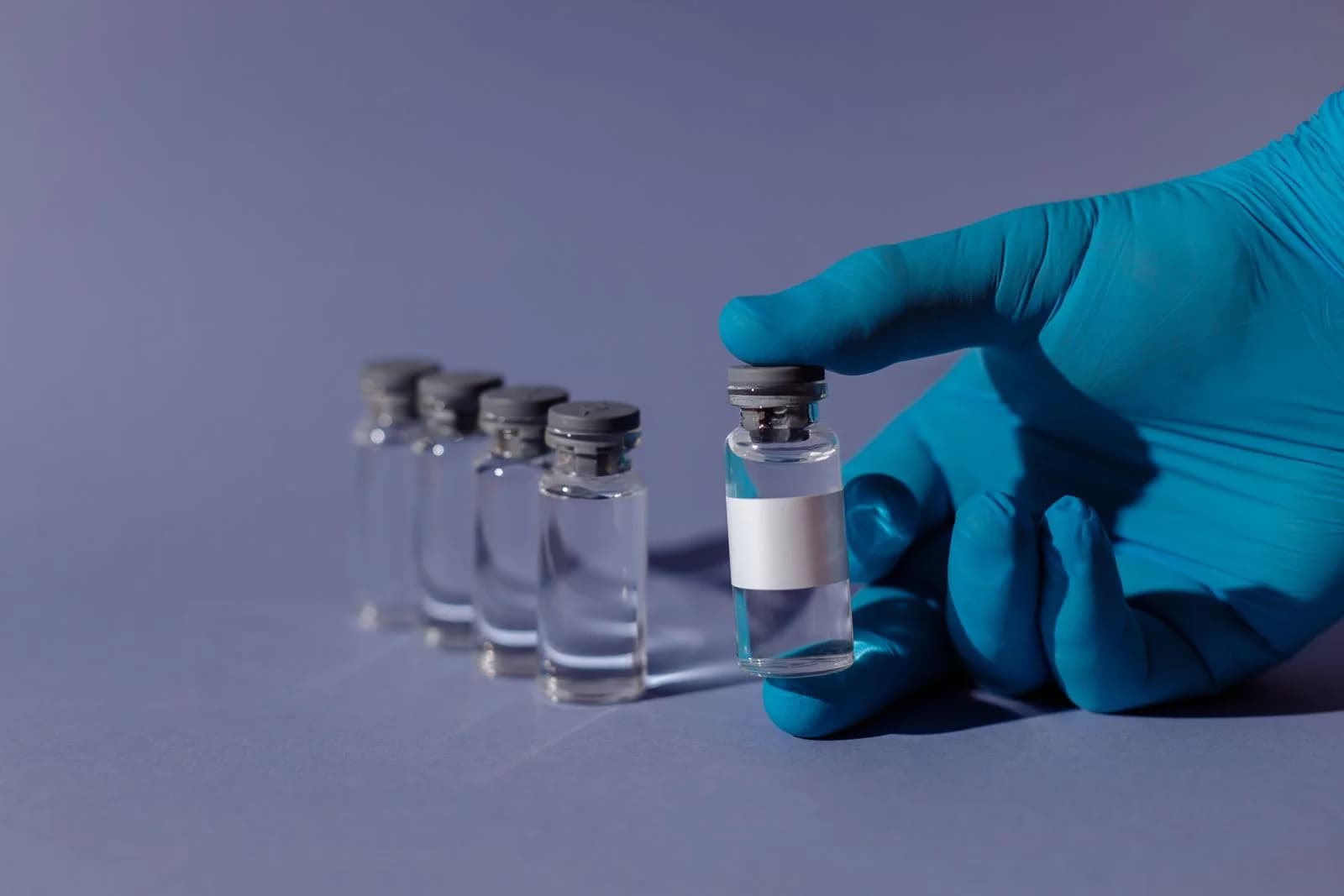
The vaccine is free for 14-year-old girls and is given as a single dose at government health facilities, with a parent's consent. Prime Minister Narendra Modi launched the campaign in February 2026, and participation is voluntary, the ministry said.
Parents and guardians can visit the nearest designated government health facility, or use the U-WIN digital vaccination platform to book a slot and download a digital vaccination certificate, according to the statement.
Which states have done best?
Six states have reached 100% of their identified target population, the ministry said: Gujarat, Uttar Pradesh, Andhra Pradesh, Mizoram, Madhya Pradesh and Bihar.
Assam (95.63%), Telangana (95.28%), Karnataka (93.16%) and Uttarakhand (90.17%) follow, while Chhattisgarh (86.21%) and Rajasthan (85.23%) have crossed 80%. Kerala (77.02%), Tamil Nadu (76.12%), Odisha (74.90%) and the Union Territory of Dadra and Nagar Haveli and Daman and Diu (72.99%) are above 70%.
By absolute numbers, Uttar Pradesh leads with more than 29.33 lakh girls vaccinated, followed by Bihar with over 13.70 lakh and Gujarat with over 7.75 lakh, the release said. State-run initiatives in Bihar, Tamil Nadu and Sikkim have been folded into the national campaign.
Why it matters
Cervical cancer is a major cause of cancer illness and death among women, and persistent infection with certain high-risk types of HPV causes most cases, the ministry noted. Vaccinating girls at 14 is meant to protect them well before any possible exposure to the virus.
The ministry cited global evidence in support of the programme, saying more than 800 million HPV vaccine doses have been given worldwide and nearly two decades of research have shown strong protection against the HPV infections targeted by the vaccine and related precancerous conditions.
What about safety?
All vaccinations take place at designated government facilities under trained medical officers, and each site is linked to a round-the-clock health centre to deal with any rare adverse events following immunisation (AEFI), the statement said.
The ministry said doctors from institutions such as the All India Institute of Medical Sciences (AIIMS), along with teachers, Accredited Social Health Activists (ASHAs) and Auxiliary Nurse Midwives (ANMs), have been working with parents to answer questions about vaccine safety and to counter misinformation. District programme managers use U-WIN to track progress and find eligible girls who have not yet been vaccinated.
What happens next
With the milestone crossed, the ministry said it will focus on reaching the remaining eligible girls, especially where coverage lags, working with state governments, district administrations, schools and community health workers. The figures show coverage still uneven: while six states report full coverage, several others, including Kerala, Tamil Nadu and Odisha, remain in the 70% range.