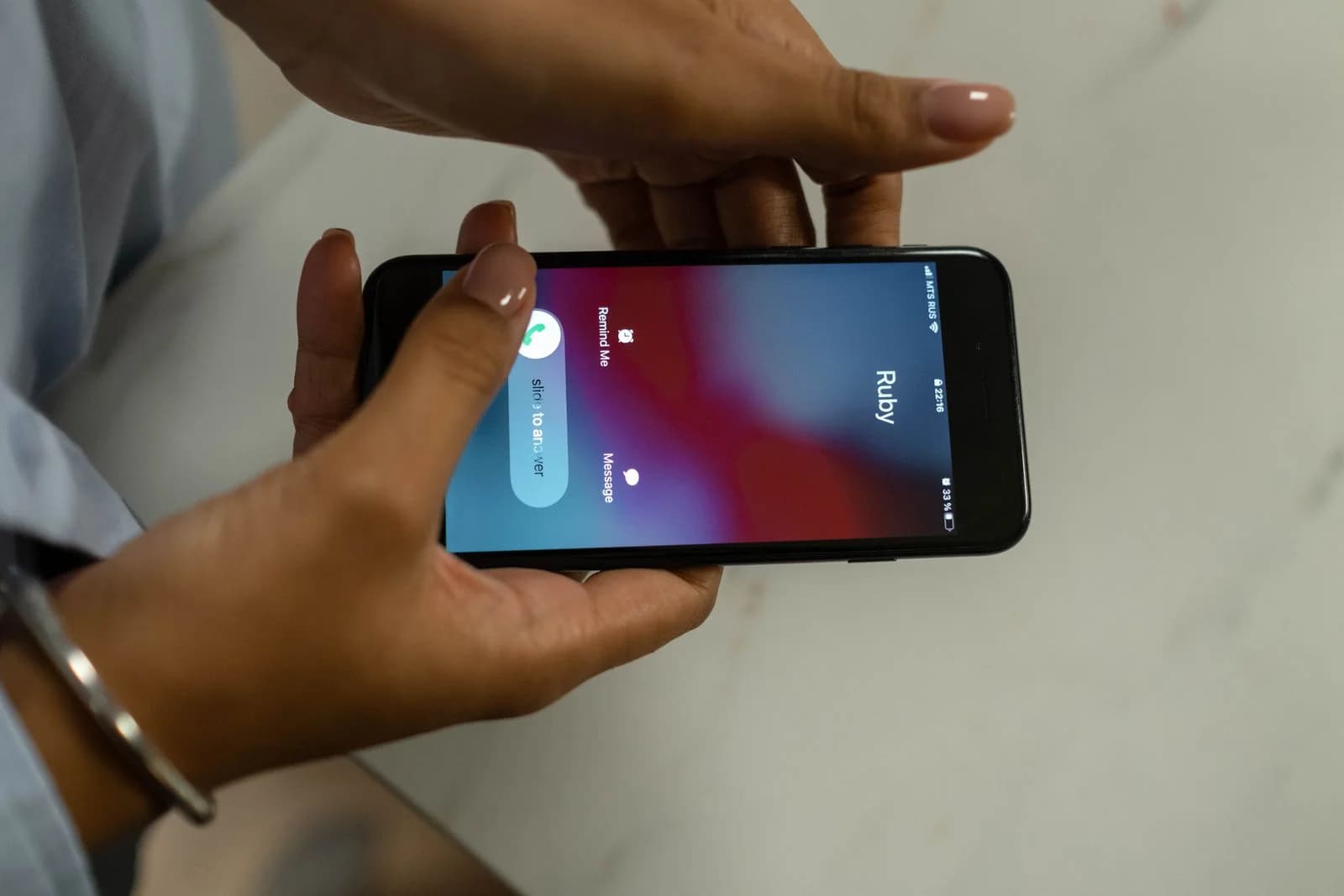
The Telecom Regulatory Authority of India (TRAI) on 27 November 2026 issued a Direction in New Delhi widening the use of the 1601 number series, so that hospitals, e-commerce firms, airlines, food and ride-hailing aggregators, telecom companies and several other large businesses can make service and transactional voice calls to customers from a verified, dedicated range of numbers.
According to TRAI's press release No. 164/2026, the 1601-series has been allocated by the Department of Telecommunications (DoT) for entities in sectors other than banking, financial services and insurance (BFSI) and Government, and may be used only for service and transactional calls. Using these numbers for promotional calls is strictly prohibited.
Which businesses are covered in Phase-II?
Phase-II covers retail chains, e-commerce companies, hospitals, diagnostic laboratories, telecom service providers, internet service providers, automobile sales, automobile repair and servicing, travel agencies, commercial airlines, food aggregators, ride-hailing aggregators and lending service providers. Only entities with an annual turnover of Rs 500 crore or more in at least one of the preceding three financial years are eligible.
Distribution platform operators, including Direct-to-Home (DTH), Headend-in-the-Sky (HITS) and Internet Protocol Television (IPTV) providers and multi-system operators, also qualify if they had a subscriber base of one million or more in any month during the previous twelve months. The numbers will be assigned only to companies registered in India.
Phase-II builds on a first phase announced through a TRAI Direction dated 10 August 2026, which opened the 1601-series to utilities and to logistics and courier services.
Why does it matter for mobile users?
The regulator says the series is meant to work as a trusted channel. Because numbers are given only to verified entities, customers should be able to recognise genuine service and transactional calls more easily. TRAI described the measure as an important tool against impersonation by fraudsters who call from ordinary 10-digit numbers while falsely claiming to represent legitimate businesses.
In practical terms, if the rollout works as intended, a call about a hospital appointment, an airline booking or a delivery from a large eligible company should increasingly come from a 1601 number rather than an ordinary mobile number. The Direction does not, by itself, stop calls from regular numbers; it sets out who can use the dedicated series and how quickly operators must onboard them.
Deadlines for telecom operators
Access providers, the operators that provide telecom connections, must complete onboarding and migration of all eligible entities within 180 days from the date of the Direction. They are required to publicise the availability of the series among eligible entities, report progress to TRAI every fifteen days and submit a final compliance report within fifteen days after the 180-day period ends.
The press note, signed by TRAI Secretary Harinder Kumar, adds that the Authority may notify more sectors or eligible entities from time to time after reviewing how the rollout goes.
Part of a busy week for telecom rules
The Direction came on the same day that TRAI also issued amended interconnection rules for operators. MapMyTimes has reported on how TRAI overhauled its Reference Interconnect Offer rules with a 30% market power test. Separately, financial regulators have been warning consumers about impersonation, as seen in SEBI's recent alert on fraudulent trading groups using fake apps.