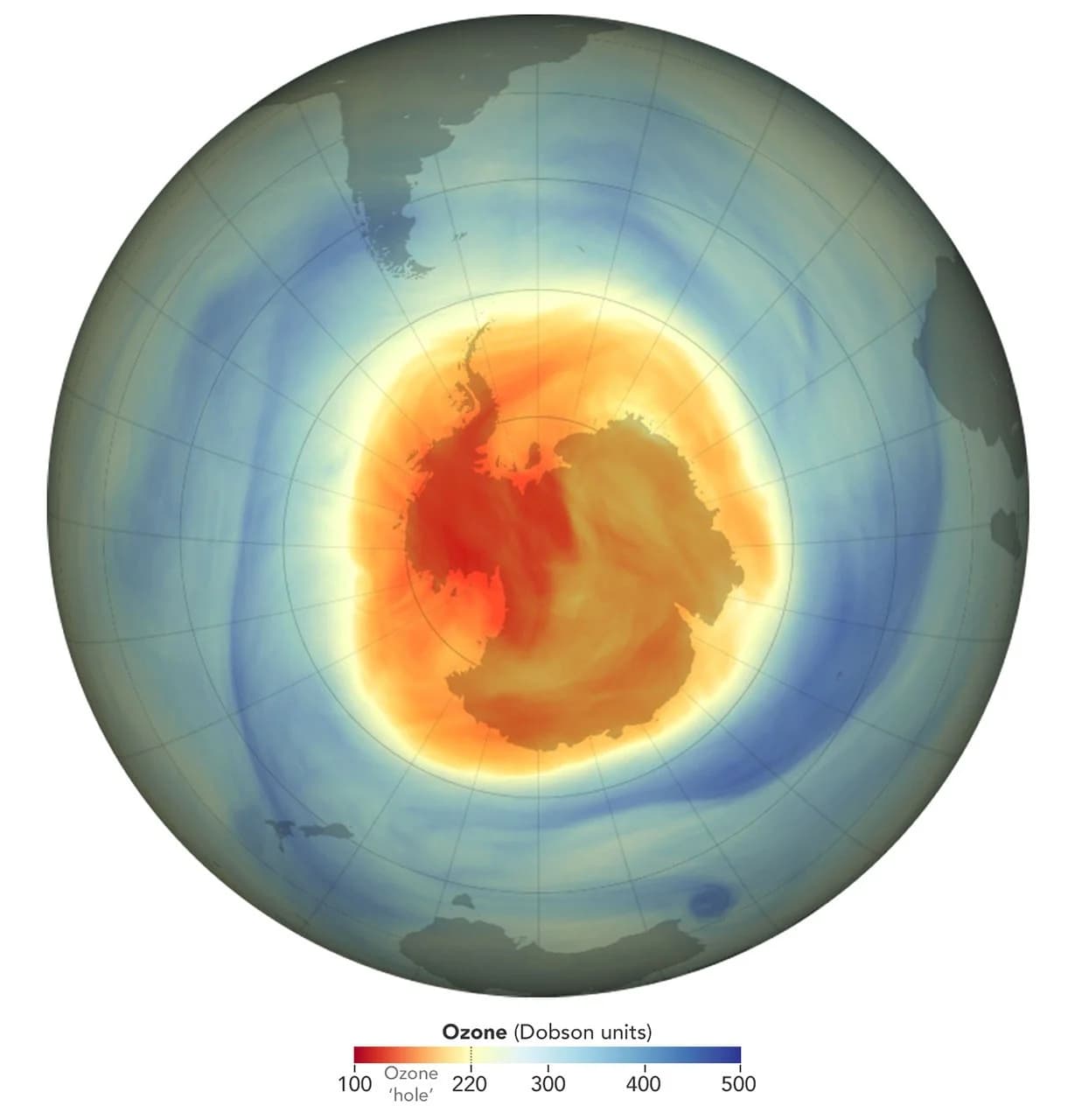
This is a MapMyTimes opinion piece. It responds to the 2026 Antarctic ozone hole, which, according to a joint assessment published by NASA and the US National Oceanic and Atmospheric Administration (NOAA) on 4 November 2026, reached its largest single-day extent of the year on 18 September 2026 and was the biggest in a decade. MapMyTimes reported the European Copernicus observations of the same hole on 29 November. Our view: the headline number deserves attention, not alarm, and the right response is to protect the science and the treaty that are quietly working.
What the numbers actually say
NASA and NOAA put the maximum one-day size at 27.1 million square kilometres on 18 September. Averaged over the peak season of 7 September to 13 October, the hole covered about 25 million square kilometres, making it the seventh largest in 48 years of monitoring. Those are big figures. But the same agencies stress that the hole was shallower than several large holes on record. The lowest ozone reading over the South Pole was 105 Dobson units on 17 October, against a record low of 92 Dobson units in October 2006.
The agencies blame the weather. An unusually large and strong polar vortex kept the coldest air in place, and weak planetary-scale waves in August and September failed to break it up. In that cold, chlorine and bromine from human-made chemicals destroyed ozone over a wider area for longer. Paul Newman, the scientist who has long led NASA's ozone research team at Goddard Space Flight Center, is quoted in the release saying plainly that "the ozone layer is healing."
Why we should not shrug, either
The opposite reading deserves a fair hearing. A hole roughly 90% the size of the 2000 record, appearing more than 35 years after the Montreal Protocol was agreed in 1987, can fairly be read as a warning that recovery is fragile and slow. Sceptics of the "good news" framing argue that if one strong vortex can produce the largest hole in ten years, the margin of safety is thinner than optimistic headlines suggest, and that people in the Southern Hemisphere live with the ultraviolet consequences each spring regardless of long-term trends. That concern is reasonable. A seasonal hole of this size is not a trivial event, and recovery that NASA and NOAA estimate will take until the 2070s leaves decades of exposure.
Where we part company with the alarmist reading is on cause. The agencies' evidence points to weather amplifying a declining chemical load, not to the treaty failing. According to NOAA scientist Stephen Montzka, cited in the release, chlorine from ozone-depleting substances in the Antarctic stratosphere has fallen by about one-third from its 1980s peak. Newman also points to the hole forming later in the season in recent years as a sign of healing.
What should follow
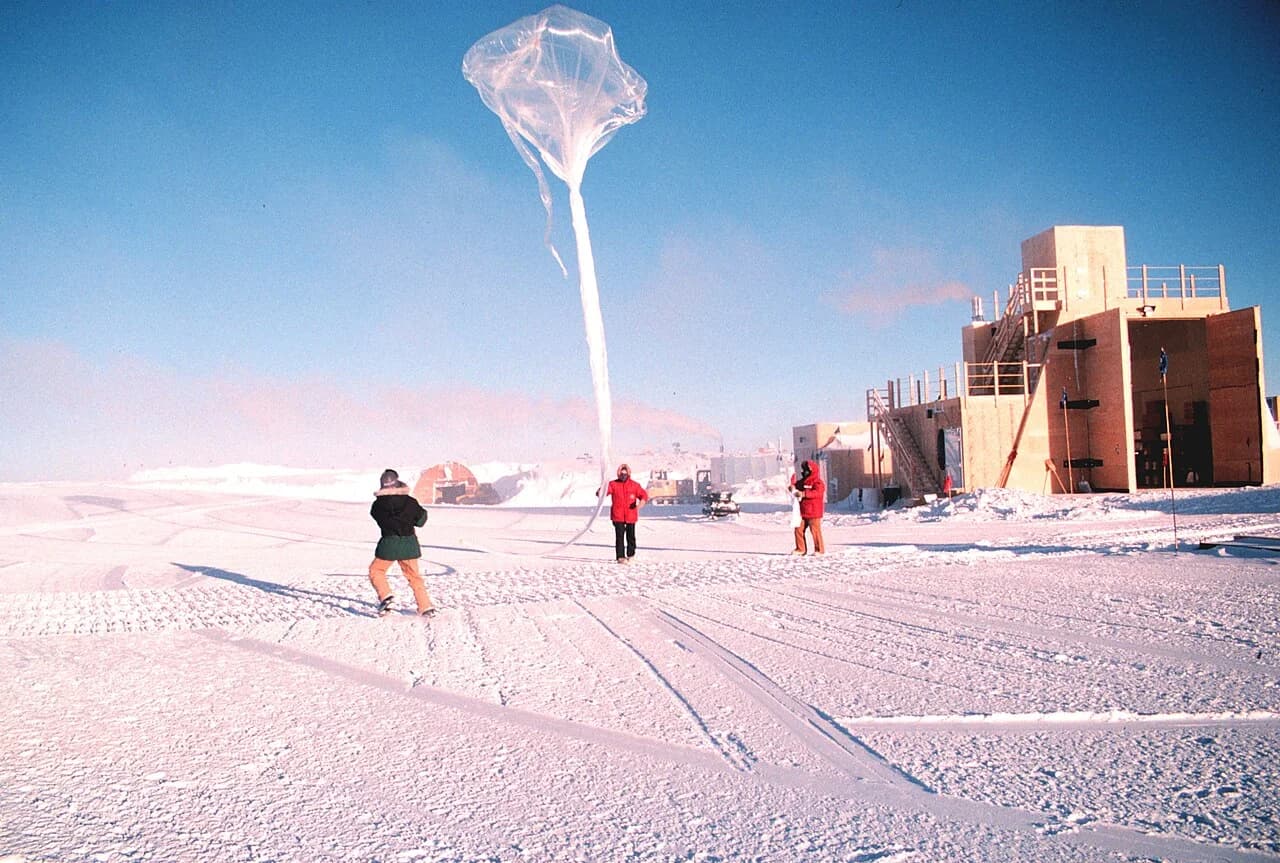
Three lessons stand out. First, keep measuring. The 2026 assessment rests on balloon-borne ozonesondes launched from NOAA's South Pole observatory, ground stations and satellites including NASA's Aura, NOAA-20, NOAA-21 and Suomi NPP, with satellite records going back to 1979. Long, continuous records are what allow scientists to separate a bad year from a bad trend. Budgets for such monitoring should be treated as essential infrastructure, not optional research.
Second, communicate size and depth together. A single area figure invites misreading in both directions. Agencies and newsrooms, including ours, should report how deep the depletion was and what drove it, alongside how wide the hole grew.
Third, guard the treaty's gains. The Montreal Protocol is the reason a bad weather year now produces a smaller, shallower hole than it would have at the 2000 peak of ozone-depleting chemicals. Its success depends on every country continuing to enforce controls and detect illegal emissions.
The 2026 ozone hole is a reminder that environmental recovery is measured in generations and can look like a setback in any single season. The sensible response is patience backed by data: fund the instruments, explain the numbers honestly, and keep the rules that are working in force.