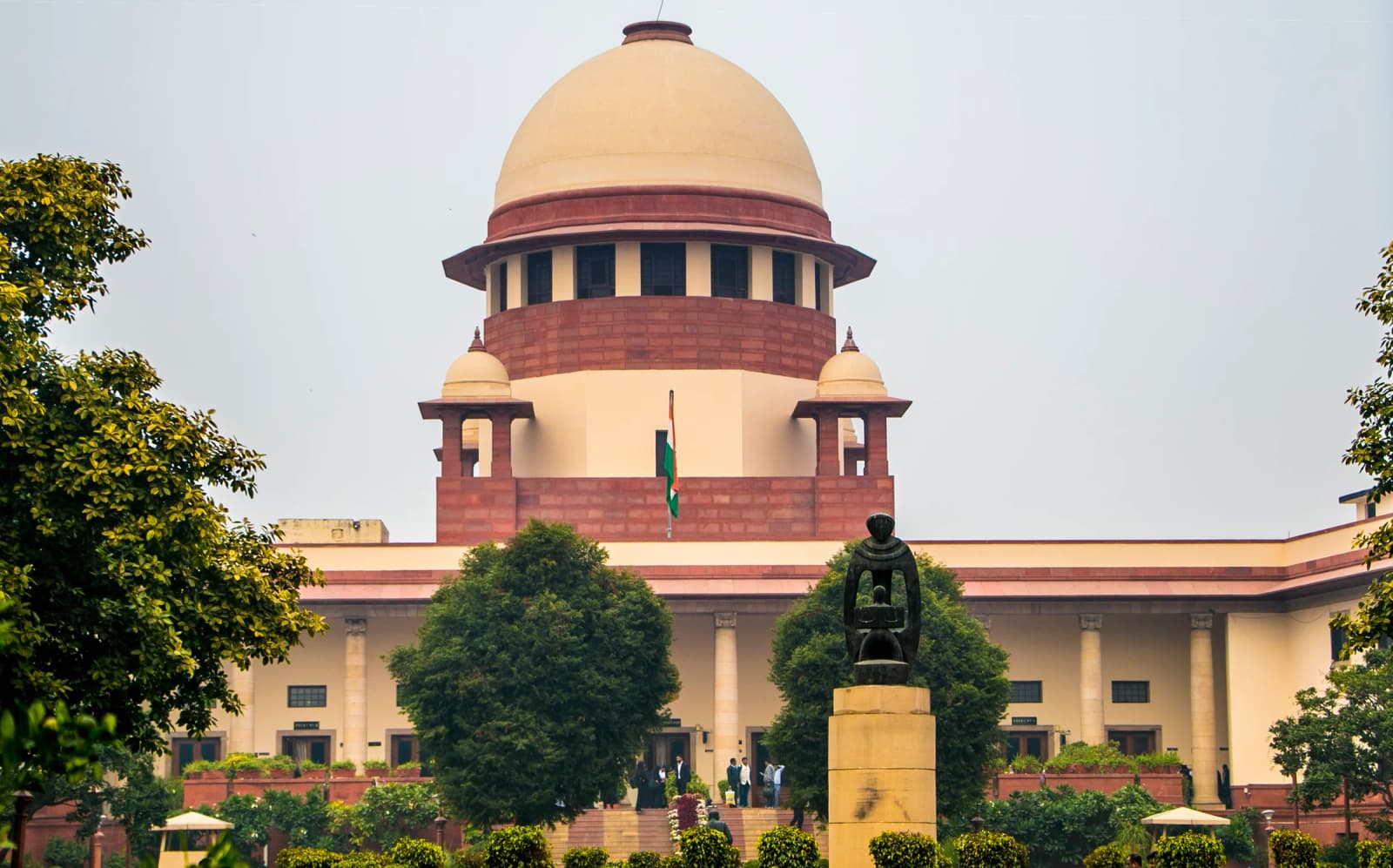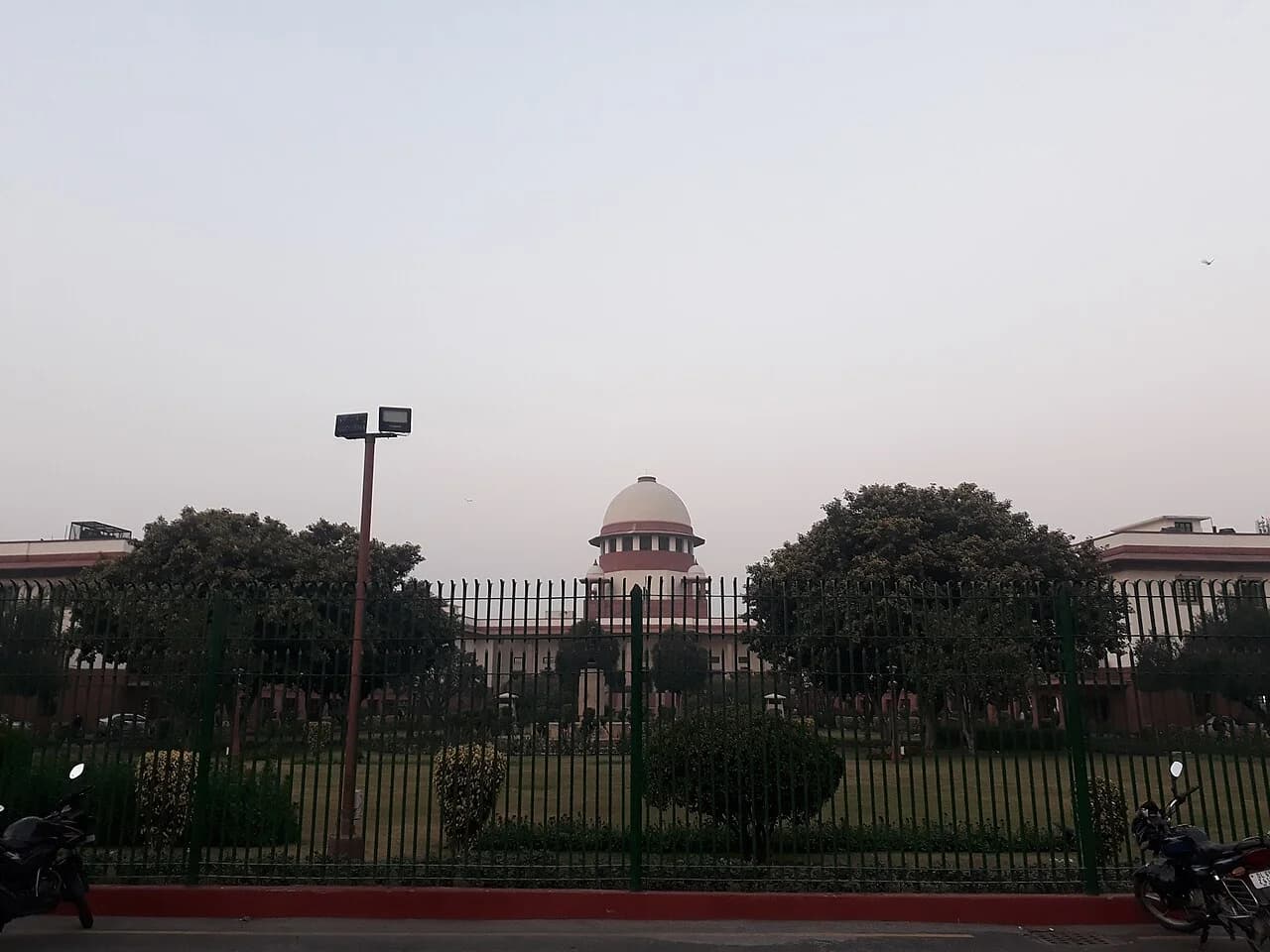
The Supreme Court of India ruled in New Delhi on 20 November 2026 that a soldier wounded when his own service weapon went off accidentally during a counter-militancy operation can be treated as a battle casualty and is entitled to the higher War Injury Element of pension. The court ordered the Centre to pay the enhanced pension to a retired Army Subedar Major from the date he retired.
A bench of Justices Satish Chandra Sharma and Nongmeikapam Kotiswar Singh allowed the appeal of Ex Sub Maj and Honorary Lieutenant Devi Singh, setting aside a 2023 decision of the Armed Forces Tribunal's Lucknow bench. The judgment, written by Justice Kotiswar Singh, is marked reportable.
What happened to the soldier?
He was shot in the left thigh on 7 August 2002 when his loaded weapon discharged accidentally while he was on duty with 31 Sub Area Signal Company in Jammu and Kashmir during Operation Rakshak and Operation Parakram. The bullet damaged his femoral vein and he was treated at 92 Base Hospital.
He served 33 years in all, from June 1985 to March 2019. A Release Medical Board in September 2018 found the injury linked to military service and assessed his disability at 40% for life. The Army granted him the ordinary Disability Element of pension, rounded up to 50%, from 1 April 2019, but not the higher War Injury Element under Regulation 103 of the Pension Regulations for the Army.
Why the tribunal said no
The tribunal accepted that the disability was caused by service but turned down the war-injury claim mainly because the Adjutant General's Branch (MP-5) had never given final battle-casualty approval and his name did not appear in a later digital database. The original court of inquiry file and unit records could not be produced; according to the Army, they were destroyed in the 2014 floods while in official custody.
Before the Supreme Court, the Additional Solicitor General argued that only MP-5 could confer battle-casualty status and that, without the primary records, it could not be shown that the soldier was actually engaged in operations against militants when the gun went off.
What the Supreme Court held
The bench drew a line between an injury caused by one's own weapon and a self-inflicted one. Army rules exclude self-inflicted wounds from battle-casualty status, but the court said the fact that the bullet came from the soldier's own gun says nothing about intention. A weapon can go off through an impact, a fall, a snagged trigger, accidental pressure or a mechanical fault, it noted.
- A Part II Order of 16 December 2002, issued under the heading "Battle Casualty Wound Op Rakshak Op Parakram", recorded the discharge as accidental and on duty.
- A 2015 certificate from Signals Records expressly classified the injury as a battle casualty, and was never withdrawn.
- A severity certificate approved at Command level graded the wound "grievous".
Together, the court held, these records met both tests in paragraph 69 of Army Order 1/2003/MP, which specifically covers gunshot wounds "sustained accidentally" during operations against militants, provided the injury is at least grievous. It also placed the case within clause (h) of Category E of Regulation 82, which covers action against extremists.
"The appellant, therefore cannot be made to suffer for no fault on his part."
On the missing records, the judges said the loss of files in official custody could not be held against the soldier, and that a missing entry in a later database was "merely the absence of further corroboration", not evidence against the surviving signed records.
What happens next
The Centre must sanction the War Injury Element from his date of retirement, adjusting the Disability Element already paid for the same period to avoid double payment. A revised Pension Payment Order and the net arrears must be issued within three months of the judgment.
The ruling is likely to matter to other veterans whose battle-casualty claims stalled because records were lost or a final administrative approval never came, since the court said surviving contemporaneous Army records must be given due weight.
Photo source · Pinakpani, CC BY-SA 4.0