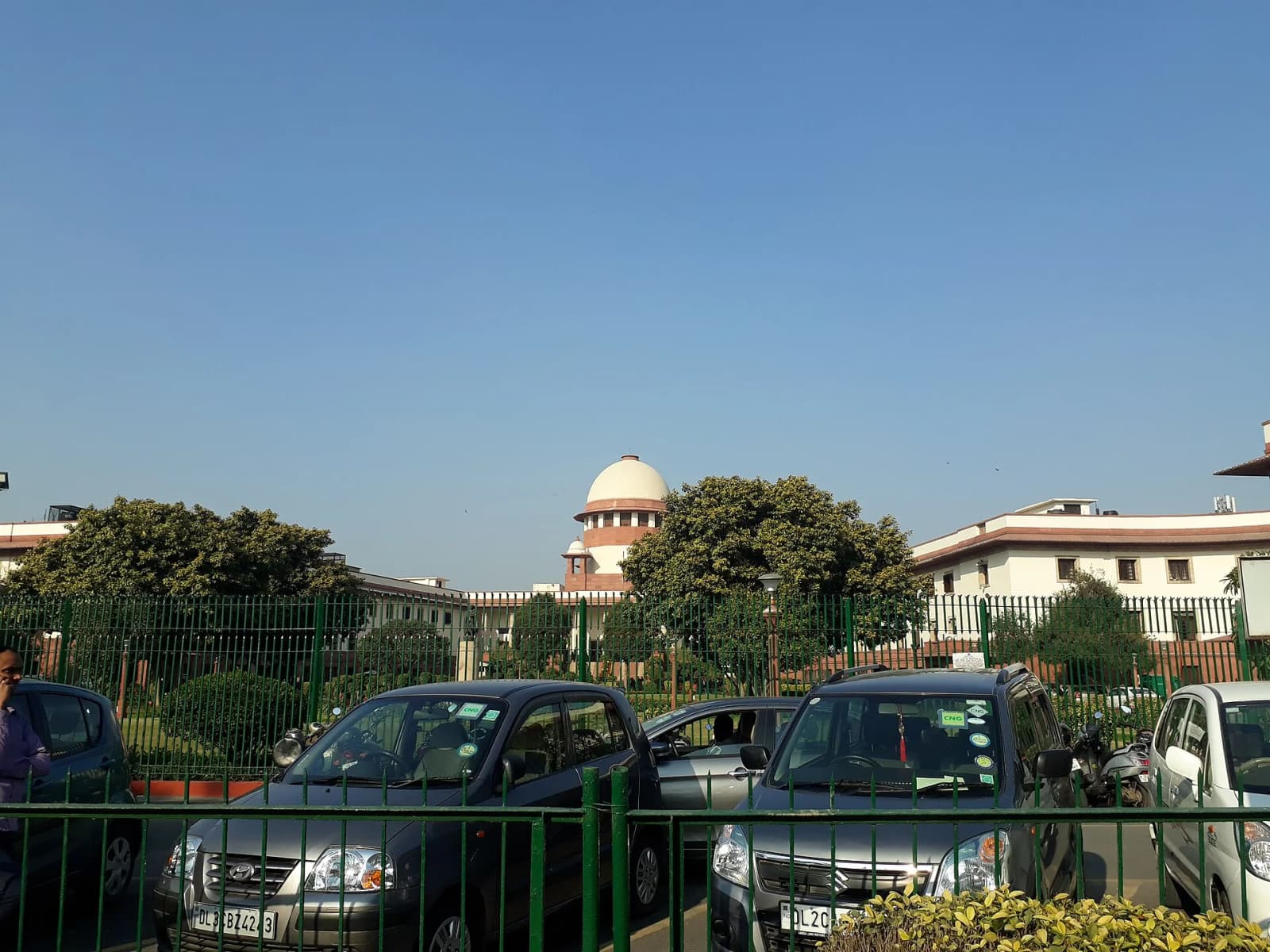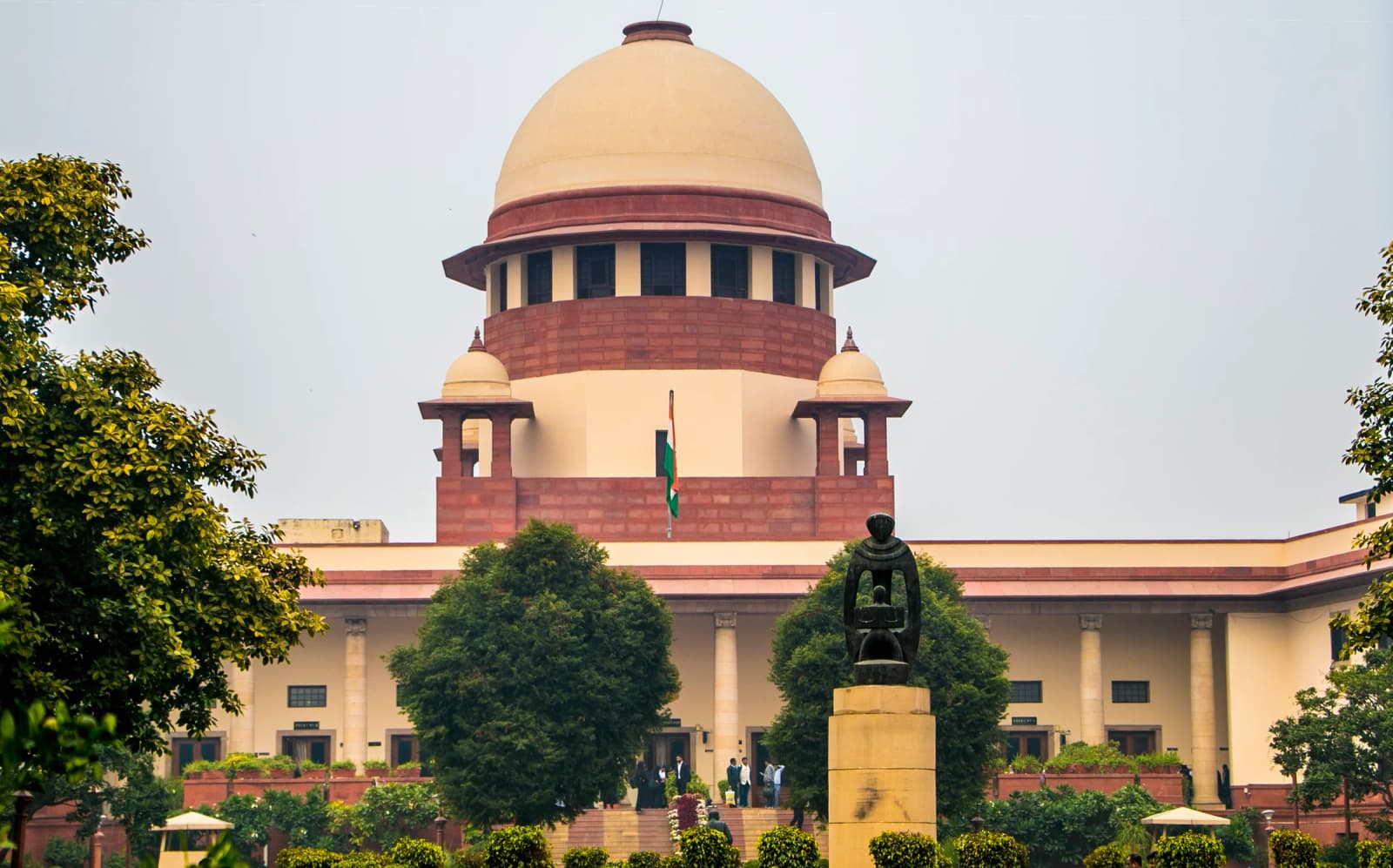
The Supreme Court of India on 20 November 2026 dismissed a public interest petition that sought to push Tamil Nadu towards an inter-state water tribunal over the Shenbagavalli weir, an old diversion structure inside the Periyar Tiger Reserve in Keralam's Idukki district. A bench of Chief Justice of India Surya Kant, Justice Joymalya Bagchi and Justice V. Mohana declined to entertain the plea in New Delhi.
The petition, Ananthan Ayyasamy v. Union of India and Others (Writ Petition (Civil) No. 1342 of 2026), was listed as item 19 before the Chief Justice's court, according to the Supreme Court's daily cause list for 20 November 2026. The Union government and the states of Tamil Nadu and Keralam were named as respondents, according to legal news reports.
What did the petitioner want from the court?
The petitioner wanted the court to direct Tamil Nadu and Keralam to sit together and agree on a way to restore the weir and repair the Kanyamadugu channel up to the Tamil Nadu border. As a fallback, if the two states failed to agree within a deadline fixed by the court, the plea asked that Tamil Nadu be told to request the Union government to refer the dispute to a tribunal under Section 3 of the Inter-State River Water Disputes Act, 1956, LiveLaw reported.
Senior Advocate Srinath Sridevan, appearing for Ananthan Ayyasamy, argued that the relief was limited to a mandamus, a court order directing an authority to perform a duty, requiring Tamil Nadu to make that request. He pointed to the Supreme Court's earlier view that the Periyar is an inter-state river.
Why did the Supreme Court refuse?
The bench held that it could not order a state to begin litigation. Chief Justice Surya Kant observed that the matter was an inter-state dispute, and Justice Bagchi remarked, "We cannot pass a mandamus initiating a litigation," according to reports by LiveLaw and LawChakra.
The judges suggested that the petitioner take up the issue with the Tamil Nadu government. Mr Sridevan replied that this had already been done, but the bench was not persuaded and dismissed the petition.
Under Section 3 of the 1956 law, it is a state government that may ask the Centre to refer a water dispute to a tribunal, when it believes a dispute exists or is likely to arise and that its interests or those of its residents are likely to be affected.
What is the Shenbagavalli weir?
The weir is a small diversion structure at the meeting point of two streams, Puliampattithodu and Chokkampattithodu, in the core area of the Periyar Tiger Reserve near the Tamil Nadu border. It sends water into the Kanyamadugu channel, which feeds irrigation tanks in Sivagiri taluk of Tamil Nadu.
The system is believed to date back to the 18th century, and it has been largely non-functional for decades after flood damage. Restoration has been stuck for years, partly because of environmental concerns and the clearances needed for work inside a tiger reserve, the reports said.
Why it matters
The order makes clear that the top court will not use a public interest petition to trigger formal inter-state water proceedings that the law leaves to state governments. It came on the same day the court turned down Tamil Nadu's pleas for extra Cauvery water from Karnataka, a separate case MapMyTimes reported on: Cauvery row: Supreme Court dismisses Tamil Nadu's pleas.
What happens next
With the petition dismissed, any revival of the Shenbagavalli weir now depends on talks between Tamil Nadu and Keralam, a decision by Tamil Nadu on whether to seek a tribunal, and environmental clearances for work in the Periyar Tiger Reserve. Neither state government's response to the order had been reported at the time of writing.
Photo source · Subhashish Panigrahi, CC BY-SA 4.0