The Supreme Court on 23 November 2026 barred the Tamil Nadu government from taking any coercive action against SASTRA University over 31.37 acres of government land in Thanjavur, making absolute its earlier interim stay and listing the university's appeal for final hearing. The bench of Chief Justice of India Surya Kant and Justices Joymalya Bagchi and V. Mohana passed the order, according to the Press Trust of India (PTI) and the legal news site Verdictum.
The case is Shanmugha Arts, Science, Technology & Research Academy (SASTRA) v. State of Tamil Nadu. SASTRA is a private deemed university at Thirumalaisamudram in Thanjavur district.
What did the Supreme Court decide?
The court made its interim stay absolute, which means the protection against eviction and demolition will stay in place until the case is finally decided. "Yes, it is made absolute," the bench said, noting that an interim stay already existed, Verdictum reported. The court granted leave to appeal, asked the state government to file its reply, and listed the matter for final hearing on merits. No date for the final hearing was reported.
The bench recorded that, despite repeated orders, it had been told the state had again decided not to settle the dispute amicably, according to Verdictum.
What is the dispute about?
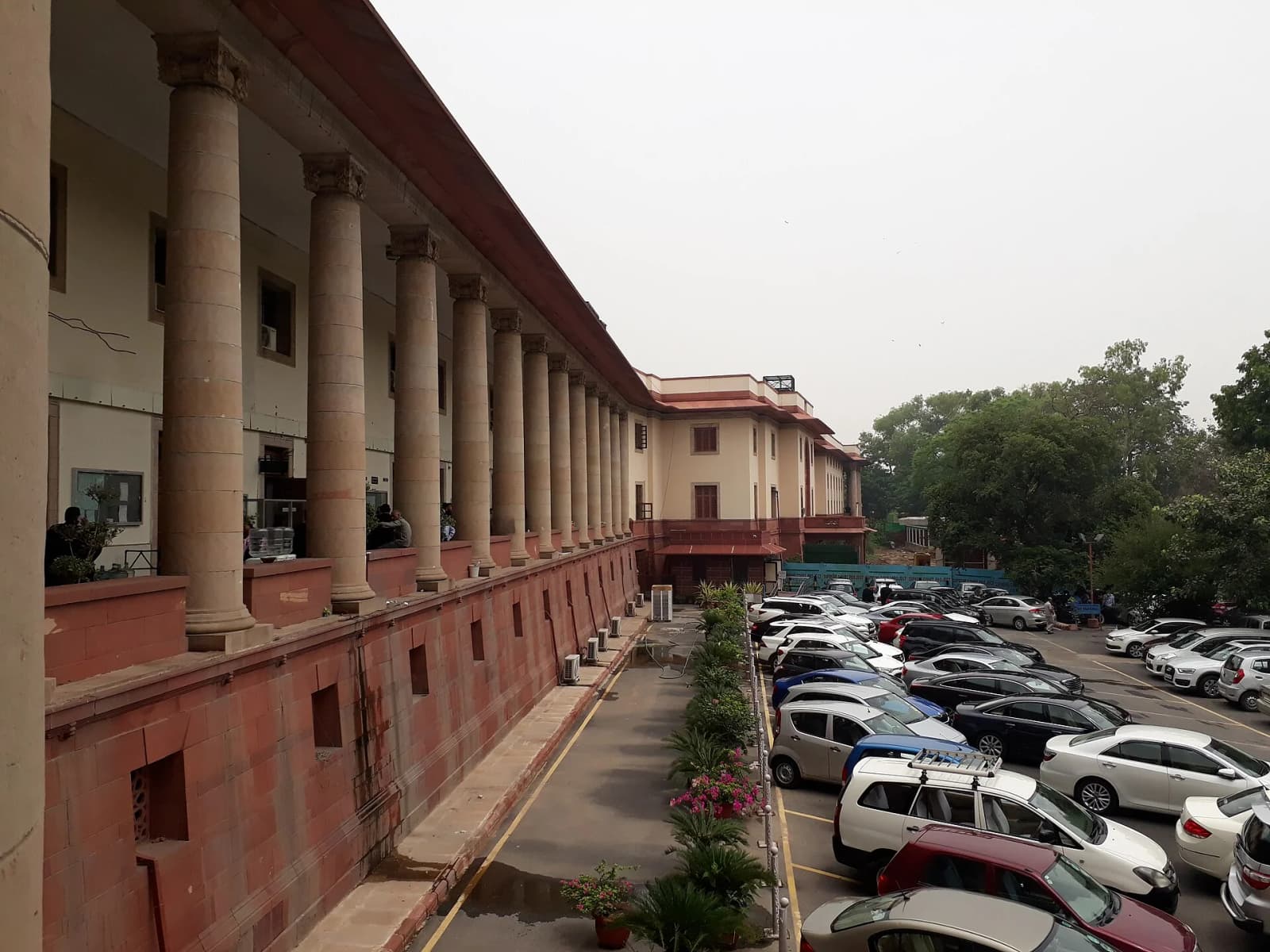
The Tamil Nadu government says the university has occupied 31.37 acres of government land without authorisation. SASTRA says the land lies between and next to its own patta land and is part of its campus, with academic buildings, hostels, utilities and access roads, Verdictum reported.
- In February 2022 the state issued an eviction notice after rejecting the university's representations.
- On 9 January 2026 the Madras High Court dismissed SASTRA's petitions and directed eviction within four weeks.
- On 15 January 2026 the Supreme Court stayed that eviction order and said the state should not make the matter a "prestige issue".
- On 21 September the Supreme Court asked the state to consider accepting suitable alternative land instead of the 31.37 acres.
What did each side argue?
Senior advocate Jaideep Gupta, appearing for Tamil Nadu, told the court the state wanted its land back and did not want an amicable resolution, PTI reported. He said the university was sitting on "a huge chunk of government land", according to Verdictum.
Senior advocates Mukul Rohatgi and Abhishek Manu Singhvi appeared for SASTRA. The university said it was ready to offer alternative land and compensation. Verdictum reported that it had suggested depositing ₹22 crore for its occupation of the land and offered three alternative plots totalling about 30 acres.
The bench noted that the land is being used by an educational institution serving a public purpose and questioned the state's insistence on eviction and demolition, PTI reported.
Why it matters
The order means classes and hostels on the disputed land can continue while the case is pending. The final ruling will decide whether the state can take back land used by a large private university, or whether alternative land and payment can settle the matter.
What happens next
The Tamil Nadu government has to file its counter affidavit to SASTRA's appeal. The Supreme Court will then hear the case on its merits. Until then, the state cannot take coercive steps against the university over the land.