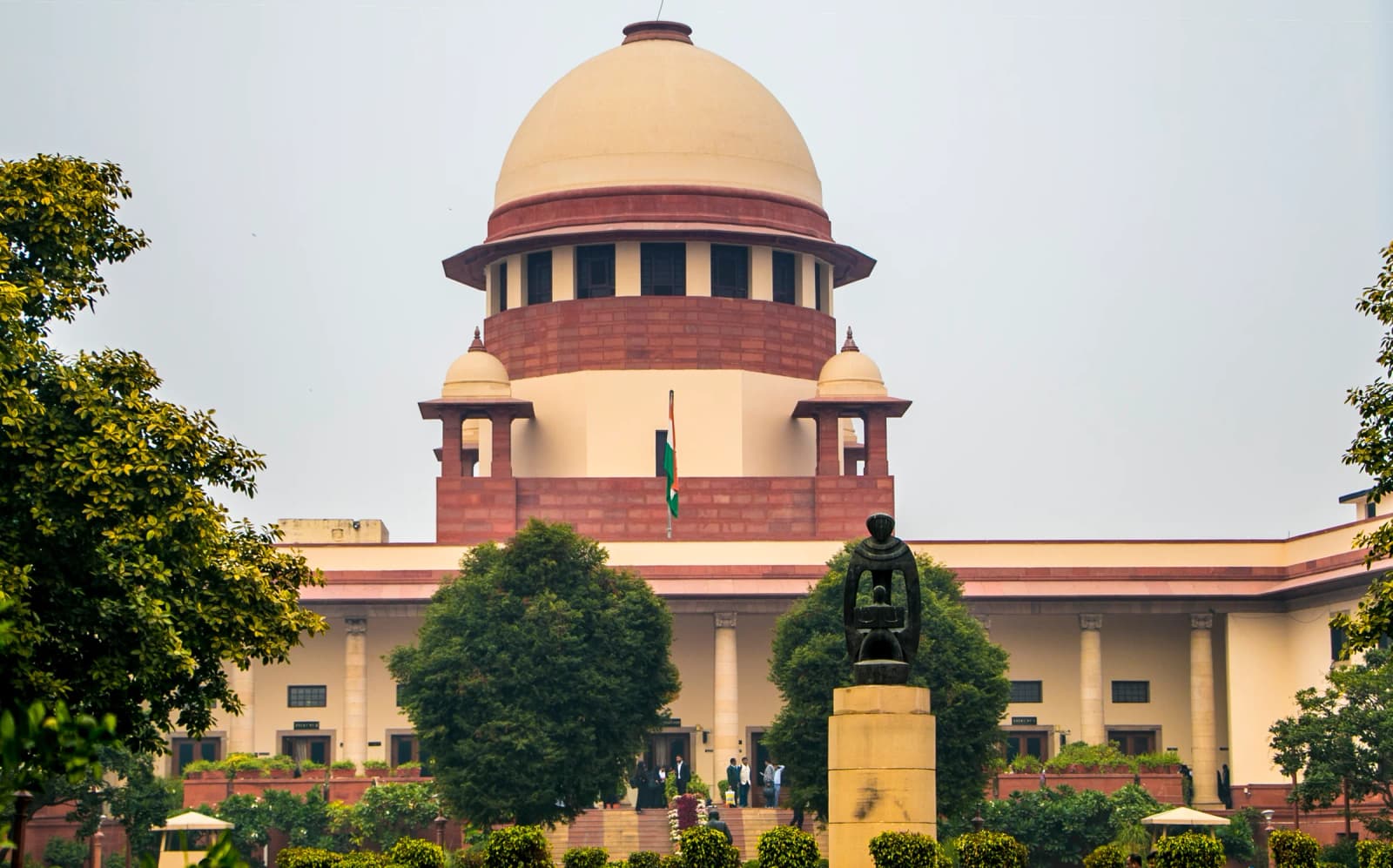
The Supreme Court of India on 18 November 2026 ruled in New Delhi that its April 2026 directions to clear encroachments from national highways cannot be used by the National Highways Authority of India (NHAI) and other authorities to demolish disputed structures without following the procedure laid down by law. A bench of Justice Vikram Nath and Justice Aparesh Kumar Singh sent dozens of landowners who are challenging removal notices, most of them along National Highway 48 in Gujarat, to their jurisdictional High Courts, and barred demolition of their structures until those courts decide.
What did the Supreme Court clarify?
The court clarified that its directions of 13 April 2026 did not decide whether any particular building is an encroachment. In its order, the bench said the directions "cannot be invoked as an independent justification for dispensing with the requirements of the statute". It added that a property owner's mere claim of ownership cannot stop the authorities from removing genuine encroachments, but "equally, the mere assertion by the authorities that a particular structure falls within the Right of Way cannot be treated as a substitute for the determination required under law" where that claim is disputed.
What were the April directions?
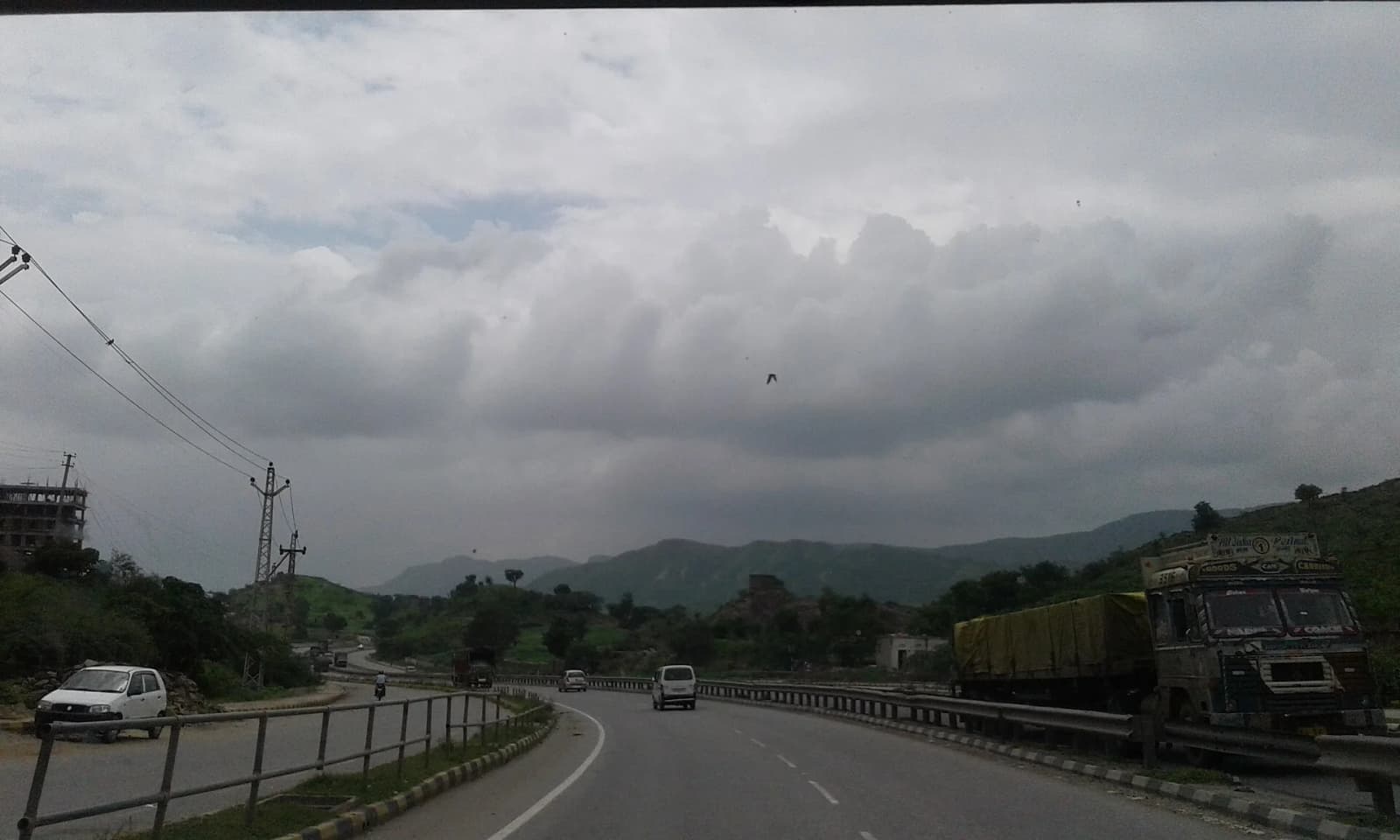
The directions were issued in a suo motu case titled In Re: Phalodi Accident v. National Highways Authority of India, which the court took up on road safety. According to the order, they prohibited any new dhaba, eatery or commercial structure within the Right of Way of a national highway, asked District Magistrates to remove unauthorised structures within 60 days in line with the Control of National Highways (Land and Traffic) Act, 2002, and required a District Highway Safety Task Force in every district a national highway passes through. NHAI was also told to run a toll-free number, 1033, for encroachment complaints and conduct drone surveys at least twice a year.
Who went to court, and why?
The applicants said they own the land on which the targeted structures stand, and that NHAI treated their buildings as encroachments without properly marking out the Right of Way or giving them a fair chance to prove their claims. The order lists landowners from Valsad and Navsari districts in Gujarat, including a hotel owner who challenged an NHAI notice dated 22 August 2026, as well as businesses such as Arihant Petroleum and National Tyre Services. Some had first approached the Gujarat High Court and were allowed to seek a clarification from the Supreme Court. The court had ordered status quo in several of these cases on 8 September, 22 September and 6 October 2026.
NHAI argued that it was acting under the April directions in the interest of road safety, that notices had been issued under the 2002 Act, and that its measurements showed the structures were inside the Right of Way.
Why does this matter?
The ruling sets a limit on how a nationwide clean-up drive is carried out. Highway authorities may keep removing encroachments, but where ownership, boundaries or land acquisition are disputed, they must follow the statute and give affected people a hearing. The bench said such questions may need examination of revenue records, acquisition proceedings and survey reports, which High Courts are better placed to do.
What happens next?
The applicants can now approach their jurisdictional High Courts, which the Supreme Court asked to decide the cases "as expeditiously as possible". Existing interim protection continues, and where none was granted, NHAI cannot demolish the disputed structures until the High Courts rule. The protection covers only the structures in these applications and does not permit fresh construction. The April directions otherwise stay in force, and the main case will be listed later.
Photo source · Skyp1993, CC BY-SA 4.0