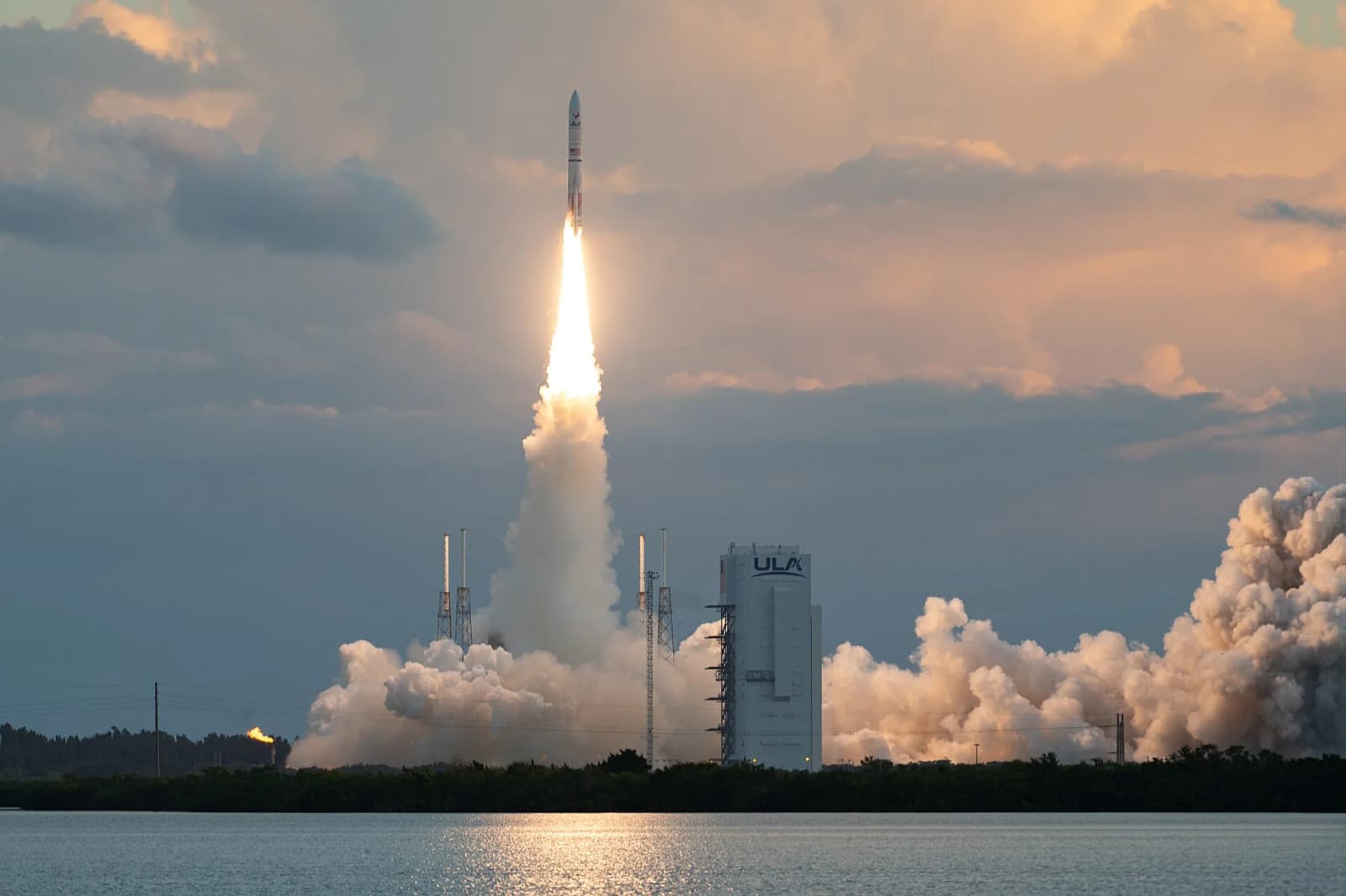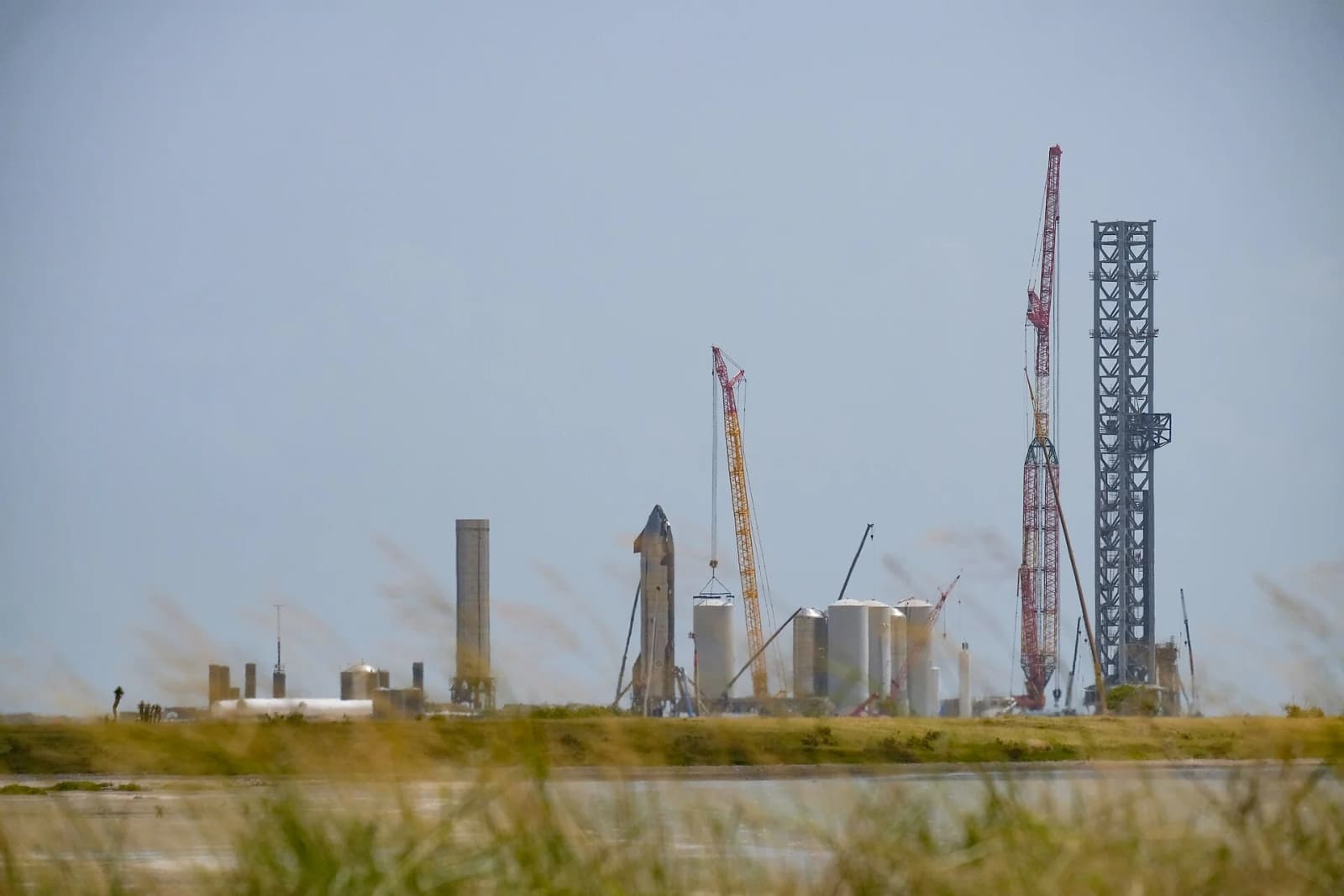
SpaceX's fifteenth Starship test flight lifted off from Starbase in Texas on Friday, 13 November 2026, and put its upper stage into orbit with a full load of 26 Starlink satellites. The other half of the mission's headline goal slipped away within minutes, however: the Super Heavy booster was steered away from a planned catch at the launch tower and came down in the Gulf instead.
Liftoff came at about 4:47 pm Central time (22:47 UTC) from Starbase, according to Space.com's live coverage and other launch-day reports. In India it was early on Saturday morning, a little after 4:15 am IST.
Booster diverted from the tower
SpaceX had hoped to catch Booster 22 with the giant "chopstick" arms of the launch tower. That would have been the first catch of a third-generation (V3) Starship booster. Instead, the company posted that Super Heavy had "diverted to an offshore splashdown in the Gulf". Space.com reported that Booster 22 came down in the Gulf of Mexico after the catch was aborted.
SpaceX has not said why the catch was aborted. "We'll dig in to what caused that abort during its flight back to the tower," SpaceX spokesperson Dan Huot said on the company's launch webcast, as quoted by Space.com. Because the booster was not recovered, the flight can no longer achieve its planned "double catch" of both stages.
Ship 42 reaches orbit and deploys Starlinks
The upper stage, Ship 42, had a cleaner day. All six of its Raptor engines lit during stage separation. After a systems check on a suborbital path, SpaceX called "go for orbit", and the ship fired a single Raptor briefly to settle into an orbit roughly 275 km above Earth. "We've got a nominal orbit insertion, so Starship now in orbit around Earth for the second time ever," Huot said. The first time was on Flight 14 in September, Space.com noted.
It then released its cargo. "Payload deploy complete. All 26 @Starlink V3 satellites are in orbit," SpaceX posted. Space.com reported that the last of the 26 satellites was out by the 1-hour, 17-minute mark. Flight controllers then chose not to use the first "early return" option, which would have ended the flight with an ocean splashdown off Hawaii. Huot said this made it the longest Starship mission flown so far.
First attempt to catch a Starship upper stage
The biggest test is still to come. SpaceX plans to bring Ship 42 back to Starbase on Saturday, 14 November, and try to snatch it out of the air with the tower arms, something it has never done with an upper stage.
According to the mission timeline cited in launch coverage, the deorbit burn is expected at about 20:23 UTC on Saturday, re-entry at around 20:58 UTC and the tower catch at about 21:20 UTC. That is close to 2:50 am IST on Sunday, 15 November. All times are approximate.
The return depends on a series of health checks. The ship has passed two of three planned checkpoints, and the third falls about 20 hours and 41 minutes into the flight. SpaceX's flight plan, as described in launch coverage, lists conditions that would trigger an early deorbit, including problems with Raptor engine health, power or communications, the flight computer and sensors, propellant tanks and feedlines, tank pressure and attitude control.
If everything holds, the ship will re-enter over the Pacific Ocean and use its four control flaps to fly over sparsely populated parts of northern Mexico and southern Texas toward Starbase. A backup splashdown area in the Gulf is available if a problem arises before the catch. Residents of Cameron County and nearby areas may hear one or more sonic booms during the final approach, depending on the weather.
Why it matters
Catching both stages of the rocket and flying them again is central to SpaceX's plan to make Starship fully reusable. Flight 15 was meant to be the first attempt to bring back and catch both the booster and the ship. Losing the booster means that milestone will have to wait. A successful ship catch on Saturday would still be a first for the programme.
PS · Lars Plougmann, CC BY-SA 2.0