Investor complaints pending on the Securities and Exchange Board of India's (SEBI) online grievance system SCORES fell to 5,899 at the end of October 2026 from 6,509 a month earlier, according to data the market regulator published on 19 November 2026. Only two entities had complaints pending for more than three months.
What do the October numbers show?
The backlog shrank by 610 complaints in October because more cases were closed than came in. SEBI's data shows 5,365 new complaints were received during the month and 5,975 were disposed of.
Entities took an average of 9 days to send investors an Action Taken Report (ATR) in October, while first-level review complaints were answered in an average of 4 days, the regulator said.
The pending figure is not the same as unresolved grievances. SEBI notes that it includes complaints where the company or designated body has already filed its ATR on time, but the case is kept open so the investor can still escalate it if dissatisfied.
Which entities had complaints pending for over three months?
SEBI's separate list of long-pending cases named two entities, each with one complaint older than three months as of 31 October 2026: KFin Technologies, listed as a registrar and share transfer agent, and Kitply Industries, a listed company, in the category covering dividends, share transfers, transmission, duplicate shares and bonus shares.
The list does not describe the complaints or say why they remain open.
How does SCORES 2.0 handle a complaint?
Under SCORES 2.0, a complaint is forwarded automatically to the entity concerned, which has 21 days to submit its ATR to the investor, according to the workflow SEBI published with the data. An investor who is not satisfied can seek a first-level review within 15 days which is taken up by a designated body.
If the investor is still unhappy, a second-level review can be sought within another 15 days, and SEBI itself then takes up the complaint. A complaint is treated as disposed of if the investor does not seek a review, or if the investor opts for the Online Dispute Resolution (ODR) mechanism instead.
Why does it matter for investors?
The monthly figures are one of the few public measures of how quickly listed companies, brokers, registrars and other market intermediaries respond to retail investors. A short list of entities with complaints older than three months also puts names in the public domain, so investors can see which entities have cases outstanding.
The October data comes in the same week SEBI Chairman Tuhin Kanta Pandey set out the regulator's priorities at the CII Financing Summit in Mumbai.
What next?
SEBI publishes these figures every month, so the November numbers should show whether the backlog keeps falling. Investors with a grievance against a listed company or intermediary can file it on SCORES and track the 21-day ATR deadline and review windows described above.
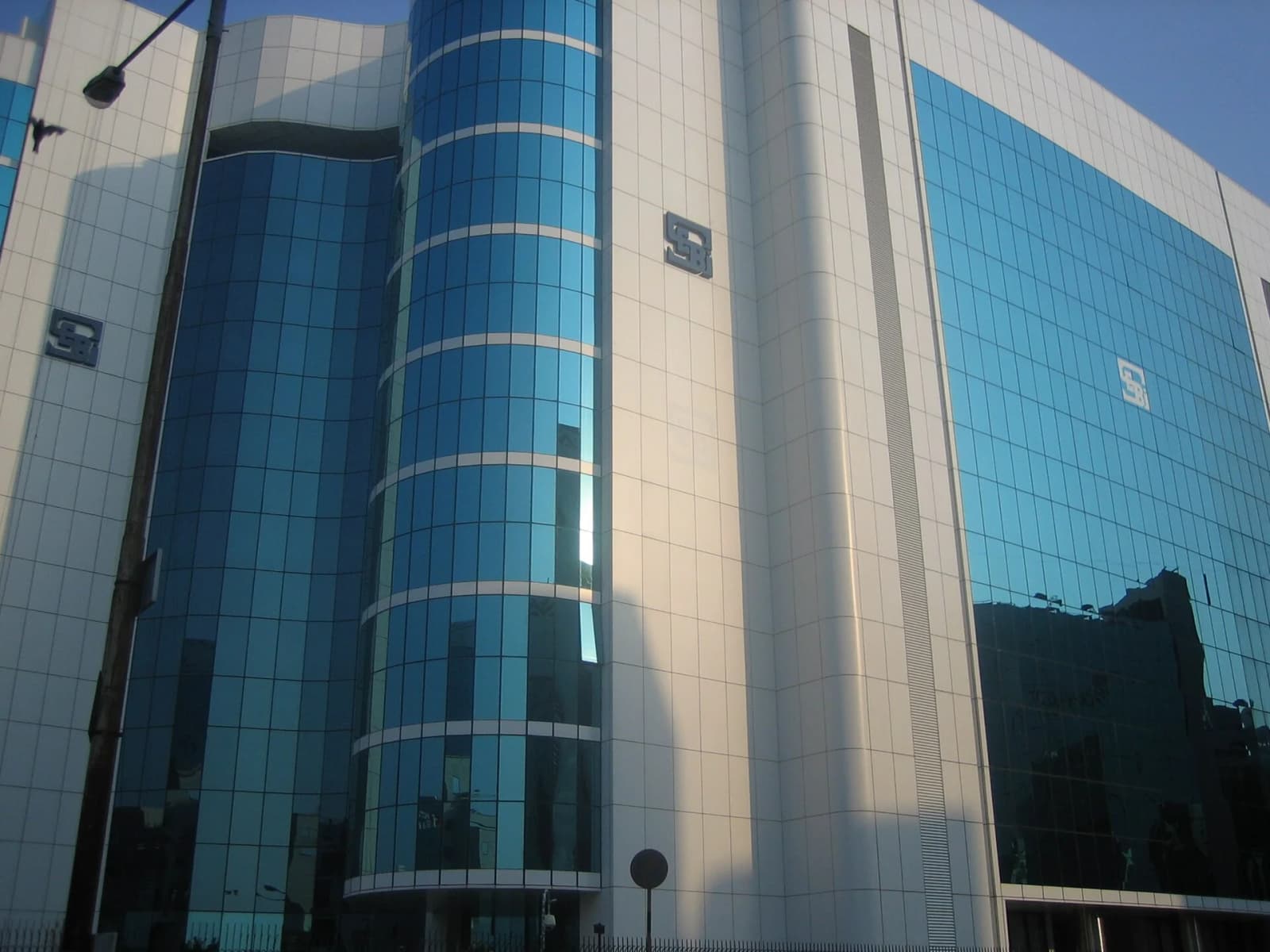
Photo source · Jimmy vikas, CC BY-SA 3.0