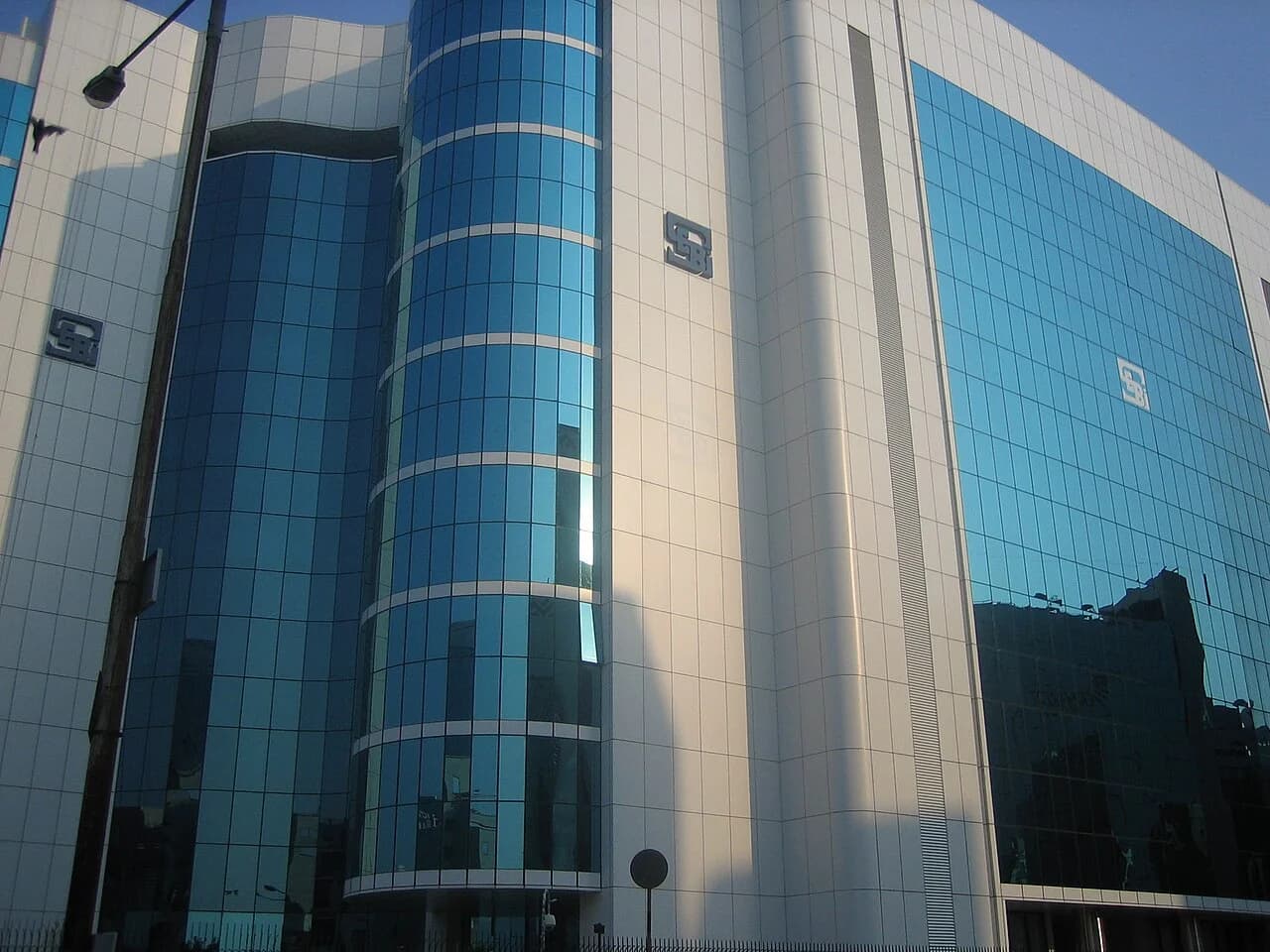
The Securities and Exchange Board of India (SEBI) has begun a full review of the rules that govern initial public offerings, follow-on offers, preferential issues and qualified institutional placements, its Chairman Tuhin Kanta Pandey said in Mumbai, Maharashtra, on 20 November 2026. Speaking at the Confederation of Indian Industry (CII) Financing Summit 2026, he set out five reform priorities for the next phase of India's capital markets.
The text of the address published by SEBI was titled "Building Capital Markets for Growth: Scale, Stability and Trust".
What are SEBI's five priorities?
Pandey listed five areas: simpler access to capital and compliance, a deeper corporate bond market, easier patient risk capital, stronger financing through real estate and infrastructure investment trusts, and the use of technology for smarter regulation.
- Simpler fundraising: SEBI is reviewing the Issue of Capital and Disclosure Requirements (ICDR) framework, the SME IPO framework and the Innovators Growth Platform. Under its review of the Listing Obligations and Disclosure Requirements (LODR), it is identifying disclosures that listed companies already make under Ministry of Corporate Affairs rules, to end duplicate reporting.
- Single fine: A single-fine mechanism is being introduced so that the same lapse by a listed company is not penalised separately by more than one stock exchange.
- Bonds: SEBI is working with the Reserve Bank of India (RBI), the Ministry of Finance and market participants on a market-making framework to improve secondary-market liquidity in corporate bonds, and has proposed a Fixed Income Channel Partners framework to widen distribution.
- Alternative Investment Funds (AIFs): Rules on investor consent, related-party transactions, co-investment limits and exits are under review.
- REITs and InvITs: The regulator wants to cut public-issue listing timelines for these trusts from six working days to three and simplify their rights issues.
- Technology: SEBI is extending its AI-based R(AI)DAR tool to check advertisements of more intermediaries and is exploring a domestically governed AI model for the securities market.
How big have India's capital markets become?
According to figures in the speech, companies have raised about ₹9 trillion through equity and debt markets in the first seven months of FY27, close to the average annual total of about ₹10 trillion over the past decade. So far in FY27, 235 IPOs have raised around ₹1.45 trillion and companies have raised more than ₹5 trillion through corporate bonds.
Mutual funds manage roughly ₹83 trillion, more than 15 crore unique investors participate in the securities market, and equity market capitalisation is above ₹500 trillion, as of 19 November at BSE. Outstanding corporate bonds stood at ₹62 trillion in August 2026, nearly 55% of bank credit to industry and services, the speech said, citing the RBI's October Bulletin.
What changes for foreign investors?
Pandey said about 740 foreign portfolio investors (FPIs) have registered under the SWAGAT-FI route, accounting for 17% of FPI assets under custody as of 31 October. From 1 December, KYC review cycles for applicable FPIs will lengthen from one and three years to two and eight years respectively, and SEBI is working to cut FPI onboarding time to as little as five business days.
He also said SEBI intends to consult on aligning some FPI compliance requirements with major global jurisdictions. On the same day, SEBI published a consultation paper on reviewing the additional disclosure framework for FPIs, which MapMyTimes reported here.
Why does it matter?
The proposals aim to lower the cost and time of raising money for Indian companies while keeping safeguards in place. Pandey described SEBI's approach as "Optimum Regulation" — rules proportionate to risk and simple to follow. He urged CII and other industry bodies to help promising businesses prepare for market-based financing, adding that companies must use investors' money judiciously and maintain high governance standards.
On investor awareness, he said SEBI's "Samajh Se Investing Simple" campaign under Project Jagrook, run in 13 languages, has drawn around 37 crore views on social media.
What happens next?
Most measures are at review or proposal stage, and detailed changes are expected to come through consultation papers before SEBI's board approves final rules. The FPI KYC change takes effect on 1 December 2026.
Photo source · Jimmy vikas, CC BY-SA 3.0