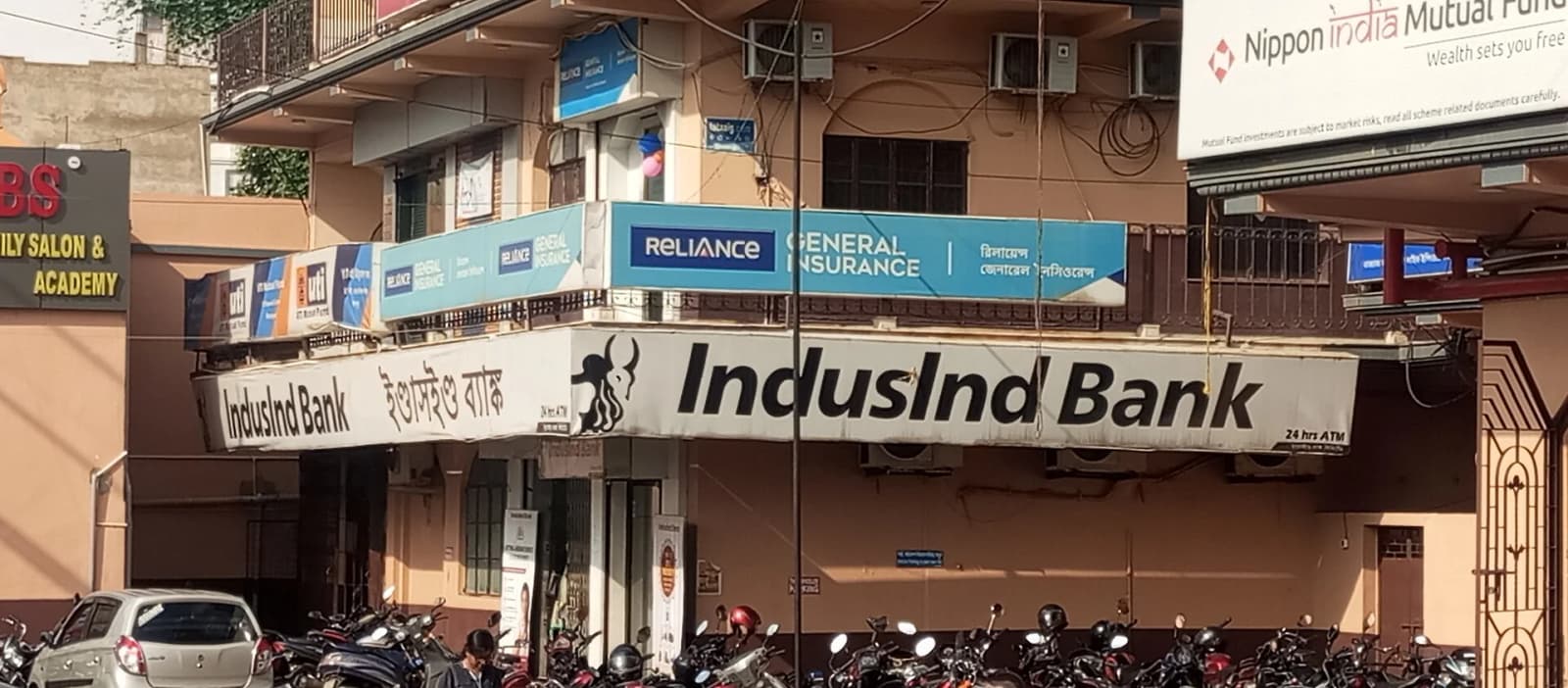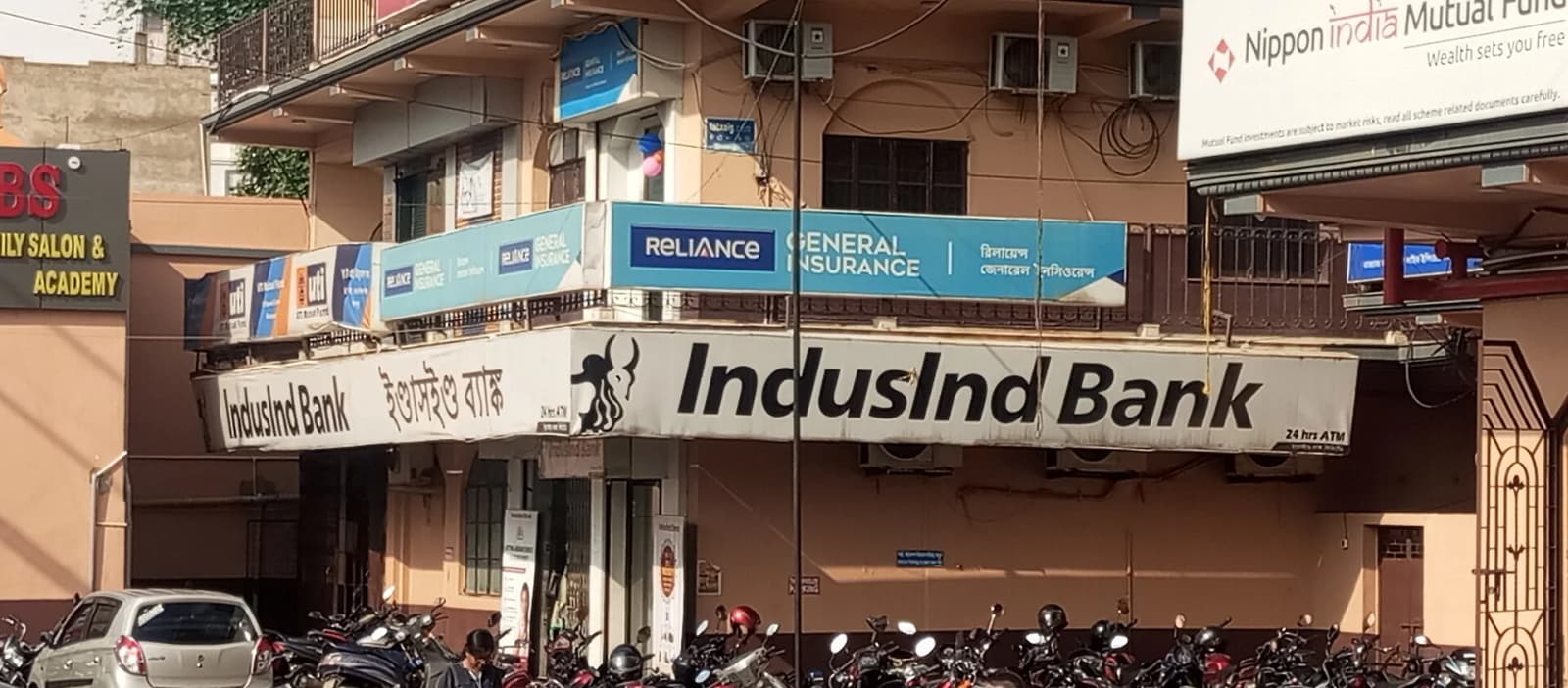
This is a MapMyTimes opinion piece. On 20 November 2026, the board of IndusInd Bank, acting as the disciplinary authority, terminated the employment of former managing director and chief executive Sumant Kathpalia with immediate effect and invoked malus and clawback provisions on his pay going back to 24 March 2020, the day he was first appointed MD and CEO. The bank said the decision followed an enquiry report dated 18 November 2026 by an enquiry officer who is a former judge of the Bombay High Court.
Is the clawback the right call?
Yes: if bonuses were earned on numbers that later turned out to be wrong, the people who received them should not keep them. In March 2025 the bank disclosed discrepancies in how it accounted for internal derivative trades, and an external review commissioned by the bank put the adverse impact at close to ₹2,000 crore as of 30 June 2024, according to published reports. Mr Kathpalia resigned on 29 April 2025, saying he took moral responsibility for acts of commission and omission brought to his notice, and he was suspended from 18 June 2025 while proceedings continued. Pay that rewarded performance on flawed books is exactly what recovery clauses were written for.
The Reserve Bank of India has required this tool for years. Its 4 November 2019 compensation guidelines for private banks say malus lets a bank stop deferred pay from vesting, while clawback is a contractual promise by the executive to return pay already paid or vested. The guidelines say these clauses may apply to the entire variable pay. A rule that is never used, however, deters no one. IndusInd's board has now shown that the clause can be used against a former chief executive, not just junior staff.
What should the bank tell shareholders now?
The bank should disclose how much it is seeking and how much it actually recovers. The filing, as reported, did not name an amount. The same RBI guidelines already ask banks to report, in annual financial statements, the cases where malus or clawback was exercised. IndusInd should go further than a count in a table and tell investors, in plain numbers, the value of variable pay at stake, the share already recovered, and whether it intends to go to court if payment is refused. Depositors and shareholders bore the cost of the accounting failure; they deserve to see whether the recovery is real.
The enquiry report itself also deserves a summary. Readers know only that a retired judge examined the matter and that the board acted on it. The detailed findings, and the names of other officials, if any, under similar action, have not been made public.
The fair objection
There is a reasonable counter-argument. Mr Kathpalia has not publicly responded, and he may contest the findings or the recovery. Clawing back pay from as far back as 2020 reaches years before the accounting problem was disclosed, and an executive could argue that only the pay linked to the affected period should be at risk. Courts may also have to decide how far a contractual clause can reach after someone has left. Those are legitimate questions, and due process matters, especially when a career and a large sum are involved.
But those questions argue for transparency and a fair hearing, not for leaving the clause unused. If the board's enquiry stands up, the recovery should be pursued in full. If it is overturned, the public should know that too.
What should regulators take from this?
The RBI and boards of other private banks should treat this case as a test of whether India's bank pay rules work in practice. A clawback that is announced but never collected would weaken every compensation policy that cites it. One that is collected and disclosed would make the next executive think twice before rewarding themselves on numbers they have not checked.
Photo source · Anupamdutta73, CC BY-SA 3.0