The United States has formally imposed anti-subsidy and anti-dumping duties on freight rail couplers made in India, with orders published by the US Department of Commerce in Washington on 20 November 2026. Indian exporters Texmaco Rail and Engineering, Jupiter Wagons and Bhilai Engineering Corporation face the steepest rates, while Kharagpur Metal Reforming Industries and other Indian producers face much lower ones.
The countervailing duty order sets a subsidy rate of 75% for Texmaco, Jupiter Wagons and Bhilai Engineering, and 9.71% for Kharagpur Metal Reforming Industries and all other Indian producers. A separate anti-dumping order, which also covers couplers from the Czech Republic, adds cash deposits of 71.01% for Bhilai Engineering and Jupiter Wagons, 12.02% for Texmaco, nil for Kharagpur Metal Reforming and 1.54% for all others, after adjusting for subsidy offsets.
How much will Indian couplers pay at the US border?
Adding the two notices together, importers of couplers from Bhilai Engineering and Jupiter Wagons must now put down cash deposits of about 146% of the goods' value, Texmaco's shipments about 87%, Kharagpur Metal Reforming's 9.71% and other Indian producers' about 11.25%. The 75% subsidy rates and the 71.01% dumping margins were based on "facts available with adverse inferences", according to the notices. Commerce said US Customs and Border Protection will collect these deposits at the same time as normal customs duties.
The deposits apply from 13 November 2026, the date the US International Trade Commission's final injury ruling was published. Because provisional measures had lapsed, Indian couplers that entered the US between 1 July and 12 November 2026 will not face countervailing duties, and those that entered from 2 November to 12 November will not face anti-dumping duties, the notices said.
What products are covered?
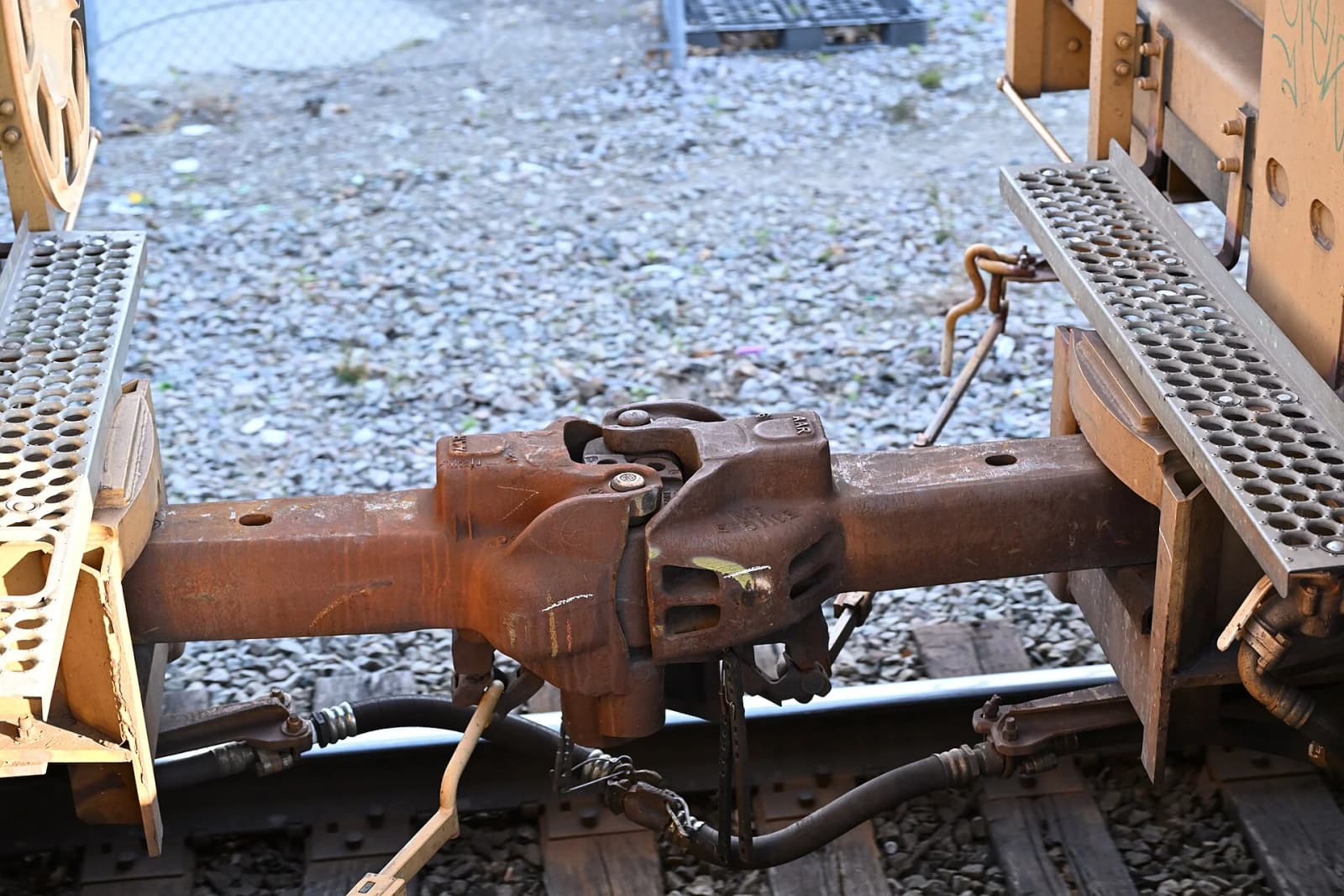
The orders cover freight railcar couplers, also called fits or assemblies, and their main parts: E and F coupler bodies, E/F coupler bodies, and E and F knuckles as defined by the Association of American Railroads. They apply whether the parts are finished or unfinished, imported alone or already mounted on a railcar, including railcars assembled in third countries. Origin is decided by where the parts were cast or forged.
Who asked for the duties?
The cases began with petitions filed on 23 July 2025 by the Coalition of Freight Coupler Producers, made up of McConway & Torley LLC of Pittsburgh, Pennsylvania, and the United Steelworkers union. On 9 November 2026 the International Trade Commission determined that the US industry was materially injured by dumped imports from the Czech Republic and India and by subsidised imports from India. Commerce had published its final subsidy and dumping determinations on 24 September 2026.
In the same 20 November notice, Commerce corrected ministerial errors in its earlier findings. For India, it said the corrections did not change the final cash deposit rates for either of the two companies it examined in detail, or for all others. For the Czech Republic, the corrected rate for CKD Kutná Hora and all other Czech exporters is 73.56%.
Why it matters for Indian rail makers
The combined rates of around 87% to 146% for three Indian rail equipment makers are likely to make US coupler sales difficult for them, while Kharagpur Metal Reforming and other producers face a far smaller burden. Commerce said it would open an annual inquiry service list for the orders on its ACCESS electronic filing system within five business days.
Texmaco, Jupiter Wagons and Bhilai Engineering had not publicly commented on the orders at the time of writing.
Photo source · 4300streetcar, CC BY 4.0