Several Russian military aircraft entered South Korea's Korea Air Defense Identification Zone (KADIZ) over the East Sea on the morning of 24 November 2026 (Tuesday) and flew towards Ulleung Island in North Gyeongsang Province, prompting a brief emergency alert for residents and the scrambling of South Korean fighter jets, according to South Korea's Joint Chiefs of Staff (JCS).
The JCS said the aircraft left the zone while the military was taking countermeasures and that South Korean airspace was not violated. The episode came about a week after another group of Russian military aircraft entered the KADIZ over the East Sea on 17 November.
What happened over Ulleung Island?
Residents of Ulleung received a mobile emergency alert telling them to take shelter. South Korea's Ministry of the Interior and Safety sent the message at 7:52 am local time (4:22 am IST), asking people to move underground or indoors, Korea JoongAng Daily reported. The warning was lifted within minutes once the aircraft moved away; reports put the gap at between three and five minutes.
According to the JCS, the military detected the Russian planes before they entered the KADIZ and sent Air Force fighters, including F-15K jets, to carry out tactical manoeuvres in case of contingencies. A JCS official told The Korea Times that the planes came very close to the boundary of South Korean airspace before turning back. The military has not said how many Russian aircraft were involved or what types they were.
Why did the alert name North Korea?
The provincial message wrongly described the aircraft as North Korean because staff used a drill template, a provincial official said. The North Gyeongsang provincial government, which has jurisdiction over Ulleung, sent a follow-up text announcing that the alert had been lifted, but that message referred to "suspected North Korean aircraft".
The official said staff had changed only the time on a template prepared for exercises and sent it by mistake. The province issued a correction roughly 40 minutes later, The Korea Times reported. The official also said local messages need approval from a central control centre, but that it is difficult for the centre to check the wording of every regional alert.
How is an air defence zone different from airspace?
An air defence identification zone is wider than a country's sovereign airspace. It works as an early-warning area where a country identifies and tracks approaching aircraft. Sovereign airspace covers only land and territorial waters. If a foreign military aircraft enters sovereign airspace without permission, South Korea can send jets to intercept it and order it to leave.
That distinction is why the JCS stressed that there had been "no violation of South Korean airspace", even though residents of Ulleung had been told to take shelter.
How has Seoul responded?
South Korea's Defence Ministry plans a formal protest. Ministry spokesperson Chung Binna said a diplomat from the Russian Embassy in Seoul would be summoned later on 24 November. No response from Moscow had been reported at the time of writing.
Why it matters
Tuesday's flight was the second Russian entry into the KADIZ in about a week. What stood out on Tuesday was that civilians on an inhabited island were told to take shelter, and that a regional government then misidentified the aircraft in an official message.
It also comes at a time of wider tension over Russian military activity elsewhere. MapMyTimes reported on 23 November that NATO ambassadors met in Brussels after a Russian missile and drone landed in Poland. In Seoul, President Lee Jae Myung has just named a new spy chief and foreign minister.
What happens next
The next step is the summoning of the Russian diplomat. It is not yet known whether Seoul will release more details about the flight path, the number of aircraft or how close they came to the airspace boundary, or whether provincial officials will face action over the wrong alert text.
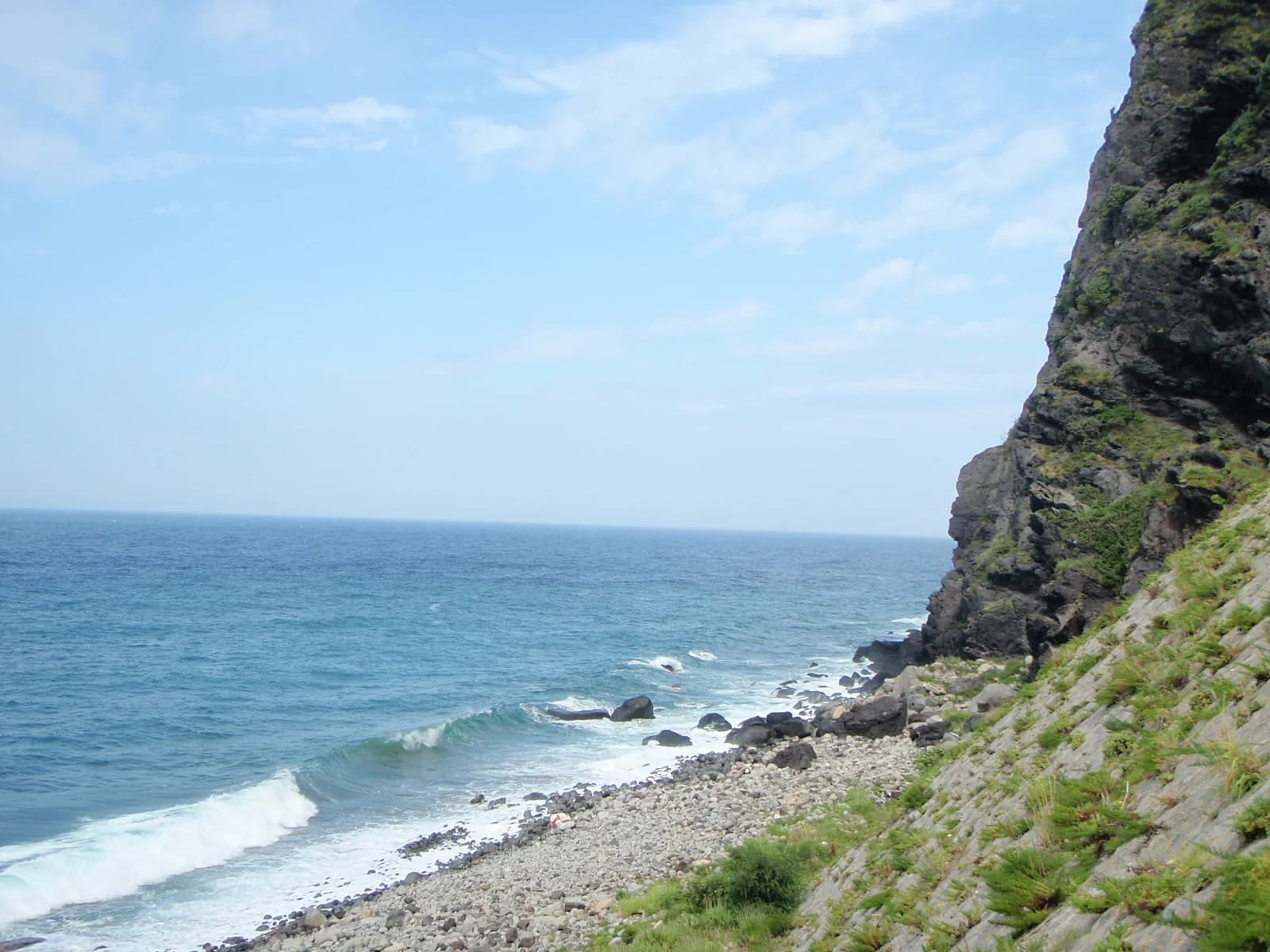
Photo source · Korea.net / Korean Culture and Information Service, CC BY-SA 2.0