Fourteen governments, led by the United Kingdom and The Gambia, on 23 November 2026 called on Myanmar to comply fully with last week's International Court of Justice (ICJ) ruling that it committed genocide against the Rohingya, as Britain formally recognised the genocide and imposed sanctions on five senior Myanmar military officers.
The foreign ministers of Australia, Belgium, Canada, Cyprus, the Czech Republic, Estonia, Iceland, Latvia, Luxembourg, New Zealand, Portugal, Spain, The Gambia and the United Kingdom signed the joint statement published by the UK government. It says the court found that Myanmar violated its obligations under the Genocide Convention and stresses that "the Court's judgment is binding upon Myanmar".
What did the International Court of Justice decide?
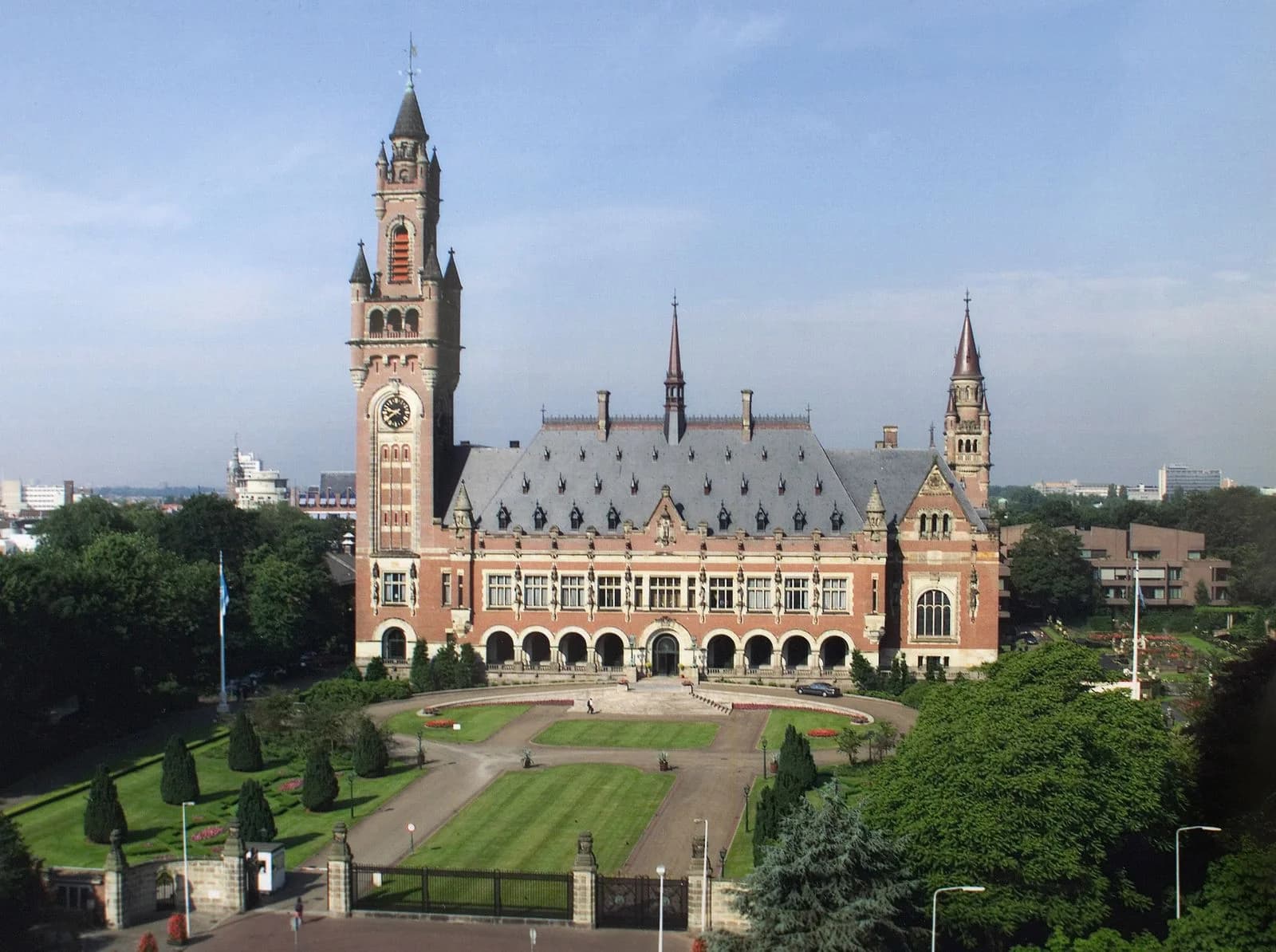
The court, the principal judicial organ of the United Nations, ruled on 19 November that Myanmar committed genocide against the Rohingya Muslim minority, according to a statement issued that day by UK Foreign Secretary Ed Miliband. The case arose from a 2017 military crackdown in Rakhine State and was brought by The Gambia in November 2019 under the Genocide Convention.
France 24, citing AFP, reported that it was the first time in the court's 80-year history that it had found a state responsible for genocide. Myanmar's government called the ruling unfair and a "great disappointment", the broadcaster reported.
What does the joint statement ask of Myanmar?
The 14 ministers urged Myanmar to "comply fully with its obligations under international law". They described the judgment as an important step toward accountability and justice for Rohingya victims and survivors, and said creating conditions for the "voluntary, safe, dignified and sustainable return" of Rohingya refugees to Myanmar is essential.
India is not among the signatories listed in the statement.
Who has Britain sanctioned?
In a separate announcement from the Foreign, Commonwealth and Development Office, the UK said it now "formally recognises" the genocide and named five officers who face asset freezes, travel bans and director disqualifications:
- Brigadier General Myo Htut Hlaing, deputy commander of the Northwestern Regional Command, over the alleged cruel treatment of prisoners in Chin State.
- Major General Myo Min Tun, Eastern Military Commander, over alleged repression of civilians.
- Major General Myat Thet Oo, a former Northern Command chief later posted as ambassador to Laos, for allegedly enabling repression through senior roles.
- Major General Kyaw Soe, who took over Western Command in Rakhine in June 2026, over alleged airstrikes on populated areas and medical facilities.
- Major General Kyaw Swar Oo, his predecessor, over an alleged airstrike on Mrauk-U General Hospital that the UK says killed 33 civilians, including a baby.
"The horrific violence and persecution inflicted on the Rohingya cannot go unanswered," Mr Miliband said, adding: "There can be no impunity for these atrocities and the gravest violations of international law."
Aid, fuel curbs and the UN Security Council
The UK said it plans legislation to restrict the export and supply of aviation fuel to Myanmar, aimed at the military's continued airstrikes on civilians. It announced £5 million in extra humanitarian aid for Rohingya and other communities in Rakhine State, which it said would reach about 350,000 people, and up to £3 million for evidence collection, documentation and support for survivors seeking justice. It is also doubling its support for the UN's Independent Investigative Mechanism for Myanmar, without giving a figure.
On 19 November, the UK ordered the expulsion of Myanmar's defence attaché and summoned its chargé d'affaires. London has since called an urgent session with Security Council members this week and requested a formal Security Council meeting on Myanmar in two weeks' time.
Why it matters
An ICJ judgment is binding on the parties, but the court has no police force of its own; follow-up depends largely on governments and the Security Council. The joint statement and the British measures are among the first concrete diplomatic responses to the ruling. Whether other states, including Myanmar's neighbours, take similar steps, and how Myanmar responds formally, remains to be seen.