Aero-engine maker Rolls-Royce and the Indian Institute of Technology (IIT) Kanpur have launched a six-month joint research project aimed at reducing noise inside aircraft cabins, according to an official statement reported on 26 November 2026. The launch took place on the IIT Kanpur campus in Uttar Pradesh, as reported by DD News, citing PTI.
What will the project study?
The project will study structure-borne noise, the sound that reaches the cabin when vibrations from the engines travel through an aircraft's structure. According to the statement, this is a key factor in how comfortable passengers feel on board. The work has been named the Engine Vibration-Related Noise project.
The team's main task is to check a numerical method developed by Rolls-Royce against real measurements from an experimental test rig at IIT Kanpur. The rig is being built as a model aircraft fuselage, designed as a "system of systems" that imitates an aircraft in flight. A mechanical vibration source will stand in for the engine, while arrays of acoustic and vibration sensors will allow researchers to study vibration and cabin sound together.
Who was at the launch?
The event was attended by Abhay Karandikar, Member of NITI Aayog; Manindra Agrawal, Director of IIT Kanpur; Andy Rix, Associate Fellow for Rotor Dynamics at Rolls-Royce; and Raghavendra Saroor, Programme Manager for Future Defence Programmes at Rolls-Royce, along with senior faculty and company representatives, as listed in a release published by SME Street.
Professor Agrawal said that by setting up and using the test rig at IIT Kanpur, "the teams will work to generate reliable insights" into this aspect of the aircraft cabin. Sashi Mukundan, Executive Vice President of Rolls-Royce India, said the initiative "reinforces our long-term commitment to developing local capabilities", and described such partnerships as important for India's ambitions in advanced engineering, research and manufacturing.
Why does it matter to air travellers?
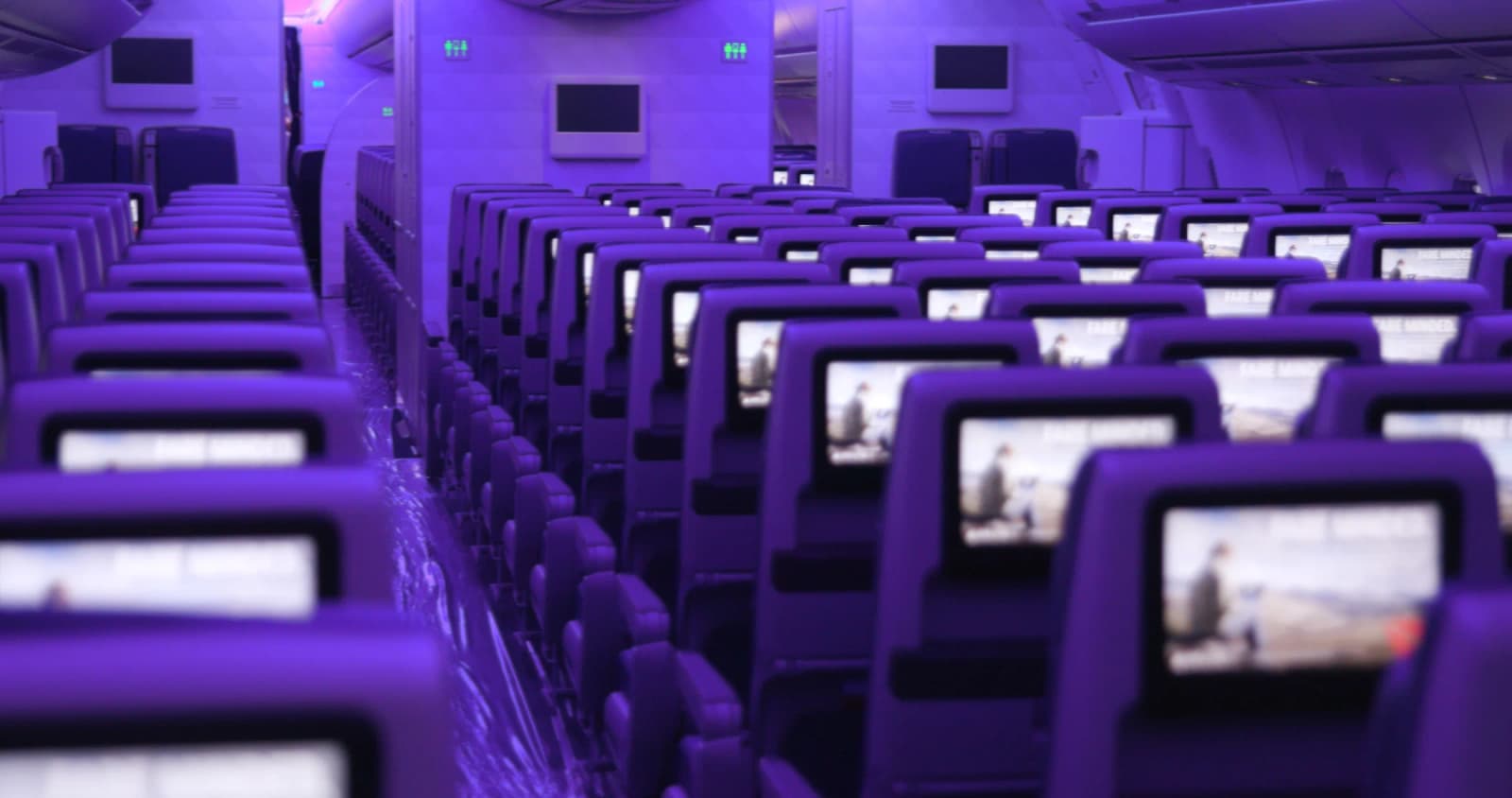
For passengers, cabin noise shapes how tiring a flight feels, especially on long journeys. The statement cited the Rolls-Royce Trent XWB engine as an example of the company's low-noise technology and said the findings from the new project could help shape future noise-reduction strategies. No specific product, aircraft type or timeline for applying the results has been announced.
The project builds on a memorandum of understanding signed earlier in 2026 between Rolls-Royce India and IIT Kanpur, which covers research, joint projects, internships, knowledge exchange and skills development.
What happens next?
The work is described as Phase 1, with the possibility of later phases depending on results. Funding details and the cost of the project were not disclosed. Reports differed slightly on the exact day of the launch event, with one describing it as having taken place on Wednesday, 25 November.
For more on India's aerospace sector, read our report on the expansion of Bengaluru's Yelahanka air base ahead of Aero India 2027.
Photo source · Delta News Hub, CC BY 2.0