Srinagar: India's flagship high-altitude Himalayan corridor between Kashmir and Ladakh is nearing completion, with Union Road Transport and Highways Minister Nitin Gadkari announcing that 70 percent of the Zojila Tunnel project has been built and operations are expected within six to eight months.
Project Timeline and Strategic Travel Impact
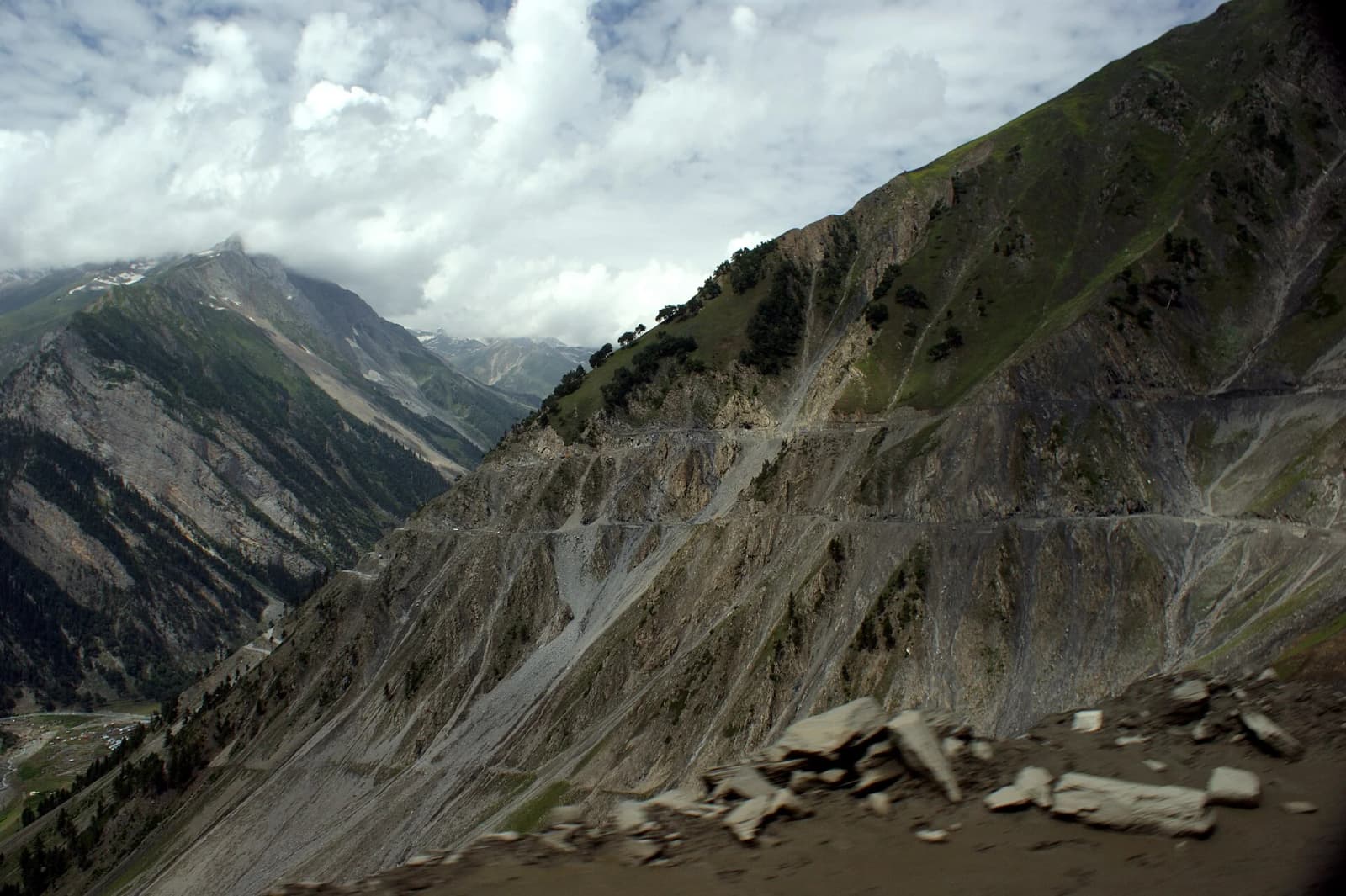
Addressing the 7th World Landslide Forum on November 24, Gadkari said the Rs 6,500-crore tunnel — which achieved a major excavation breakthrough earlier on June 9 — will ensure year-round, all-weather road connectivity between Srinagar and Leh even through harsh winter snowfalls that traditionally close Zojila Pass for months.
Once opened to traffic, the tunnel will compress the arduous mountain pass crossing from roughly 60 to 90 minutes down to around 15 minutes, benefiting civilian commuters, tourism operators, freight supply chains, and strategic defence logistics across Ladakh.
Engineering Specifications Across the Zojila Pass
Situated at an elevation of roughly 11,578 feet along the Srinagar-Leh National Highway, the project spans about 31 kilometres in total, combining a 13.153-kilometre main single-tube two-lane horseshoe tunnel with 18 kilometres of approach roads.
- Alignment: Connects Baltal in Kashmir's Ganderbal district directly to Minimarg in Ladakh's Drass sector.
- Tunnel Dimensions: Built to a 9.5-metre width and 7.57-metre height profile to accommodate bidirectional traffic and emergency clearances.
- Construction Method: Executed by Megha Engineering and Infrastructures Limited (MEIL) using the New Austrian Tunnelling Method (NATM) suited for complex Himalayan geology.