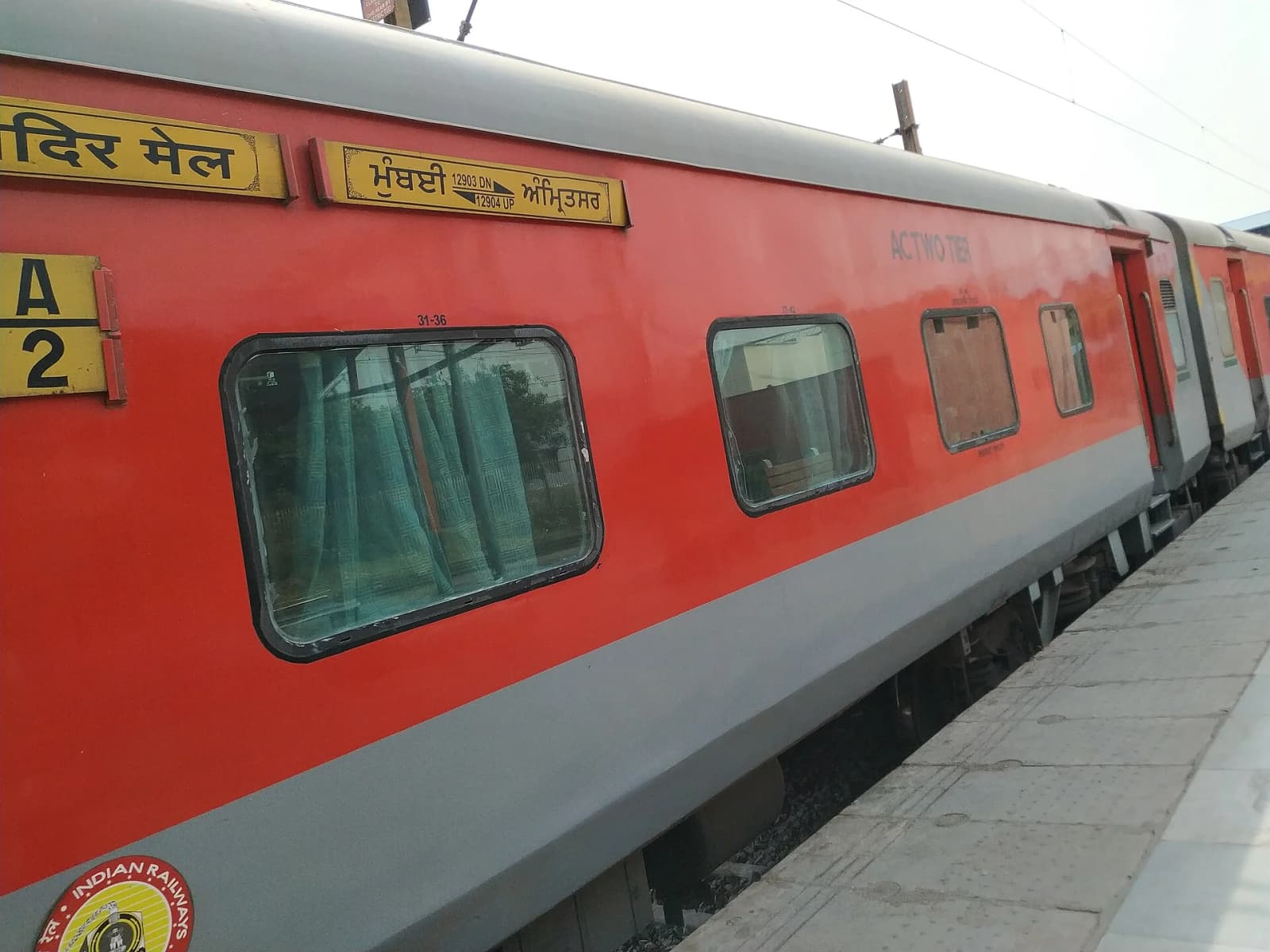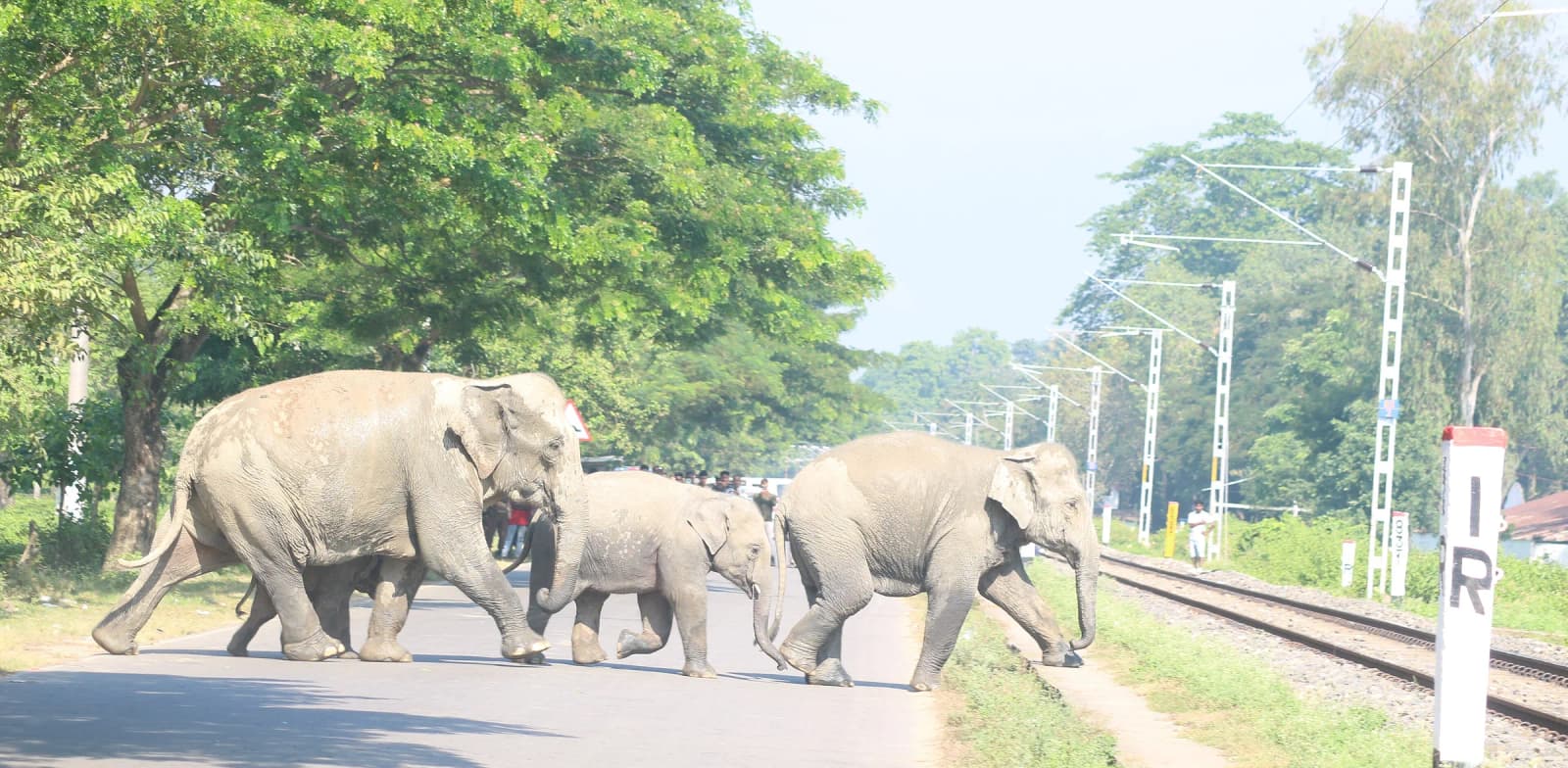
The down Awadh-Assam Express was brought to a stop between Habaipur and Lamsakhang railway stations in Assam's Hojai district on 26 November 2026 so that a herd of wild elephants could cross the tracks safely, according to reports carried by PTI and The Sentinel. No elephant deaths were reported.
What happened on the Hojai stretch?
Staff of the Assam Forest Department spotted the herd, which included adults and calves, close to the line in an area falling under the Lanka Range. They alerted the loco pilot and the railway control room at Lumding, after which railway authorities halted the train until the animals had moved across.
Assam's Environment and Forest Minister Jayanta Mallah Baruah shared details of the incident on social media. He said the herd was moving from the Lumding Reserve Forest towards West Karbi Anglong district, and that the episode showed why the forest department and the railways need to work together to prevent elephant deaths and keep wildlife movement safe. "Development and wildlife conservation must go hand in hand," he was quoted as saying in a PTI report published by DD News.
The reports did not say how many elephants were in the herd or how long the train was held.
Why does this matter for rail travel in Assam?
It matters because the same district saw a serious collision less than a year ago. In the early hours of 20 December 2025, the Sairang-New Delhi Rajdhani Express ran into a herd near Changjurai village in Hojai, killing seven elephants and injuring one, according to All India Radio News. The engine and five coaches derailed in that accident, though no passengers were hurt.
That stretch lay in the Jamunamukh-Kampur section of the Lumding division of the Northeast Frontier Railway, about 126 km from Guwahati, and officials said at the time it was not a designated elephant corridor. The Nagaon divisional forest officer, Suhash Kadam, had suspected that heavy fog in the area contributed to the crash.
Against that background, Thursday's halt is being presented by the state government as an example of how early warnings from forest staff, passed quickly to train crews, can avert both wildlife deaths and risks to passengers.
What is confirmed and what is not?
- Confirmed: the train involved, the location between Habaipur and Lamsakhang, the direction of the herd's movement, and that no elephants were reported killed.
- Not stated: the size of the herd, the length of the delay to passengers, and whether any formal monitoring system was used beyond direct coordination between forest and railway staff.
What happens next?
No new measures were announced alongside the incident. The minister's remarks point to continued reliance on coordination between forest teams and railway control rooms on lines that pass close to reserve forests in central Assam. Rail passengers in the region may occasionally face short unscheduled stops for similar reasons, particularly in winter months when fog reduces visibility.
Readers following transport in the state can also see our report on the Union Cabinet's approval of a greenfield airport at Doloo near Silchar.
Photo source · কুমুদ ঘোষ, CC BY 4.0