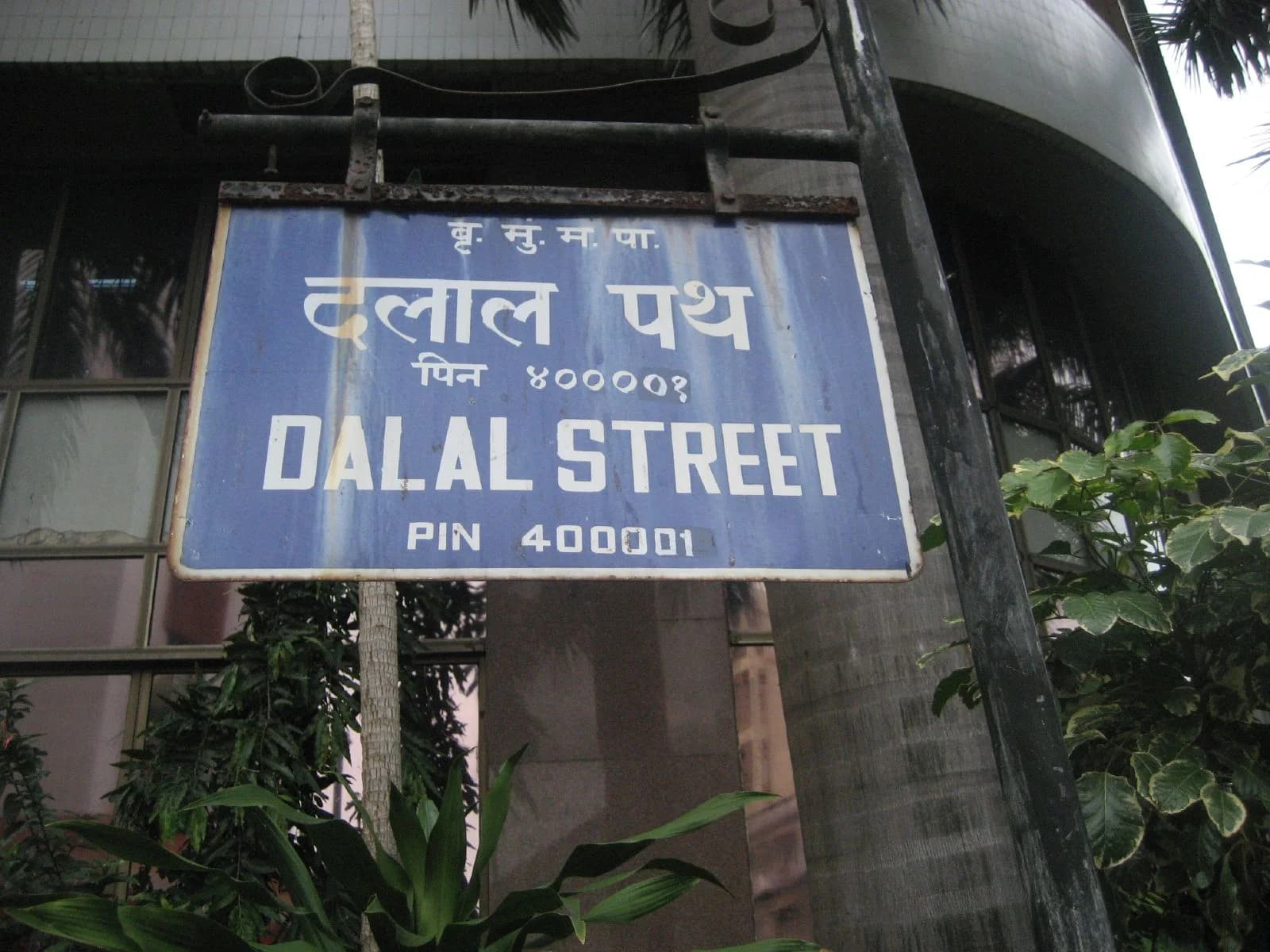
The Mumbai-headquartered Reserve Bank of India on 27 November 2026 issued final rules that let banks freeze withdrawals from accounts they strongly suspect are being used as money mules in cyber frauds, while setting strict deadlines to protect genuine customers. The RBI press release says the new standard operating procedure (SOP) will take effect from 1 July 2027, or earlier if a bank chooses.
What has the RBI decided?
The RBI has amended its Know Your Customer (KYC) Directions so that every bank follows one uniform, time-bound process to place and lift a "debit hold" on suspicious transactions or accounts. A debit hold means no money can be taken out of the account, or out of the amount placed under hold. The amendments apply to commercial banks, small finance banks, payments banks, local area banks, regional rural banks and urban co-operative banks.
The rules were first released in draft on 11 September 2026. The RBI says it examined feedback from stakeholders and built the resulting changes into the final directions, and published a statement on that feedback alongside the release.
What is a money mule account?
A money mule account is one used on behalf of another person, knowingly or unknowingly, to receive, layer or move proceeds of crime, financial fraud or terror financing, according to the amendment directions for commercial banks. The rules also cover "highly suspicious" accounts that a holder uses on their own behalf for the same purposes. The RBI notes that not every account with a suspicious transaction is treated as highly suspicious.
How does the new procedure work?
Banks must use technology and objective parameters to spot highly suspicious activity while limiting false flags on genuine customers. A hold must rest on a high degree of suspicion and be approved at a suitably senior level; the RBI says banks should avoid mechanically freezing whole accounts.
- Notice: The customer must be told promptly through digital channels if a mobile number or email is on record, or otherwise by the end of the next working day, with reasons, the removal process and an officer's contact details.
- Explanation window: The customer has seven calendar days to explain and submit documents.
- Bank decision: The bank must decide within seven calendar days of getting the explanation — either lift the hold or keep it and report the case to the jurisdictional police authority. If no explanation arrives, the hold continues and the police are informed.
- 30-day limit: If the police or another competent authority give no direction to keep the hold within 30 calendar days of the referral, the bank must lift it on the 31st day, provided it is satisfied with its enhanced due diligence.
The jurisdictional police authority is the police or cyber police station to which a case is routed through the National Cybercrime Reporting Portal's fraud reporting system run by the Indian Cyber Crime Coordination Centre under the Ministry of Home Affairs.
How does this affect account holders?
Customers whose accounts are frozen will now get reasons, a named contact and fixed timelines instead of an open-ended block. Banks must appoint nodal officers for complaints under the SOP, display their name, phone number, address and email on their websites and in every branch, and resolve complaints within 30 calendar days. Banks must also keep records of each hold, including dates, reasons and correspondence, for five years.
Regulators have been stepping up warnings on fraud; SEBI recently cautioned investors against fake trading groups on WhatsApp and Telegram.
What happens next?
Banks have until 1 July 2027 to put the systems in place, though they may start earlier. The directions also allow banks to review holds already placed before the SOP and align them with the new process. In a separate move the same week, the RBI eased banks' daily CRR maintenance requirement.
Photo source · DesiBoy101, CC BY 4.0