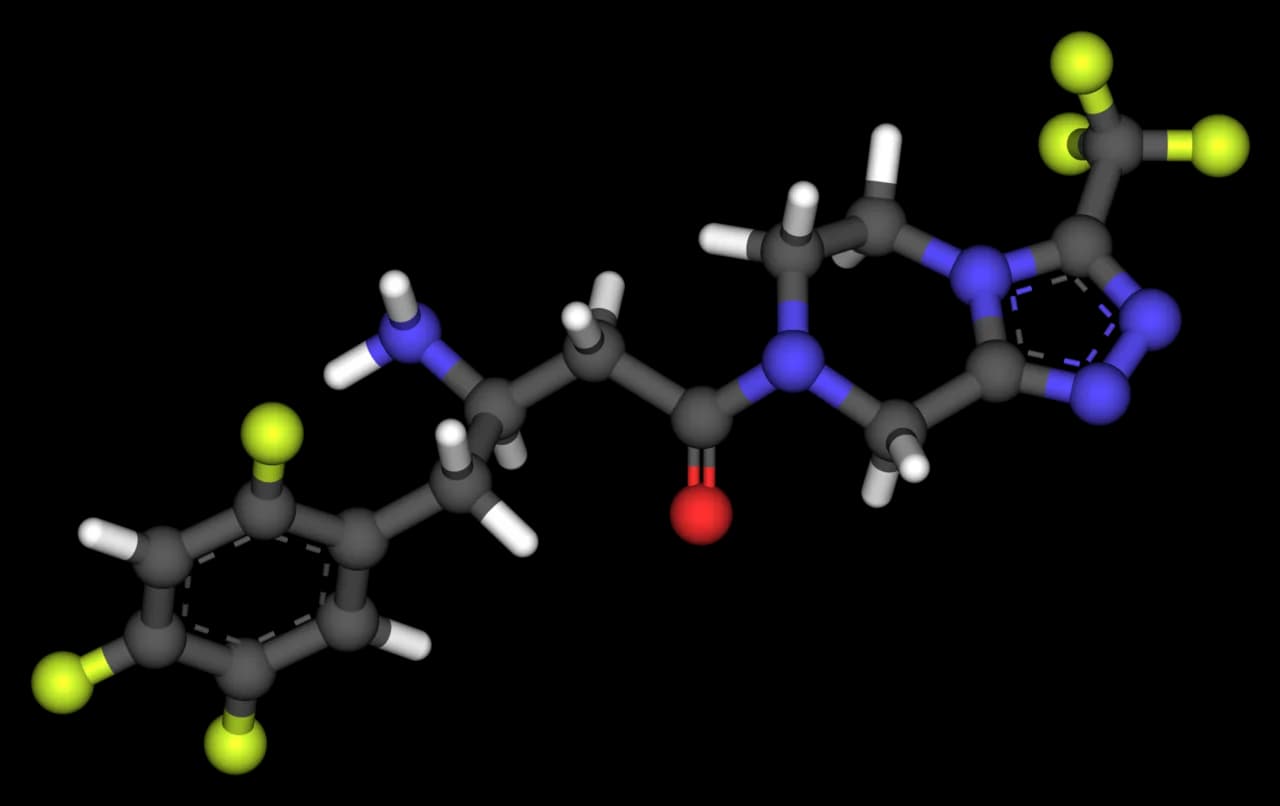
Mumbai-based drugmaker Lupin Limited said on 27 November 2026 that the United States Food and Drug Administration (US FDA) has approved its Abbreviated New Drug Application (ANDA) for Sitagliptin Tablets USP in 25 mg, 50 mg and 100 mg strengths, and that it has launched the product in the United States. The announcement was made in a press release issued from Mumbai, India, and Naples, Florida.
What has Lupin received approval for?
Lupin has received US FDA approval for a generic version of sitagliptin tablets, which the company says is bioequivalent to Januvia tablets of Merck Sharp & Dohme LLC. According to the release, the medicine is indicated as an adjunct to diet and exercise to improve glycaemic (blood sugar) control in adults with type 2 diabetes mellitus.
How big is the market for this drug?
The reference brand is a large product in the US. Citing IQVIA data for the moving annual total (MAT) to September 2026, Lupin said Januvia tablets had estimated annual sales of USD 2,328.8 million in the United States. The company did not disclose its expected revenue, pricing or market share for the generic.
Second sitagliptin approval in a week
The launch comes two days after another diabetes-related approval. On 25 November 2026, Lupin said it had received US FDA approval for Sitagliptin and Metformin Hydrochloride Tablets in 50 mg/500 mg and 50 mg/1,000 mg strengths, bioequivalent to Merck's Janumet. That combination product had estimated US annual sales of USD 439.2 million (IQVIA MAT September 2026), the company said. The 25 November release did not mention a launch date for the combination tablets.
Why it matters
The United States is one of Lupin's key markets. In its corporate profile, the company describes itself as a global pharmaceutical company headquartered in Mumbai with a strong presence in India, the US and other developed and emerging markets, and lists diabetes among its core therapeutic areas alongside cardiovascular, respiratory, gastrointestinal and women's health. It says it distributes products in more than 100 markets and operates 15 manufacturing facilities and six research centres, with more than 26,000 employees.
Adding a generic version of a product with more than USD 2.3 billion in estimated annual US sales expands Lupin's diabetes portfolio in that market. How much of that value the company can capture will depend on factors it has not detailed, such as the number of competing generics and pricing.
What is not disclosed?
The 27 November release does not name the plant where the tablets are made, does not mention any marketing exclusivity, and carries no comment from company executives.
For related health coverage, read about an EMA study showing GLP-1 drug use shifting from diabetes to obesity in Europe and India's first human metabolic chamber at CMC Vellore.
Photo source · Fvasconcellos, Public domain