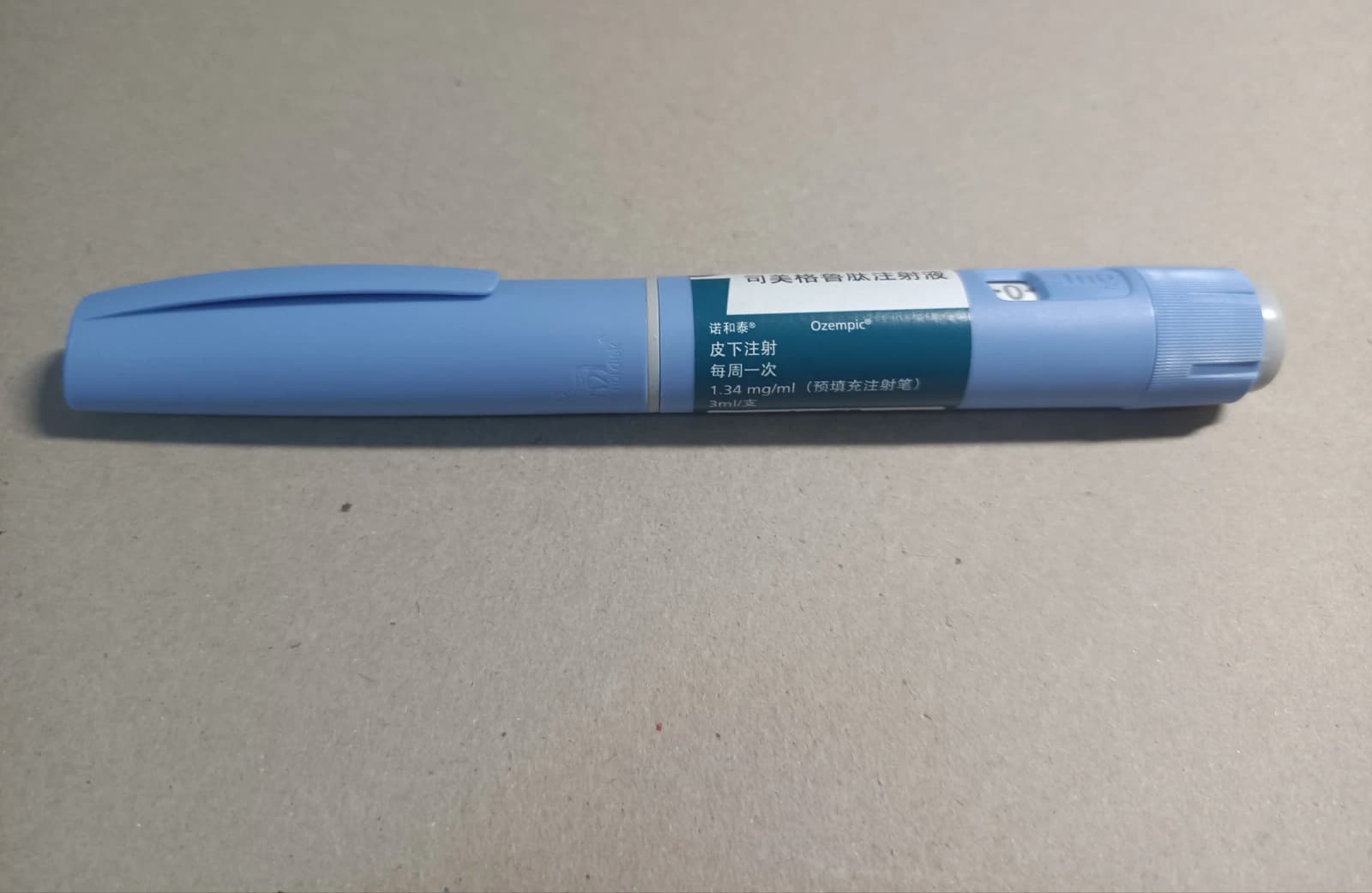
The European Medicines Agency (EMA) said on 27 November 2026 that a large real-world study of more than 1.6 million people in Europe shows GLP-1 medicines, first developed for type 2 diabetes, are increasingly being started for obesity. According to the agency, obesity became the most common recorded reason for starting these medicines in several of the study's populations from 2022.
The analysis was carried out through DARWIN EU, the EMA-coordinated network that draws on health records from across Europe to study how medicines are used in everyday practice. It covered people who began a GLP-1 medicine between 2015 and 2025.
What did the EMA study find?
The study found a clear shift in who is being prescribed these drugs and why. Using 12 healthcare databases in ten countries, Belgium, Croatia, Denmark, Finland, Germany, the Netherlands, Norway, Spain, Sweden and the United Kingdom, researchers tracked new users of dulaglutide, exenatide, lixisenatide, liraglutide, semaglutide and tirzepatide over a decade.
- Obesity overtakes diabetes in several datasets: from 2022, obesity was the most common recorded indication for starting treatment in several study populations, the EMA said.
- Semaglutide leads: semaglutide was the most used medicine overall, although patterns differed between countries and over time.
- Who uses them: the median age at the start of treatment ranged from 52 to 63 years, and women made up more than half of new users in nine of the 12 databases. Cardiovascular risk factors and high blood fats were common among patients.
- Few unexplained prescriptions: in most data sources, fewer than 14% of new users had no recorded diagnosis of either type 2 diabetes or obesity.
The study also found that treatment in practice was not uniform. Some patients increased their dose and later reduced it, while others switched from one GLP-1 medicine to another. The full DARWIN EU study report is published in the EMA's catalogue of real-world studies.
Why does this matter for ordinary patients?
It matters because demand for these injections has run ahead of supply. The EMA noted that several EU countries have faced shortages of GLP-1 medicines since 2022, and the study found that prescribing in some countries fluctuated during periods when shortages were officially listed, with semaglutide use showing temporary dips or spikes.
Of the six medicines covered, liraglutide, semaglutide and tirzepatide are authorised in the European Union for both type 2 diabetes and weight management, while dulaglutide, exenatide and lixisenatide are authorised for type 2 diabetes. The EMA also noted that the authorisation of Lyxumia (lixisenatide) was withdrawn on 18 December 2025, and those of Byetta and Bydureon (exenatide) on 1 January 2026.
For people living with diabetes, the findings help explain why access to these medicines has at times been disrupted as their use for weight management has grown. Metabolic health is a growing research focus in India too, as seen in the opening of India's first human metabolic chamber at CMC Vellore and a recent study linking rising blood sugar in young adulthood to poorer midlife cognition.
What are the limits of the data?
The EMA cautioned that the data may not capture all GLP-1 use, because some healthcare settings are not covered by the databases included in the study. The findings describe prescribing patterns in the participating European countries; they are not a measure of how well the medicines work.
What happens next?
According to the EMA announcement, other regulators in the International Coalition of Medicines Regulatory Authorities (ICMRA) are using the same study protocol, which could allow comparisons beyond Europe. Further DARWIN EU studies are planned to look at differences between men and women in side effects and at the burden of cardio-metabolic diseases.
The study is observational and does not change any prescribing advice. Patients using or considering these medicines should discuss their treatment with a doctor.
Photo source · HualinXMN, CC BY-SA 4.0