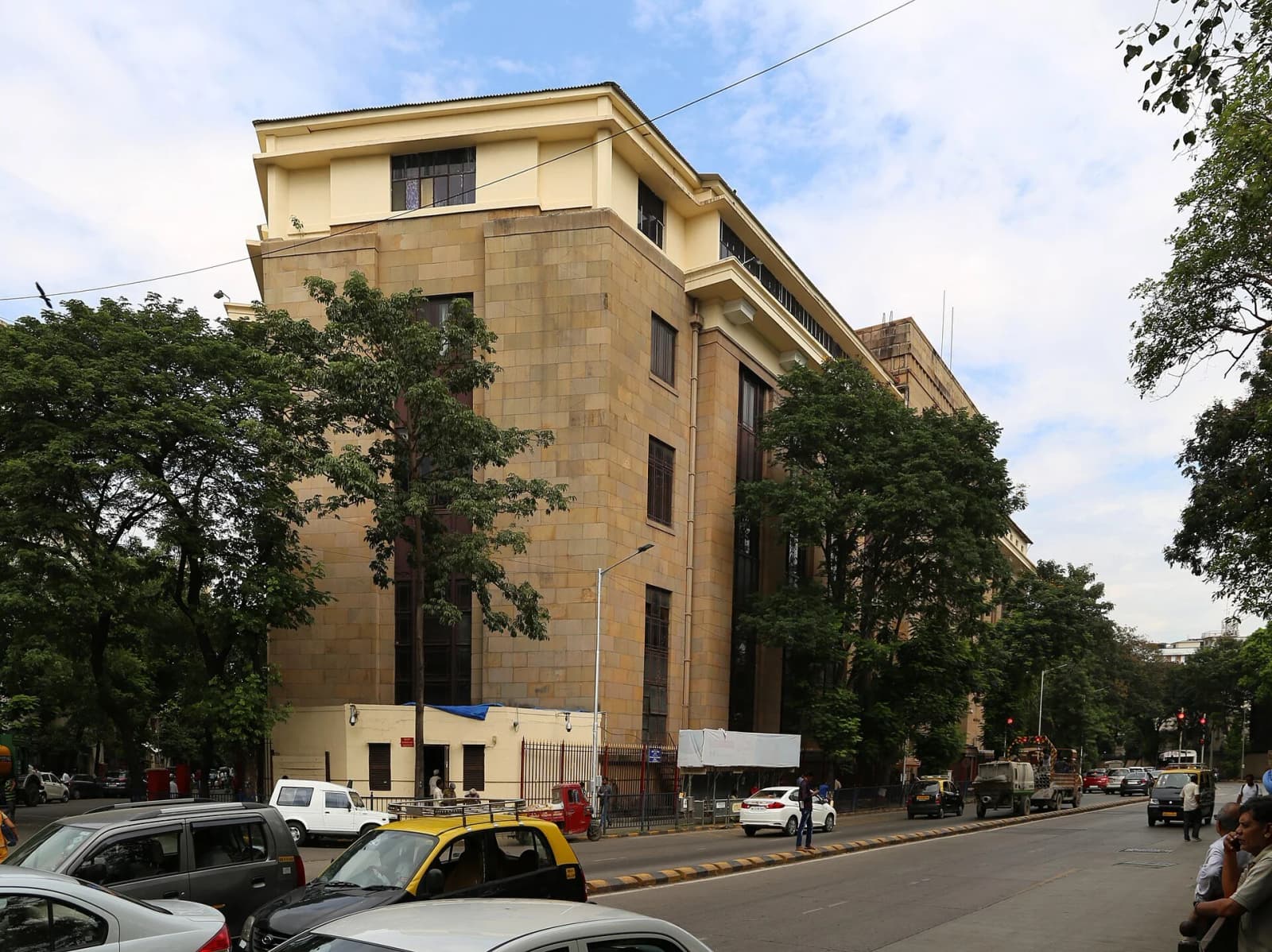
India's foreign exchange reserves fell by $14.2 billion in the week ended 13 November 2026 to $705.34 billion, according to the Reserve Bank of India's Weekly Statistical Supplement released in Mumbai, Maharashtra, on 20 November 2026. Both the central bank's foreign currency holdings and the value of its gold stock declined sharply during the week.
In rupee terms, total reserves stood at ₹66.48 lakh crore, down ₹1.11 lakh crore from the previous week, the RBI's weekly data extract shows.
How big was the fall in India's forex reserves?
The reserves shrank by $14.2 billion in a single week, from about $719.5 billion a week earlier. Foreign currency assets, the largest component, fell by $7.9 billion to $583.45 billion. Gold holdings dropped by $6.18 billion to $98.61 billion, a fall of close to 6% in one week.
The smaller components also slipped. Special Drawing Rights (SDRs) held with the International Monetary Fund declined by $92 million to $18.52 billion, while India's reserve position in the IMF eased by $32 million to $4.76 billion.
The weekly release gives only the stock of reserves. It does not separate the effect of the RBI's market operations from changes in the valuation of assets, so the data alone do not show how much of the decline came from each.
Where do reserves stand compared with March and last year?
Despite the weekly drop, reserves remain $14.23 billion higher than at the end of March 2026 and $12.77 billion above their level a year earlier, the RBI table shows.
The composition has shifted over the financial year. Foreign currency assets are up $31.17 billion since end-March, while the value of gold holdings is down $16.78 billion over the same period.
What else did the RBI data show?
The same supplement carried banking figures for the fortnight ended 31 October 2026. Aggregate deposits of scheduled commercial banks stood at about ₹282.5 lakh crore, with year-on-year growth of 16.9%. Bank credit was about ₹231.8 lakh crore, up 19.5% from a year earlier. Broad money (M3) grew 16.5% year on year to roughly ₹337.7 lakh crore.
The liquidity table in the release showed the RBI was a net absorber of funds from the banking system through the week to 15 November, with net absorption of about ₹1.37 lakh crore on that day. The central bank has since changed course: on 20 November it injected ₹75,010 crore through repo auctions.
Why it matters
Foreign exchange reserves are India's buffer against external shocks. They help the RBI manage volatility in the rupee and pay for imports. A weekly fall of this size is large, but reserves remain above $700 billion and higher than at the start of the financial year.
The data come in a week when the rupee strengthened. On 20 November the currency touched a seven-month high as banking stocks rallied.
What next?
The RBI publishes reserves data every Friday with a one-week lag. The next release, due on 27 November 2026, will cover the week ended 20 November and show whether the decline continued.
Photo source · DesiBoy101, CC BY 4.0