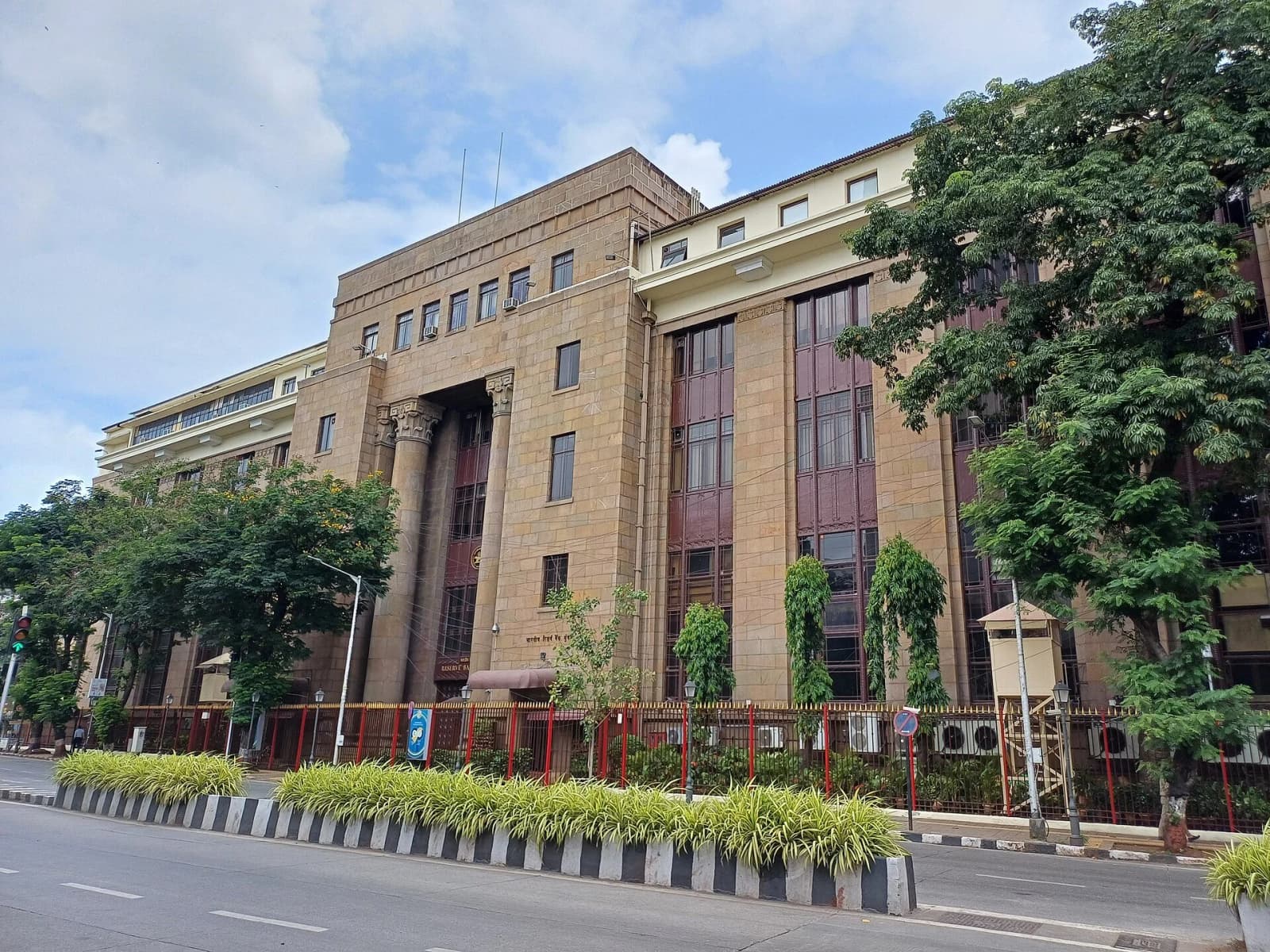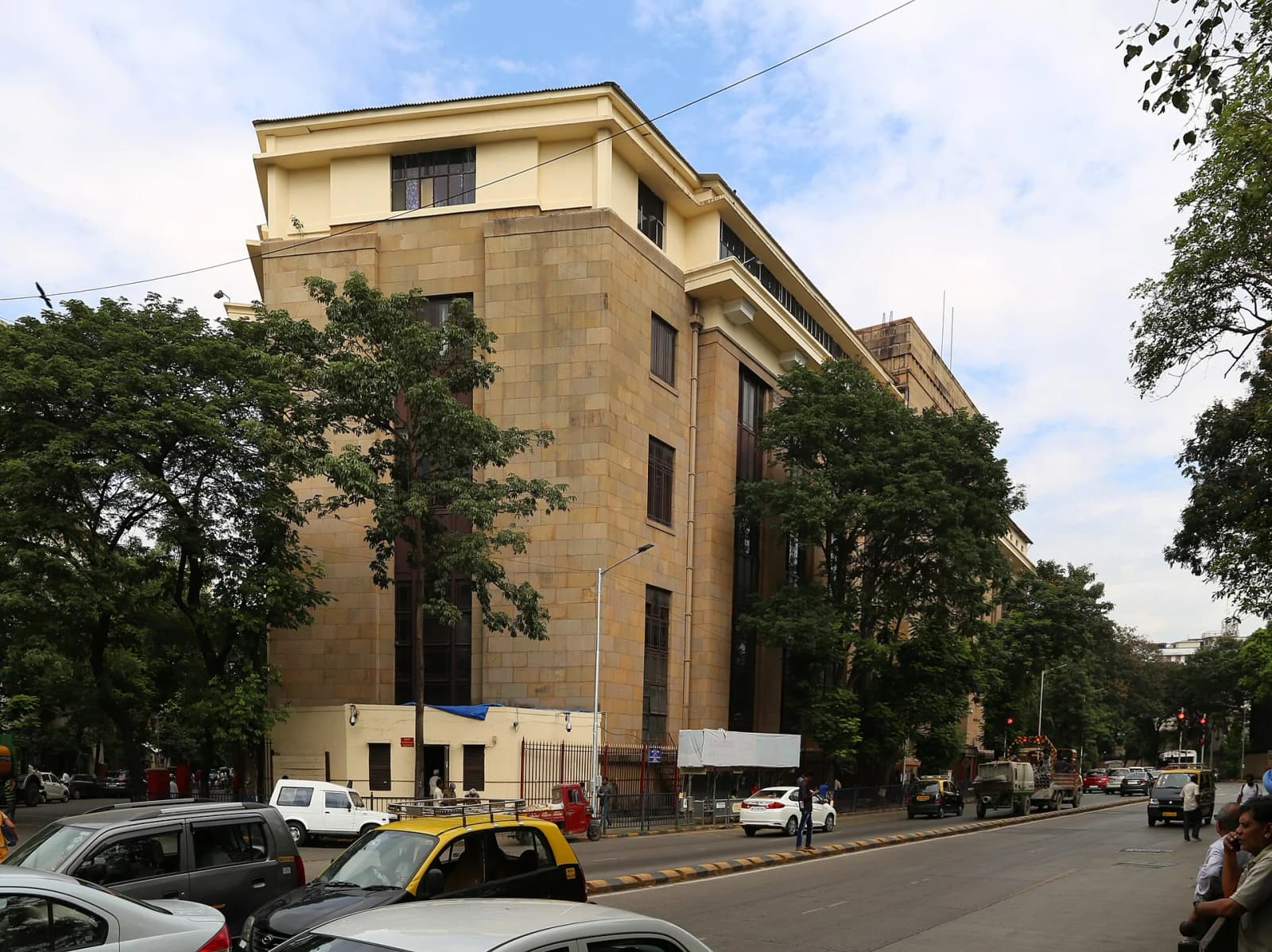
The Government of India raised its full target of ₹33,000 crore through an auction of two bonds conducted by the Reserve Bank of India in Mumbai, Maharashtra, on 20 November 2026. A 40-year bond was sold at a cut-off yield of 7.8083%, while a five-year paper cleared at 7.1116%, according to the RBI's full auction results.
Both securities drew bids worth more than two-and-a-half times the amount on offer, and none of the issue was left with primary dealers.
What did the government sell?
The auction was a re-issue of two existing securities, announced by the RBI on 16 November:
- 6.53% GS 2031, maturing on 7 September 2031, for ₹19,000 crore.
- 7.71% GS 2066, maturing on 18 May 2066, for ₹14,000 crore.
The sale used the multiple-price method, under which successful bidders pay the price they quote. Bids were submitted electronically on the RBI's e-Kuber system on Friday morning, and the results were declared the same day. Payment is due on 23 November 2026.
How strong was demand for the bonds?
Demand was healthy for both papers. The five-year bond received 251 competitive bids worth ₹48,923.25 crore against the ₹19,000 crore notified, about 2.6 times the offer. The RBI accepted 84 of them. The 2066 bond drew 292 competitive bids worth ₹36,969 crore against ₹14,000 crore, also roughly 2.6 times, and 89 were accepted.
The cut-off price for the 2031 bond was ₹97.66, and the weighted average yield came in at 7.1066%. For the 2066 bond, the cut-off price was ₹98.80 and the weighted average yield 7.8033%.
Retail and other non-competitive bidders took a small share: three bids worth ₹9.05 crore in the 2031 paper and three worth ₹19.28 crore in the 2066 paper were all accepted in full.
What role did primary dealers play?
Before the sale, primary dealers underwrote the entire ₹33,000 crore. In an underwriting auction held earlier the same morning, the RBI set the commission at 0.39 paise per ₹100 for the 2031 bond and 0.78 paise per ₹100 for the 2066 bond. Because the auction was fully subscribed, there was no devolvement, meaning dealers did not have to buy any unsold bonds.
Why it matters
Government bond auctions set the cost at which the Centre borrows to fund its spending. The yields at which these papers clear act as reference rates for other borrowers, from state governments to companies. A comfortable bid-cover and the absence of devolvement suggest investors were willing to absorb the supply at current rates.
The gap of about 70 basis points between the five-year and 40-year cut-off yields shows the extra return investors are demanding to lend for longer.
The auction came on a day when the RBI injected ₹75,010 crore into the banking system through repo auctions, shifting from absorbing surplus cash.
What next?
Settlement of the bonds takes place on 23 November 2026. State governments are also in the market that day, with 15 states scheduled to raise ₹31,950 crore at an RBI auction.
Photo source · Sailko, CC BY 3.0