The Press Registrar General of India (PRGI) told newspaper and periodical publishers from the Northeast on 23 November 2026 in Guwahati, Assam, that about 88,000 publication titles have been cancelled in a clean-up of its records, and that the penalty for a first failure to file an annual statement has risen tenfold, from ₹1,000 to ₹10,000.
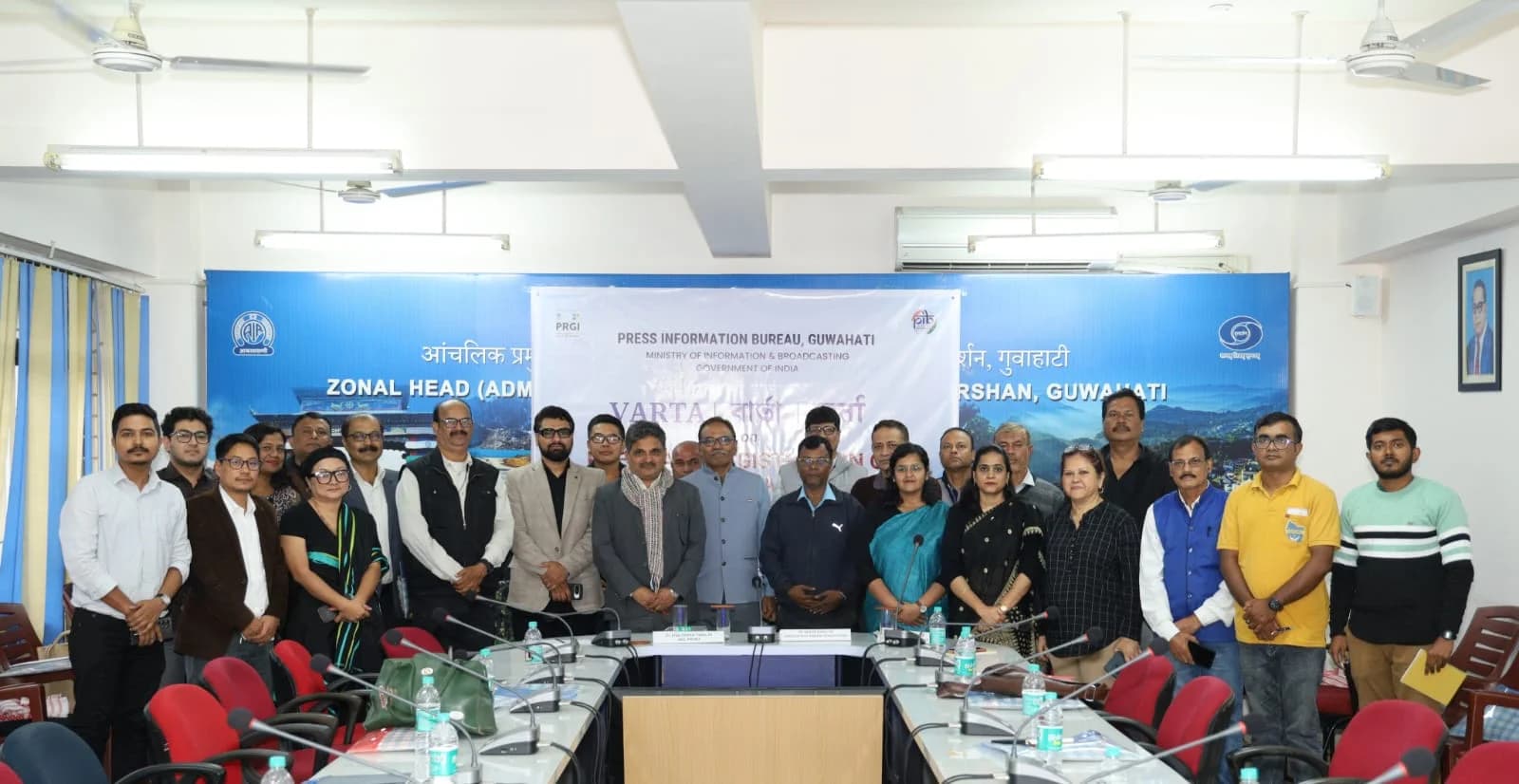
The message came at a "Varta" interaction meeting organised by the Press Information Bureau (PIB), Guwahati, to explain the Press and Registration of Periodicals Act, 2023, and the services offered on the online Press Sewa Portal. Publishers and owners from Assam, Meghalaya, Mizoram and Nagaland attended, according to a PIB release issued on 23 November.
What changes for publishers under the new law?
Publishers now face stricter compliance rules with heavier penalties, and registration is handled through an online system. Santosh Kumar, Additional Press Registrar General of India, said the new Act replaces the Press and Registration of Books Act, 1867, which had governed the registration of newspapers and periodicals for more than 150 years. He argued that the print sector needed a modern legal framework with simpler procedures and technology-based services.
According to Kumar, PRGI receives roughly 1,000 applications a month, and around 700 to 800 of them are granted registration through the online process. He said moving the process online had made it noticeably more efficient and easier for publishers to access.
Which rules did PRGI stress?
Kumar listed three obligations that publishers must meet:
- Annual statements are mandatory. A first default now attracts a ₹10,000 penalty, up from ₹1,000, and repeat defaults draw higher penalties.
- Proof of regular publication. Publishers must upload the front page of each issue on the Press Sewa Portal within 48 hours of publication.
- Keeping records current. Titles that have not filed annual statements for more than three years are classified as defunct, and those that have not filed for more than ten years have been cancelled.
The cancellation exercise has so far removed about 88,000 titles from the register, Kumar said.
How does Assam's register look?
Officials shared figures for Assam as of 17 November 2026. The state had 373 registered periodicals and 38 printing presses. Of these periodicals, 163 had filed annual statements, while 78 were classified as defunct.
Help for publishers, and a warning about agents
Kumar said PRGI has set up weekly meetings, an online grievance-redressal facility and a helpdesk reachable by landline and mobile phone to answer publishers' queries. Gaurav Sharma, Deputy Director at the National Informatics Centre (NIC), gave a live demonstration of the PRGI website and the Press Sewa Portal, logging in as different users, including owners and publishers, to show how each service works.
PRGI also said it has no authorised representatives or agents. It advised publishers to use registration services only through the official Press Sewa Portal and PRGI channels, and asked them to join its WhatsApp channel for updates.
Why it matters
Small and regional publications are often run by tiny teams, so missed filings can easily go unnoticed. With a first-default penalty now ten times higher, a 48-hour upload rule for front pages, and defunct titles being struck off, publishers who fall behind risk fines or losing their registration. The warning about agents also matters for publishers who might otherwise pay intermediaries for services that are available directly online.
Senior officials of PIB's Northeast Zone also attended the meeting. The PIB release did not say whether similar sessions are planned for other regions.
Photo source · Press Information Bureau, Guwahati, PIB Copyright Policy