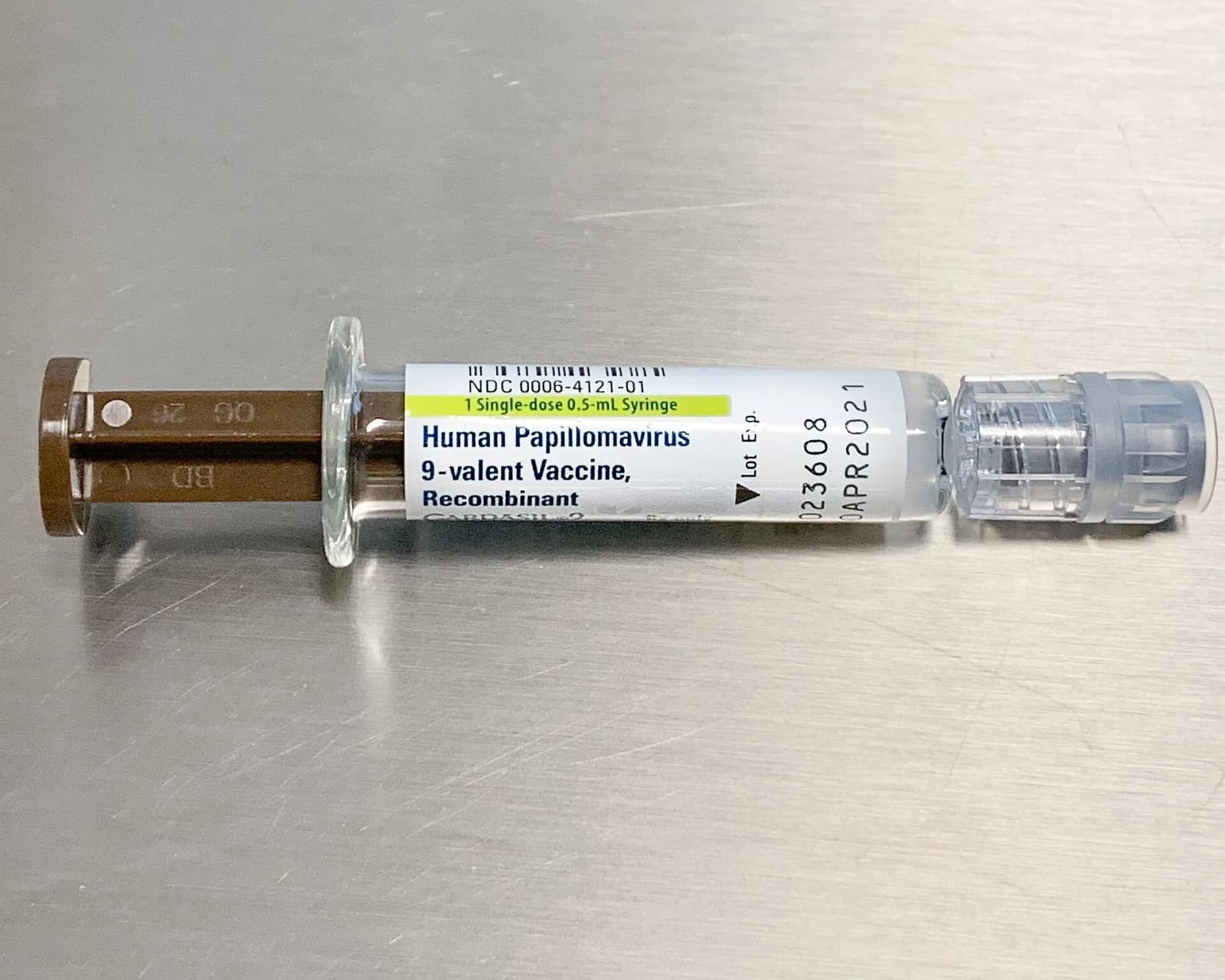
India has given more than one crore doses of the human papillomavirus (HPV) vaccine to 14-year-old girls in under nine months of its national campaign, the Union Ministry of Health and Family Welfare said in New Delhi on 23 November 2026. Prime Minister Narendra Modi called the figure a significant milestone for preventive healthcare, and the campaign has now reached nearly 87% of its yearly target group of about 1.2 crore girls.
What did the government announce?
The ministry announced that the National HPV Vaccination Campaign, which the Prime Minister launched in February 2026, has crossed one crore doses. In a release issued through the Press Information Bureau, it said the campaign offers a free, voluntary, single dose of the vaccine to 14-year-old girls at designated government health facilities, with consent from parents.
In a message on X on 23 November, Mr Modi said every dose was a step towards protecting girls from cervical cancer and praised everyone involved in the effort. Vice-President C. P. Radhakrishnan had also hailed the figure a day earlier, crediting the health ministry, state governments and health workers. Union Health Minister J. P. Nadda said the government would keep working to reach every eligible girl. The World Health Organization's South-East Asia regional office also congratulated India on crossing 10 million doses.
Which states are ahead?
According to the ministry, six states have covered all of their identified target population: Gujarat, Uttar Pradesh, Andhra Pradesh, Mizoram, Madhya Pradesh and Bihar. Twelve states have crossed 80% coverage.
- Assam is at 95.63%, Telangana at 95.28%, Karnataka at 93.16% and Uttarakhand at 90.17%.
- Chhattisgarh has reached 86.21% and Rajasthan 85.23%.
- Kerala stands at 77.02%, Tamil Nadu at 76.12% and Odisha at 74.90%.
- Dadra and Nagar Haveli and Daman and Diu has reached 72.99%.
By numbers, Uttar Pradesh has vaccinated the most girls, more than 29.33 lakh, followed by Bihar with over 13.70 lakh and Gujarat with over 7.75 lakh, the release said. It added that state-run programmes in Bihar, Tamil Nadu and Sikkim have been merged into the national campaign.
Why does HPV vaccination matter?
HPV vaccination matters because long-lasting infection with certain high-risk types of the virus causes most cases of cervical cancer, the ministry said. It described the vaccine as one of the most effective ways to prevent such infections, and said more than 800 million doses have been given around the world. The ministry said giving the shot at 14 aims to protect girls well before they could be exposed to the virus.
How are safety and tracking handled?
According to the ministry, vaccination sessions are held at government facilities under trained medical officers, and every site is linked to a round-the-clock health centre so that any rare adverse event after immunisation can be checked and treated quickly. It said it continues to stress clear communication, scientific evidence and informed consent from parents.
The campaign uses the U-WIN digital platform to track beneficiaries in real time, keep digital vaccination records and spot districts and girls that have been missed. Parents can book a vaccination slot for their daughters on U-WIN and download a digital certificate, the release said. Teachers, ASHA workers, auxiliary nurse midwives, paediatricians, gynaecologists and specialists from institutions such as AIIMS have been involved in talking to parents and answering their concerns.
What happens next?
About 13% of the year's target group is still to be covered, and several large states remain below 80%. The ministry said it will keep working with states, district administrations, doctors, frontline workers, schools and communities to close these gaps. Parents and guardians can contact the nearest designated government health facility or use U-WIN for information and bookings.
Read the full Hindi version of the ministry's release for the complete state-wise details.
Photo source · Ted Eytan, CC BY-SA 2.0