This is a MapMyTimes opinion piece. It responds to the coliform contamination found in borewells in Ashoka Colony, in Bhopal's old city in Madhya Pradesh, where the Bhopal Municipal Corporation (BMC) found total coliform bacteria in samples taken on Saturday, 21 November 2026, and then shut the colony's borewells. MapMyTimes reported the closure as news.
What happened in Ashoka Colony?
All six borewell samples the BMC tested came back positive for total coliform, according to a Free Press Journal report published on 22 November. The colony has about a dozen borewells; the six that failed were sealed and the rest were closed as a precaution. The civic body sent water tankers, told residents not to use the water, went back on Sunday to collect samples from homes, and issued notices to three builders whose multi-storey buildings were supplied from borewells. No illness had been reported in that account.
Officials quoted in the report suspect that sewage-laden water from nearby ponds is seeping into the ground. One of them, Nawab Siddiq Hasan Khan Talab, has allegedly received hospital sewage for a long time, and the BMC's water works department said it would send notices to more than 25 hospitals opposite Motiya Talab asking how they dispose of sewage.
Our view: the quick response was right; now make it routine and public
The BMC deserves credit for acting within a day: closing every borewell, not only the six that failed, and sending tankers rather than leaving families to guess. That is how a precautionary response should look.
But a crisis response is not a water-safety system. Three gaps stand out.
First, private borewells that serve whole buildings need scheduled testing. In Ashoka Colony, borewells were the supply for multi-storey buildings, which means one bore can serve many households. Such shared sources should be sampled on a fixed calendar, with the builder or residents' association responsible for showing a recent result, rather than being checked only after something goes wrong.
Second, results should be published. Residents learnt about the contamination through notices, posters and news reports. The BMC should put the results of the household sampling it began on Sunday online, colony by colony, with the date and the test performed. As MapMyTimes reported, a positive total coliform test points to possible sewage contamination but is not on its own a test for E. coli; publishing which tests were done, and their results, would replace rumour with information.
Third, the source has to be fixed, not just the symptom. Closing borewells protects people today. If sewage from homes and hospitals is reaching ponds and then groundwater, as officials suspect, the notices to hospitals near Motiya Talab must lead to inspections with findings made public, and to action where violations are found, as the BMC itself has said.
The strongest objection
There is a fair counter-argument. Many households and builders rely on borewells because they need water that piped supply does not reliably provide, and mandatory testing adds cost and paperwork for residents who did not create the pollution. Shutting borewells and handing out notices can also feel like punishing the people who are themselves at risk, while the suspected polluters, upstream sewage flows, take longer to tackle.
That objection deserves an answer rather than dismissal. Testing for shared sources can be offered by the civic body at a low or no fee, with the cost of the first round borne publicly. And the order of enforcement matters: the inspections of hospitals and sewage outflows should move as fast as the closure of residents' borewells did.
What should happen next
The BMC has not said when the borewells will reopen or what result will be needed before they do. It should publish a clear reopening standard, share the household test results, and report back on the hospital notices within a fixed period. If the cause is confirmed as seepage from the ponds, the fix will take engineering and money, and residents deserve a timeline.
Ashoka Colony was lucky that the problem was found in a test, not in a hospital ward. Bhopal should turn that luck into a rule: test shared groundwater regularly, publish what is found, and trace contamination to its source.
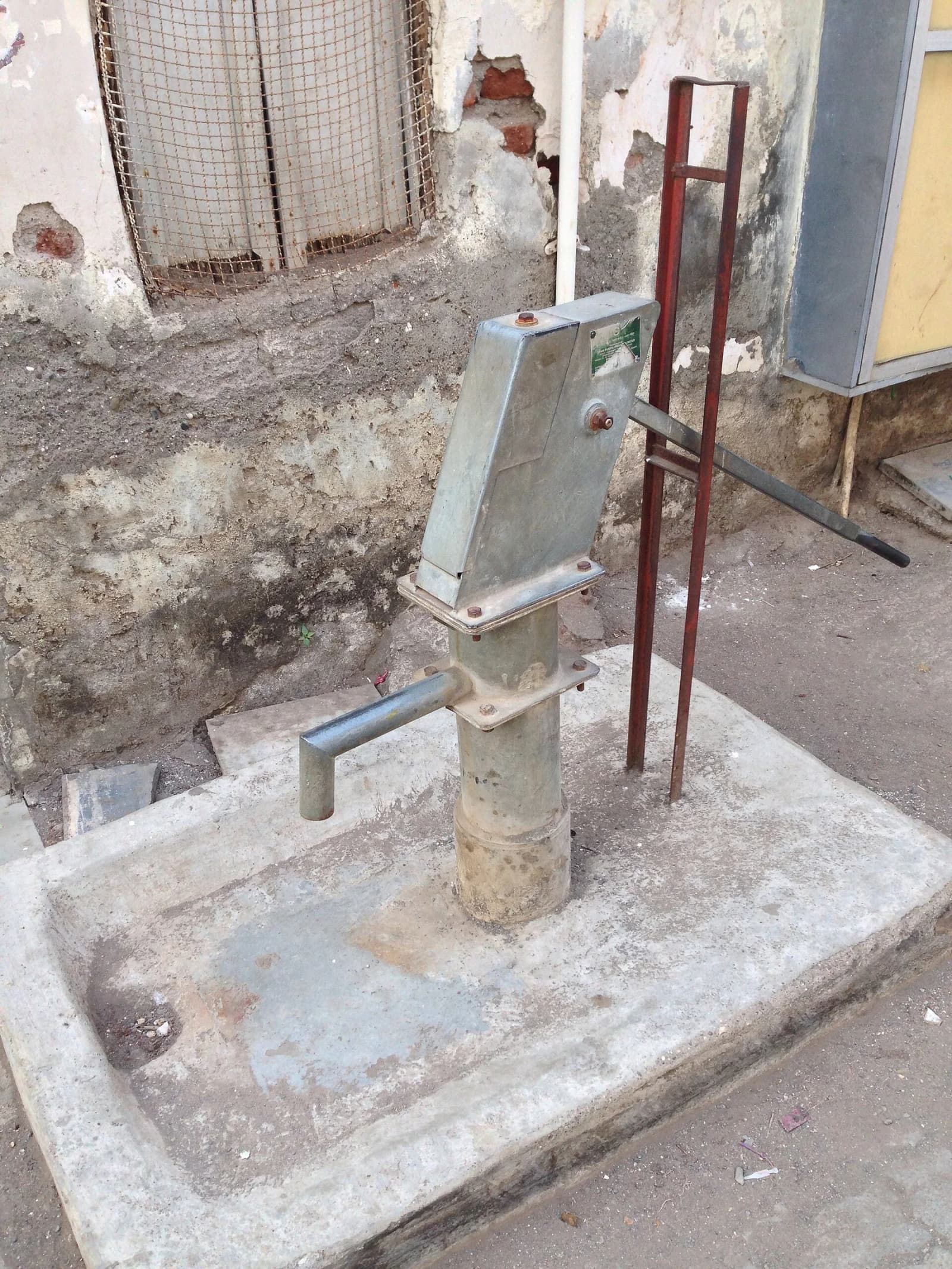
Photo source · Hyderabaduser, CC BY-SA 3.0