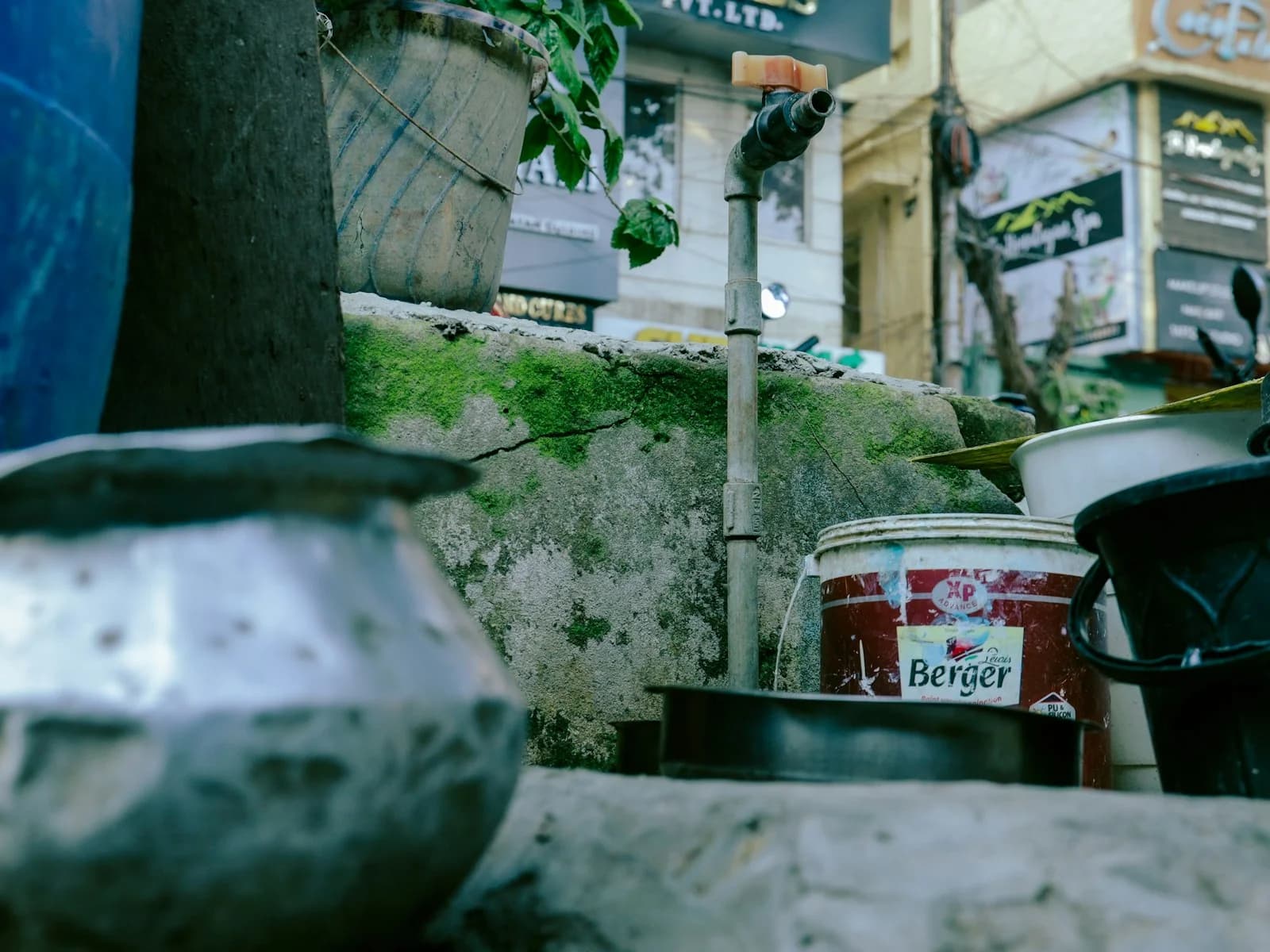
The Bhopal Municipal Corporation (BMC) has shut all borewells in Ashoka Colony, in the old city of Bhopal, Madhya Pradesh, after water samples from six private borewells tested positive for total coliform bacteria on 21 November 2026. By 22 November the civic body had also closed the colony's remaining borewells as a precaution, sent tankers to supply water, and begun testing household water to find out how far the contamination has spread, according to reports in the Free Press Journal and Amar Ujala.
What did the tests find?
Samples from six private borewells in Ashoka Colony, in Ward 9 near Noor Mahal and the Bagh Munshi Hussain Khan pond, showed total coliform bacteria. These borewells supplied water to five multi-storey residential buildings and to nearby houses.
BMC Superintending Engineer Udit Garg told the Free Press Journal that water from a private borewell in the colony had been found contaminated, that total coliform had been detected, and that notices had been issued to the parties concerned.
A positive total coliform test points to possible sewage contamination, but on its own it does not confirm the presence of E. coli; a separate test is needed for that, Amar Ujala noted.
What has the civic body done?
- Shut the six contaminated borewells on 21 November, then closed the other six of the colony's roughly 12 borewells as a precaution.
- Put up warning posters in the buildings and advised residents not to use the water.
- Arranged tanker supply for affected families.
- Sent teams for door-to-door sampling of drinking water in the area and stepped up sampling across the city.
- Issued notices to builders of multi-storey buildings that were supplying borewell water.
No illness linked to the water had been officially reported, the Free Press Journal said, though some families went to hospitals for check-ups and some moved out temporarily.
Why were buildings using borewells?
Officials said the area already has a municipal supply network fed by the Idgah Hills filtration plant. According to them, builders of the multi-storey buildings avoided taking the mandatory bulk water connections to escape connection charges and relied on private borewells instead, despite being asked repeatedly to switch to municipal supply.
Where could the contamination be coming from?
Officials suspect that sewage-laden water from nearby ponds is seeping into the ground. The Bagh Munshi Hussain Khan pond receives sewage and wastewater from nearby homes and hospitals, the reports said, and the Nawab Siddiq Hasan Khan pond is alleged to have received hospital sewage for a long time. The BMC's water works department said it will send notices to more than 25 hospitals located opposite Motiya Talab asking for details of how they dispose of sewage, and will act against any found discharging untreated waste.
Why it matters
The scare comes months after the BMC decided in May 2026 to stop relying on groundwater for drinking supply. The Hitavada reported then that the corporation would permanently shut 111 of its 247 tube wells, citing the deaths caused by sewage-contaminated water in Indore's Bhagirathpura area in January 2026. Those closures covered the corporation's own tube wells; the Ashoka Colony borewells were privately run.
What happens next
The results of household and groundwater sampling will show whether the contamination goes beyond the six borewells. The BMC has not said when, or whether, the borewells will be reopened, and the source of contamination has not been confirmed.