Union Minister for New and Renewable Energy Pralhad Joshi said on 13 November 2026 that renewable energy agreements signed at the 31st CII Partnership Summit in Visakhapatnam add up to investments of ₹43,871 crore. He said they could create jobs for about 4,700 people.
Joshi spoke at a summit session titled "Securing the Sustainable Future: Energy Resilience, Clean Technologies, and Global Partnership". The figures come from a release issued by his ministry through the Press Information Bureau (PIB).
17 MoUs and three government orders
According to the ministry, the commitments in the renewable energy sector include 17 memoranda of understanding (MoUs) and three government orders exchanged at the summit. Joshi said they showed that India and Andhra Pradesh were "walking the talk" on clean energy and sustainable growth.
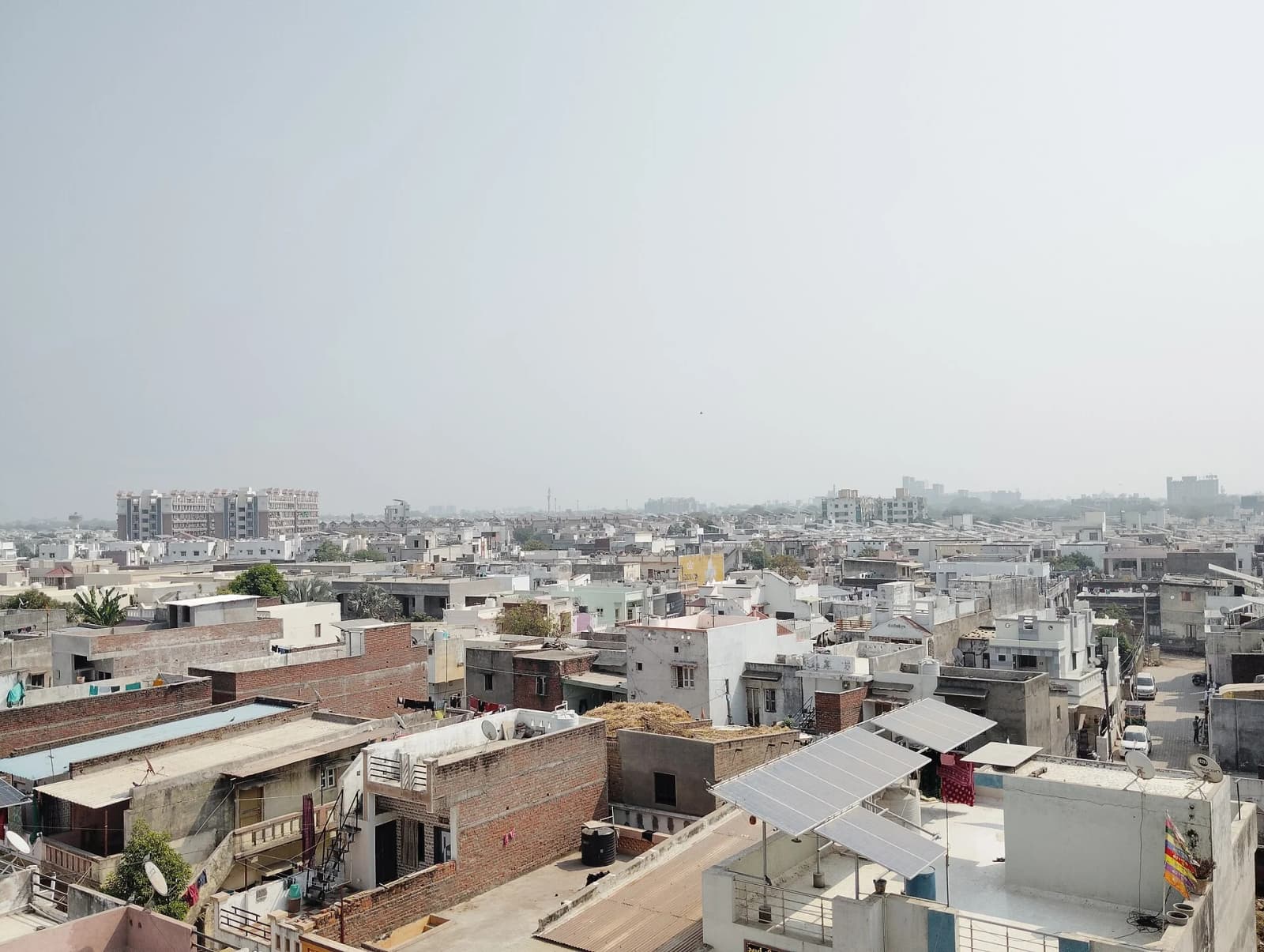
He called Andhra Pradesh a rising renewable energy hub. He also pointed to the scale of rooftop solar in the state, where 7.86 lakh households have been connected.
Rooftop solar and grid demand
Turning to the national picture, the minister said 66 lakh households have benefited so far under the PM Surya Ghar Muft Bijli Yojana, against an initial target of one crore. He said installations had sped up sharply. The first one lakh installations took 118 days, while the average is now six days, and the ministry wants to bring it down to five days soon. According to Joshi, farmers and households are not only getting zero electricity bills but also earning from the extra power they generate.
On energy security, Joshi compared today's grid with 2012, when a major grid failure left north India without power for nearly 72 hours. Peak demand then was 123 GW. He said demand recently touched 270 GW and was met without interruption, with nearly 33% supplied by non-fossil sources.
On track for 500 GW, says minister
Joshi said India's solar capacity has grown from 2.8 GW in 2014 to 175 GW today. He added that non-fossil sources now make up about 55% of the country's total installed power capacity, which he said puts India firmly on course for its target of 500 GW of non-fossil capacity by 2030.
He repeated Prime Minister Narendra Modi's call for "Zero Defect, Zero Effect" manufacturing. He argued that green energy would help India become a global hub for green manufacturing and give Indian products a strong edge in world markets. He also described India and Andhra Pradesh as a safe place to invest, citing political stability, consistent policy and strong execution.
What comes next
The minister referred to the upcoming PM-KUSUM 2 scheme. He said it would take the solarisation of farm equipment and pumps further. The ministry's release did not give a launch date or budget for the scheme. How many of the 17 MoUs turn into projects on the ground, and how quickly, will be the next thing to watch.
PS · Nizil Shah, CC BY-SA 4.0