Pakistan's National Institute of Health (NIH) has issued nationwide advisories on seasonal influenza, smog and vaccine-preventable diseases, warning that falling temperatures and shifting disease patterns could raise the risk of respiratory and cardiovascular illness this winter. The advisories were issued from Islamabad on Saturday, 21 November 2026, through the institute's Centre for Disease Control, according to reports published on 22 November by The Express Tribune and The Nation.
The Express Tribune described the move as a nationwide winter health alert. The advisories call on the country's health system to strengthen disease surveillance, immunisation and healthcare preparedness as winter sets in.
What do the advisories cover?
The NIH issued three separate advisories, the reports said:
- prevention and control of seasonal influenza for the 2026-27 season;
- the health risks of smog and precautions against them;
- control measures for vaccine-preventable diseases.
The institute flagged measles, diphtheria, pertussis (whooping cough) and tetanus as continuing public health concerns, according to both newspapers.
What is the NIH asking authorities to do?
The advisories are addressed to federal and provincial health departments, hospitals, laboratories and other health authorities across Pakistan, which have been asked to act on them promptly, The Nation reported. The main recommendations listed in the reports are:
- stronger disease surveillance across the country;
- wider routine and catch-up immunisation to close vaccination gaps;
- early detection of suspected cases with prompt laboratory confirmation;
- standardised clinical management of patients;
- hospital preparedness for a possible rise in patient numbers;
- risk communication to make the public aware of preventive steps against seasonal infections and smog-related complications.
Why does this matter for people in the region?
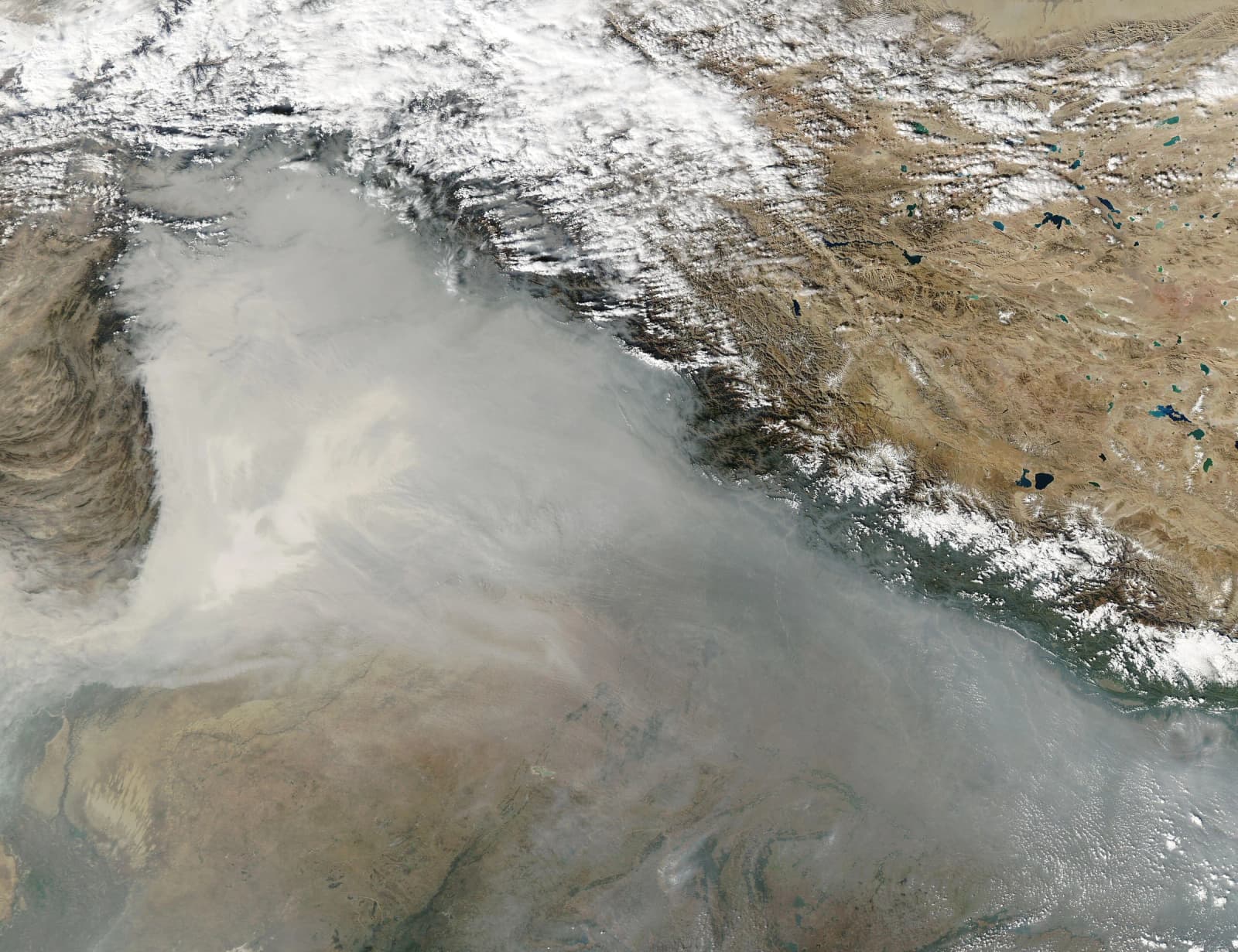
The NIH's warning links the cold season with a higher burden of respiratory and heart-related illness, and pairs it with smog, the seasonal haze that affects large parts of the region in winter. Neighbouring northern India faces a similar seasonal problem: on 22 November, Delhi's air quality stayed in the 'poor' category with GRAP Stage II curbs in force, MapMyTimes reported.
For individuals, the advisories as reported centre on prevention: vaccination, including catch-up doses for those who missed them, and early medical attention for suspected infections.
What is not yet known?
Neither report gave case counts, vaccination coverage targets or the names of officials, and the detailed smog precautions in the advisory were not spelt out in the coverage. The full advisory documents were not available on the NIH website at the time of writing.