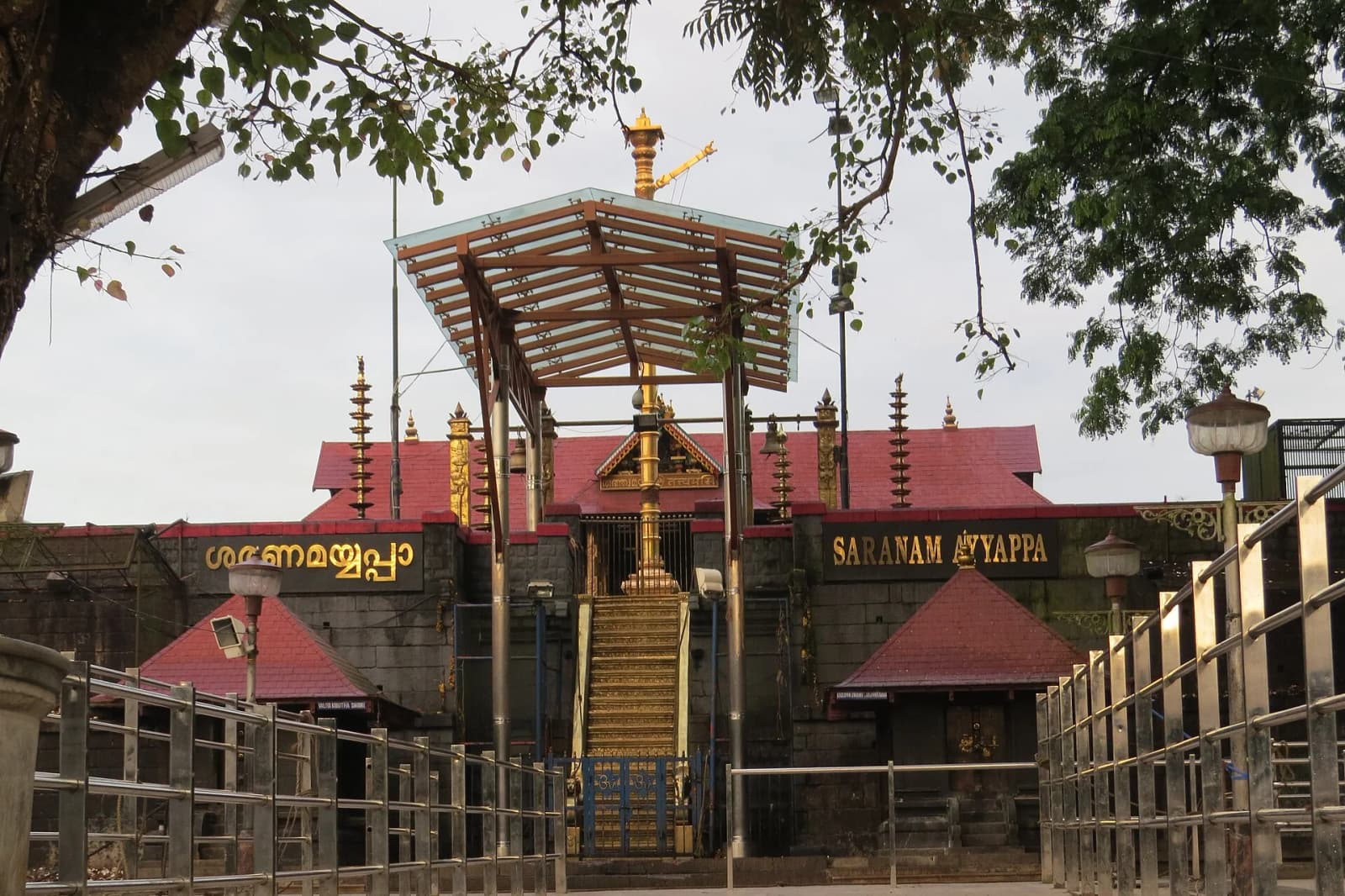
This is a MapMyTimes opinion piece. It responds to the cardiac safety guidelines that the Kerala Health Department issued for Sabarimala pilgrims on Sunday, 22 November 2026, which MapMyTimes reported the same day. The guidelines are sensible and overdue in their clarity. But a list of dos and don'ts, however good, places most of the burden on the pilgrim. The steep climb to the hill shrine in Pathanamthitta district needs a system that shares that burden.
What did the department say?
According to the department's statement, as reported by PTI, devotees with a history of heart disease should get a check-up and fitness clearance from a doctor before the pilgrimage, and those who have recently had a heart attack, heart surgery, angioplasty or heart failure should not undertake the trek without a specialist's advice. It asked pilgrims to climb according to their physical capacity, take frequent breaks, avoid pushing through crowds or running, and stop and seek help at once if they feel chest pain or breathlessness. It listed warning signs, from chest heaviness and sweating to pain spreading to the arm, jaw or back, and a helpline, 04735 203232.
That is useful public information. The question is what happens to the pilgrim who has never had a heart check-up, does not know the advisory exists, or feels the first warning sign halfway up the hill and decides to keep going.
Why does this matter?
It matters because the numbers from the last season show both how real the risk is and how much a quick response helps. A state government release reported by PTI in December 2025 said that during the then-ongoing season, 103 heart attack cases had been reported and 81 patients successfully treated, while 6 of 25 people who suffered cardiac arrest were saved. The same release counted 22 emergency medical centres, 17 of them on the trekking route from Pampa to Sannidhanam.
The gap between those two survival figures is the argument for investing in the first few minutes. For this season, Onmanorama has reported that most cardiac emergencies occur on the uphill trek from Pampa to Sannidhanam, that cardiology centres are operating at Neelimala and Appachimedu, and that a 120-member crew is offering CPR and stretcher support, with patients moved on to Kottayam Medical College Hospital after first aid. These are good foundations. The guidelines should be the front door to them, not a substitute.
What should change?
Three steps would turn advice into protection. First, offer simple, voluntary health checks at the base of the climb, so a pilgrim who has never been screened can at least have blood pressure measured and speak to a health worker before setting out. The department's own advice to get "fitness clearance" assumes access to a doctor that not every pilgrim will have had before leaving home.
Second, take the warning signs to where pilgrims actually are: on the route itself, at rest points and in queues, in the languages pilgrims speak. A helpline number is only useful if people know when to call it.
Third, publish the season's emergency figures at regular intervals rather than in a single release. Regular numbers on cardiac cases, response times and outcomes would show where centres or trained responders are most needed, and would let the public judge whether the system is improving year on year.
What is the strongest case against this?
The strongest objection is practical. The route is crowded during the season, and any check at the base risks slowing the flow and creating bottlenecks that carry their own dangers. Some pilgrims may also see screening as an intrusion into a personal act of faith. And the department can fairly point out that it already runs a large network of centres, and that last season's figures show most heart attack patients who reached care were treated successfully. Resources spent on screening are resources not spent on ambulances or cardiology units.
These are serious points, which is why any check should be voluntary, quick and placed so that it does not hold up the queue. Nobody should be turned away from a pilgrimage by a blood pressure cuff. The aim is to give a pilgrim one honest moment of information before the hardest part of the journey, not to police devotion.
Where does this leave us?
Kerala has done the right thing by setting out clear cardiac guidance early in a season that runs until 19 January for darshan. The next step is to build that guidance into the pilgrimage itself, through voluntary checks, visible warnings on the path and open data. Pilgrims will keep making the climb. The state's job is to make sure that, if their heart falters on the way, help is already within reach.
Photo source · Vinayaraj, CC BY-SA 4.0