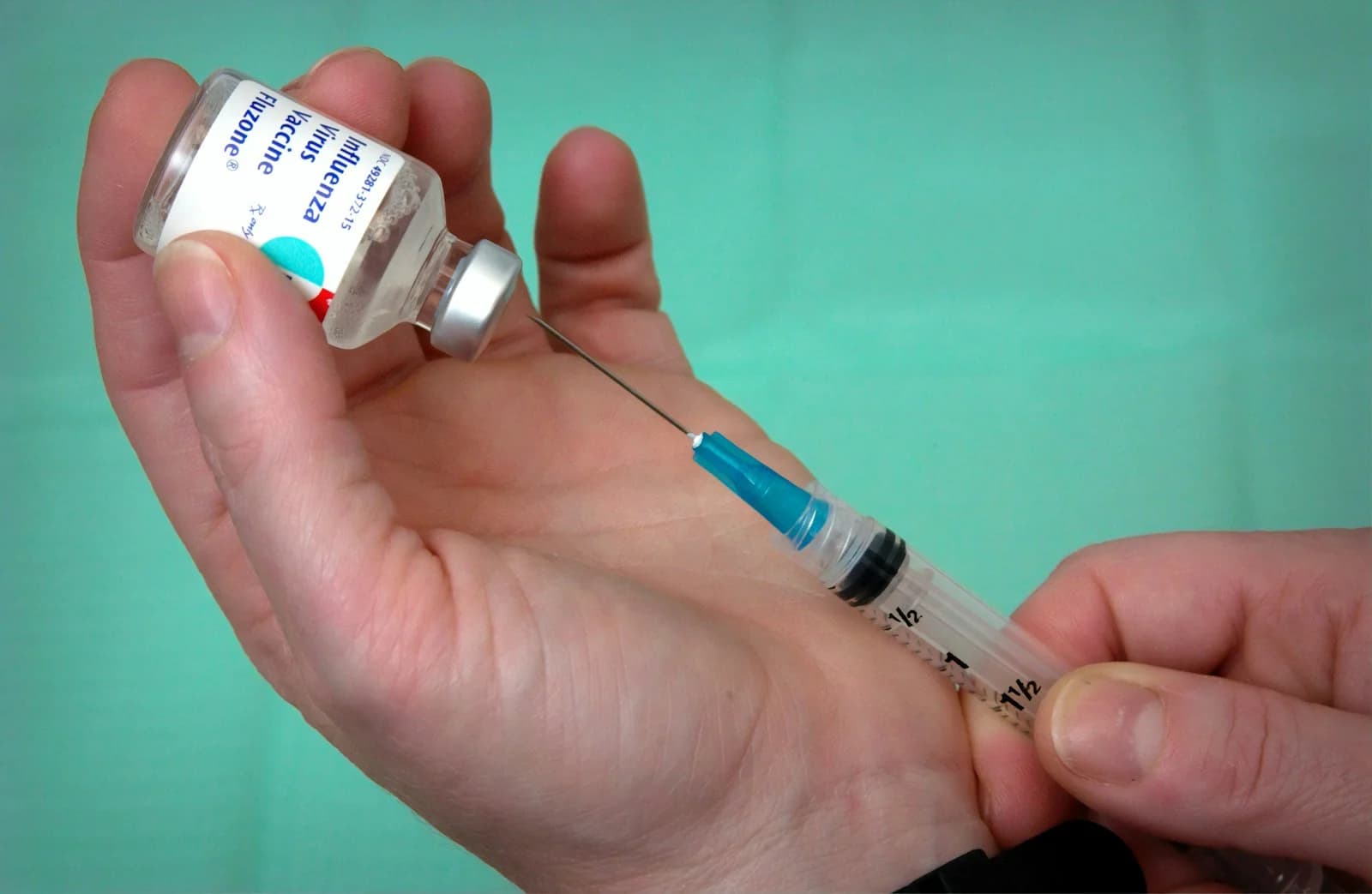
Pakistan's National Institute of Health (NIH) in Islamabad issued nationwide public health advisories on Saturday, 21 November 2026, warning that falling winter temperatures and shifting disease patterns could raise respiratory and cardiovascular risks. The advisories, issued through the NIH's Centre for Disease Control, cover seasonal influenza for 2026-27, the health hazards of smog, and the prevention and control of vaccine-preventable diseases, according to the state-run Associated Press of Pakistan (APP).
What did the NIH advisories say?
The NIH said the transmission of measles, diphtheria, pertussis (whooping cough) and tetanus remains a public health concern, APP reported. The advisories were sent to federal and provincial health departments, hospitals and laboratories, which were asked to act on them across the country without delay.
The recommendations include:
- strengthening routine and catch-up immunisation to close vaccination gaps;
- early detection of suspected cases and timely laboratory confirmation;
- standardised clinical management of patients;
- preparing hospitals for a possible rise in patient numbers;
- stronger public awareness and risk communication on preventing seasonal infections and smog-related complications.
APP quoted the advisories as urging authorities to strengthen "disease surveillance, vaccination and healthcare preparedness."
Who is most at risk from seasonal flu?
Older adults, children under five, pregnant women and people with diabetes, heart conditions or respiratory diseases face the greatest risk of serious influenza complications, the NIH's influenza advisory said, according to a report by 24NewsHD. The channel reported that NIH surveillance recorded 47,417 suspected influenza-like illness cases and 1,805 suspected severe acute respiratory infection cases in Week 41. It noted that these are suspected cases and should not be read as laboratory-confirmed influenza infections.
What gaps in vaccination did the NIH flag?
The NIH identified missed vaccine doses, inadequate immunisation coverage, improper vaccine storage and handling, and delayed diagnosis as key problems, 24NewsHD reported. It urged that children who had missed routine vaccinations receive the required doses without delay, and asked hospitals to diagnose suspected infections promptly and report them to the relevant authorities. Provincial health departments and facilities were asked to submit reports on the measures they take.
According to the same report, several diphtheria patients are being treated at the Pakistan Institute of Medical Sciences (PIMS) in Islamabad, and whooping cough cases have been reported in Islamabad and Rawalpindi.
What is confirmed and what is not?
Outlets differ on how many documents were issued. APP, Daily Times and The Express Tribune report three advisories, while 24NewsHD describes two, covering vaccine-preventable diseases and seasonal influenza. The advisory texts were not available on the NIH advisories page when MapMyTimes checked, so details here are based on these news reports. None of the reports listed specific steps the public should take against smog.
Why does it matter beyond Pakistan?
Winter respiratory illness and lapses in childhood immunisation are concerns in several countries this season. In England, health officials have urged parents to vaccinate toddlers, as MapMyTimes reported when only 37% of 2- and 3-year-olds had received a flu jab. In the United States, measles outbreaks have cost the country its elimination status, a development explained in this MapMyTimes explainer.
What happens next?
The NIH has asked health departments and hospitals to put the measures in place promptly and, according to 24NewsHD, to report back on the steps taken. Further updates on case numbers are likely to come through the NIH's regular disease surveillance reporting.