This is a MapMyTimes opinion piece. On 20 November 2026, a Supreme Court bench led by Chief Justice of India Surya Kant asked why an Enforcement Directorate (ED) appeal filed in 2023 had not been heard for nearly three years, despite the court's own orders to list it. The bench, which also included Justice Joymalya Bagchi and Justice V Mohana, ordered an inquiry into the lapse in New Delhi, as MapMyTimes reported. Our view is that the court was right to say this in open court. The next step is to put the answer in public and fix the system so that a judicial order to list a case is actually carried out.
What went wrong
The facts, as reported by legal news outlets, are simple. The ED challenged an anticipatory bail order of the Punjab and Haryana High Court in May 2023. The Supreme Court issued notice in September 2023 and later passed more than one order directing that the case be listed again, including for final hearing, Bar and Bench reported. It was not effectively taken up until this week.
"Why has this matter not been listed?" the Chief Justice asked, going through September 2023, 2024, 2025 and 2026. When it was suggested that benches might not have been available, he replied that all benches were available. Justice Bagchi called it "institutional lethargy." According to LiveLaw, the court directed its Secretary General to conduct a fact-finding inquiry and submit a report.
By the time the case was heard, the trial had moved on and eight witnesses had been examined. The bench declined to entertain the appeal and left the bail undisturbed. Whatever one thinks of the ED's case, the agency's challenge was decided by the calendar, not by argument. That should worry anyone who goes to court, whether they are a government agency or a private citizen.
Why this matters beyond one case
Listing is the point at which a case actually reaches a judge. If a direction to list can sit unexecuted for three years in the country's highest court, ordinary litigants have reason to ask whether their own files are moving. The ED had senior counsel and the resources of the Union government. Many people who approach the court have neither.
This is also not the first time the Chief Justice has spoken about the Registry. LiveLaw's coverage of this hearing links to earlier reports of Chief Justice Kant criticising its functioning, including one in which he said the Registry's working needed a deeper probe. A pattern of complaints is a reason to treat this as a systems question, not only as one officer's mistake.
The strongest case on the other side
It is fair to say that the Registry is not the only party responsible. In court, Senior Advocate Siddharth Dave, who appeared for the respondent, suggested that benches change and that lawyers often have to push for listing. The Chief Justice himself asked, "Nobody mentioned it?" That points to a shared responsibility: the ED, as the appellant, also had an interest in pressing for a hearing and could have mentioned the matter.
There is also a risk of judging an entire administrative wing by one file. The Registry handles listing for every bench of the court, and a public rebuke can lower staff morale without fixing the processes that failed. Those concerns deserve weight. But they argue for better systems and shared checks, not for silence. A court order should not depend on a lawyer remembering to chase it.
What should happen now
First, the Secretary General's fact-finding report should be made public, with personal details protected where needed. The point is not to name and shame junior staff but to show where the process broke, whether in software, in manual handling, or in how bench changes are tracked.
Second, any matter in which a bench has directed listing should be tracked automatically, with an alert if it has not appeared on a cause list within a set period. That alert should reach both the Registry's senior officers and the advocates on record, so that responsibility is shared rather than blurred.
Third, the court could publish periodic figures on matters that remain unlisted after such directions. Transparency of this kind would let the Bar, litigants and the public see whether the problem is shrinking.
The Chief Justice's bench did something institutions rarely do: it questioned its own house in open court. That candour should be matched by follow-through. A Supreme Court that asks governments and lower courts to explain delay is best placed to lead by example when the delay is its own.
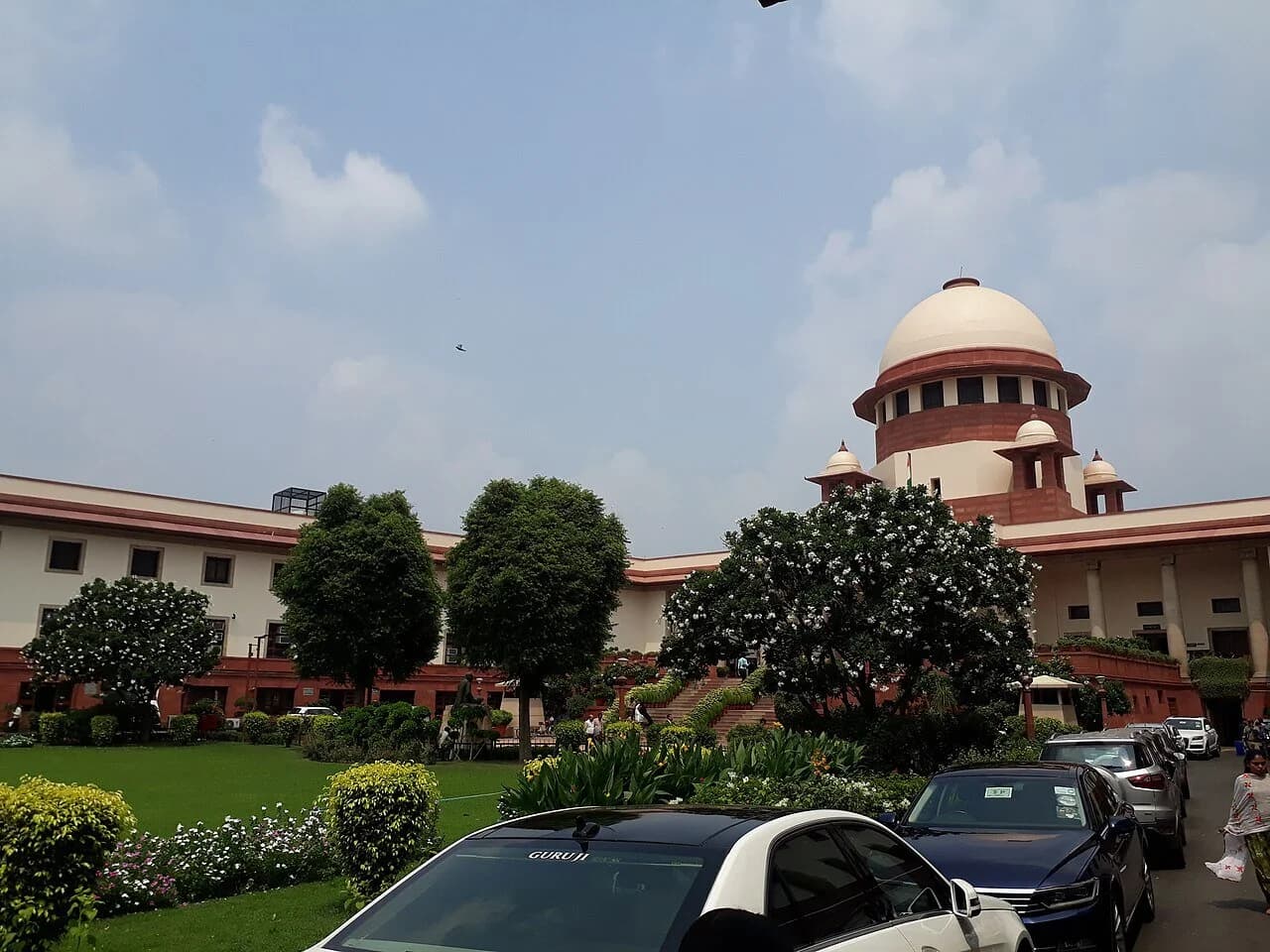
Photo source · Pinakpani, CC BY-SA 4.0