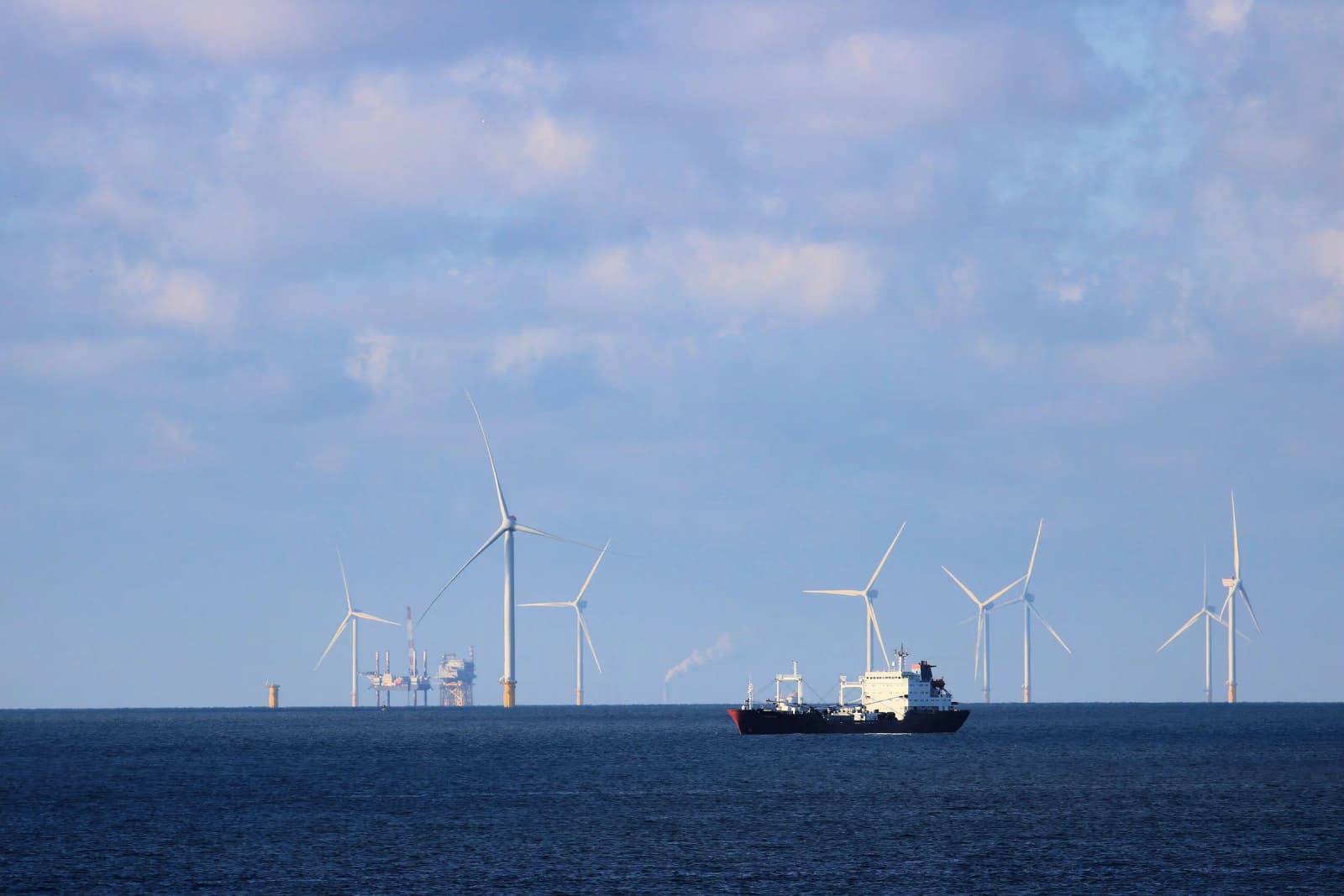
This is a MapMyTimes opinion piece, reflecting the editorial view of the MapMyTimes desk. On 26 November 2026, Iran's Islamic Revolutionary Guard Corps (IRGC) said two oil tankers had hit sea mines and caught fire north of Oman's Khasab port while crossing the Strait of Hormuz by what it called an unauthorised route, as MapMyTimes reported. The claim has not been independently confirmed. But for India, the lesson does not depend on whether every detail holds up.
What do we actually know?
Less than the headlines suggest. According to a Reuters report carried by Arab News, the Guards' statement, relayed by the semi-official Tasnim news agency, said one of the vessels was a supertanker carrying more than two million barrels of crude. The ships were not named. The UK Maritime Trade Operations agency separately reported an explosion caused by an unknown projectile near a tanker about 50 nautical miles west of Dubai the same day. Reuters noted that maritime security agencies usually report fewer incidents than the Guards do, and their accounts do not always match. What is not in doubt is intent: IRGC spokesman Hossein Mohebbi said the force was using heavy firepower to keep the strait closed.
Why does this matter to India?
Because a large share of India's energy still sails through that channel. Citing data from the analytics firm Kpler, Al Jazeera reported that India received about 13 percent of the 10.23 million barrels per day of Gulf crude that passed through the strait in October. In early November, an Iranian lawmaker, Amir Hayat Moqaddam, said ships from India, China, Iraq and Qatar could pass freely, with Tehran collecting transit fees from Indian and Chinese ships. The same report pointed out that more than 120 commercial ships have been hit in the region since the war began, and that such exemptions do not guarantee safety.
Markets have noticed. Trading Economics data show Brent crude rising above $96 a barrel on 26 November on renewed Middle East supply worries, and the rupee, which had touched an eight-month high on 25 November, weakening again in the days since. MapMyTimes reported it slipping to 92.62 per dollar in early trade on 27 November, with traders linking higher crude prices to concerns over tanker movement through Hormuz.
The case for calm
There is a serious argument that India should not overreact. The Ministry of Petroleum and Natural Gas told an inter-ministerial briefing in March that about 70 percent of India's crude imports were by then coming from outside the strait, and that the country buys crude from around 40 countries, according to All India Radio. Trading Economics also notes that Brent had fallen about 24 percent so far in November before this week's rebound. On this view, India has already diversified, its ships enjoy a negotiated exemption, and rushing into expensive emergency purchases on the strength of one unverified claim would waste public money. That argument deserves to be taken seriously.
Why a reprieve is not a strategy
Yet an exemption granted by one party to a conflict can be withdrawn by that party, and it does not bind the other. It also leaves Indian ships paying fees on a route that remains, in the Guards' own words, a place for heavy firepower. Sea mines do not check a ship's flag. And the human exposure is real: at the March briefing, the Ministry of Ports, Shipping and Waterways said 28 Indian-flagged vessels with 778 Indian seafarers were operating in the Persian Gulf, and the External Affairs Ministry said two Indian nationals had died after merchant vessels came under attack.
What should happen next
We would urge three practical steps. First, regular public updates: the government should share, at a steady interval, how much crude and gas is reaching India via Hormuz and how many Indian seafarers are in the Gulf, so that citizens and businesses plan on facts rather than rumours. Second, treat diversification as permanent policy rather than a crisis response, even if Gulf flows recover. Third, keep diplomatic channels open with all sides, so that safe passage for Indian crews does not hinge on a single arrangement. India has shown this year that it can adapt quickly. The test now is whether it builds that adaptability into habit before the next incident, rather than after it.
Photo source · ImagePerson, CC BY 4.0